


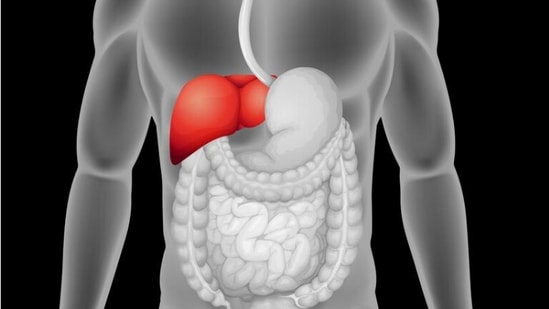
HT Health Talk: Bengaluru doctor reveals best diet and science-backed habits to reverse fatty liver
HT Health Talk: In an era where health information is often overwhelming and contradictory, HT Lifestyle has launched its newest reader-centric initiative: HT Health Talk. Every week, we invite HT readers to share their most pressing medical concerns regarding a specific health issue. We then take those ‘burning questions’ directly to the country’s leading medical specialists to provide you with clarity, comfort, and clinically-backed solutions. Also read | HT Health Talk: You asked, our experts answered how to manage migraine in summer
This week, we dive into liver health. The World Health Organization (WHO) and major global health bodies highlight fatty liver disease as a growing silent epidemic. According to recent global estimates (Clinical and Molecular Hepatology 2022), non-alcoholic fatty liver disease (NAFLD) is leading cause of liver disease worldwide, and affects 32 percent of adults worldwide, with higher rates in men (40 percent) than women (26 percent).
From dietary choices to lifestyle habits, HT readers reached out with a flurry of concerns about liver health. To provide expert insight, we tapped Dr Sonal Asthana, lead consultant, HPB and liver transplant surgery, Aster CMI Hospital, Bengaluru.
With 20 years of experience, Dr Asthana breaks down your most frequent queries:
1. Can fatty liver be reversed?
Yes, fatty liver can often be reversed, especially in the early stages. It mainly depends on making healthy lifestyle changes and following them regularly. Losing extra weight is one of the most important steps, as even a small weight loss can reduce fat in the liver. Eating a balanced diet with more fruits, vegetables, whole grains, and less oily or sugary food helps improve liver health. Regular exercise, like walking for 30 minutes daily, also supports recovery. Avoiding alcohol and reducing processed foods is very important. Managing conditions like diabetes and cholesterol also helps. With consistent care, the liver can heal and function normally again.
2. What are good foods for the liver?
Good foods for the liver are those that help clean, protect, and support its function. Leafy green vegetables like spinach and cabbage help remove toxins from the body. Fruits like apple, papaya, and berries are rich in antioxidants and support liver health. Garlic and turmeric are very helpful because they reduce inflammation and improve liver function. Whole grains like brown rice and oats help in better digestion and reduce fat buildup. Nuts like walnuts provide healthy fats that are good for the liver. Drinking green tea can also support liver health. Using healthy oils in small amounts and drinking enough water daily helps keep the liver clean and healthy.
3. What are some causes of liver disease?
Liver disease can happen due to many different reasons. One common cause is drinking too much alcohol, which can damage liver cells over time. Another major cause is viral infections like hepatitis, which affect how the liver works. Eating too much unhealthy food, especially oily and sugary items, can lead to fat buildup in the liver. Obesity and lack of exercise also increase the risk. Certain medicines, if taken for a long time without proper guidance, can harm the liver. High cholesterol and diabetes can also affect liver health. In simple words, unhealthy habits, infections, and medical conditions are common causes of liver disease.
4. How can liver cirrhosis occur without hepatitis or alcohol consumption?
Liver cirrhosis can happen even without hepatitis or alcohol use due to other health conditions and lifestyle factors. One common cause is non-alcoholic fatty liver disease, where fat builds up in the liver and slowly causes damage. Over time, this can lead to scarring of the liver. Long-term conditions like diabetes, obesity, and high cholesterol also increase the risk. Certain genetic disorders can affect how the liver processes iron or copper, leading to damage. Some autoimmune diseases can make the body attack the liver by mistake. Long-term use of certain medicines or exposure to toxins can also harm the liver. All these can slowly lead to cirrhosis.
5. What are the signs that your liver health is not good?
Signs that your liver health is not good can be mild at first but may become serious over time. Common signs include feeling very tired and weak without a clear reason. Loss of appetite and sudden weight loss can also happen. Some people may feel pain or discomfort in the upper right side of the stomach. Yellowing of the skin and eyes, known as jaundice, is an important warning sign. Dark urine and pale stools can also indicate a liver problem. Swelling in the legs or abdomen may occur in later stages. Frequent nausea, itching, and easy bruising are other signs. If these symptoms appear, it is important to consult a doctor early.
6. If it’s the start of fatty liver, how can we stop it from growing?
If fatty liver is in the early stage, it can often be controlled and even reversed with simple lifestyle changes. The most important step is to lose extra weight in a healthy way, as this helps reduce fat in the liver. Eating a balanced diet with less oily, fried, and sugary foods is very helpful. Include more fruits, vegetables, and whole grains in your meals. Regular exercise, like walking or light workouts for at least 30 minutes daily, can improve liver health. Avoid alcohol completely, as it can worsen the condition. Also, manage diabetes and cholesterol if present. With consistency, the liver can heal and stay healthy.
7. What is the difference between NAFLD and ASH?
The main difference between Non-Alcoholic Fatty Liver Disease and Alcoholic Steatohepatitis is their cause. NAFLD happens in people who drink little or no alcohol, and it is mainly linked to obesity, diabetes, and unhealthy eating habits. It means fat builds up in the liver without alcohol being the reason. ASH, on the other hand, is caused by heavy alcohol consumption and leads to inflammation and damage in the liver. Both conditions can lead to serious problems like liver scarring if not treated. In simple words, NAFLD is related to lifestyle and metabolism, while ASH is directly related to alcohol use.
8. Can thin people get fatty liver?
Yes, thin people can also get fatty liver. This condition is often called Lean Non-Alcoholic Fatty Liver Disease. It happens even if a person does not look overweight. The main reasons include poor diet, high sugar intake, lack of exercise, and genetic factors. Some thin people may have more fat stored inside the body, especially around the organs, which affects the liver. Conditions like diabetes, high cholesterol, and stress can also increase the risk. So, body weight alone does not decide liver health. Even thin people should eat healthy, stay active, and get regular check-ups to keep their liver healthy.
9. How much exercise is needed to manage fatty liver?
To manage fatty liver, regular exercise is very important. Aim for at least 30 minutes of moderate activity like brisk walking, cycling, or swimming on most days of the week, which means around 150 minutes per week. This level of activity helps reduce fat in the liver and improves overall health. You can also add simple strength exercises like light weight training or bodyweight exercises two to three times a week. Even small changes, like taking the stairs or walking more during the day, can help. The key is to stay consistent. Regular exercise, along with a healthy diet, can improve liver function and prevent the condition from getting worse.
10. Can I drink coffee with fatty liver?
Yes, you can drink coffee if you have fatty liver, and it may even be helpful. Studies show that coffee can protect the liver and reduce inflammation. It may also slow down liver damage and lower the risk of serious conditions like Liver Cirrhosis. Drinking 2 to 3 cups of plain coffee a day is generally considered safe for most people. However, avoid adding too much sugar, cream, or flavored syrups, as they can increase calories and harm your health. It is also important to listen to your body and not overconsume caffeine. In simple words, moderate coffee intake can support liver health when combined with a healthy lifestyle.
Note to readers: This article is for informational purposes only and not a substitute for professional medical advice. Always seek the advice of your doctor with any questions about a medical condition.
First Appeared on
Source link






