


Inside Trump’s decision to attack Iran and the scramble to contain the fallout
President Donald Trump’s war with Iran was only hours old, and already the plan had gone awry.
Spurred by fresh intelligence that the country’s 86-year-old supreme leader, Ali Khamenei, was meeting with his top officials on the morning of Feb. 28, the US and Israel had accelerated plans for an attack in hopes of wiping out the regime’s senior leadership all at once.
If it worked, officials calculated, the resulting power vacuum could be filled by a slate of lower-tier leaders they hoped would be open to ushering in a more US-friendly era in Iran.
The first strikes on targets across the country succeeded in killing Khamenei and other high-ranking aides. Yet as early reports trickled in, it became clear they’d created a new problem: All the candidates the administration had eyed to lead Iran had been wiped out too.
“Most of the people we had in mind are dead,” Trump acknowledged days later. “And now we have another group. They may be dead also, based on reports. So I guess you’ll have a third wave coming in. Pretty soon, we’re not going to know anybody.”
The broader-than-anticipated impact of the initial assault on Iran’s leadership marked the first of a series of gambles that has turned an operation the White House once envisioned as a focused, weekslong military campaign into an open-ended war that escalated beyond US control, with widening economic and political repercussions — and no clear exit strategy.
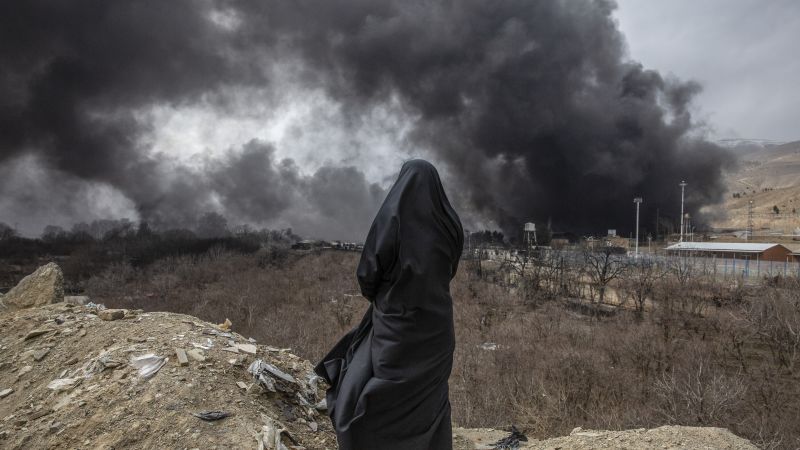
Instead of rapid collapse, the Iranian regime has consolidated control, and responded more aggressively than US officials expected, firing on targets across the Middle East, including oil tankers in the region. Iran has effectively halted the flow of oil through the Strait of Hormuz, sparking a global energy crisis that the administration is now struggling to contain.
Trump has continued to tout the war as a resounding success, seizing on the scale of the military operation and suggesting the US could declare victory at any moment. But two weeks in, the administration is no closer to articulating a defined strategy for finishing a conflict that has grown only more complicated by the day, according to interviews with more than a half-dozen people familiar with the internal deliberations.
Thirteen American service members have died thus far, and roughly 140 others have been wounded since the fighting began. Across the US, there is little indication in early polling that the public is on board with the idea of war.
That’s left US officials racing to plot the next stages of the operation, acutely aware of the history of American misadventures in the Middle East, but unsure as of yet how to avoid a similar fate.
This account of the first weeks of the war is drawn from interviews across the world, including current and former US officials, Trump advisers and allies, foreign officials, industry representatives, outside analysts and others familiar with the internal deliberations that have shaped the opening stages of the conflict.
In an interview, White House press secretary Karoline Leavitt rejected suggestions that Trump and his team were unprepared for any of the developments of the past 14 days, telling CNN that the president had been fully briefed on the various risks and determined that they were worth waging war on Iran.
Trump was specifically cautioned that the “most likely” outcome of killing Khamenei was that he would be replaced by another similarly hardline leader, she said, though officials went into the strikes holding out hope that they would result in a friendlier face atop the Iranian regime.
“That remains the hope and it was a possibility. But also the most likely outcome presented to the president — and he knew this — was a more hardline person being appointed by whatever was left of the regime,” Leavitt said.
Trump was similarly briefed on the potential for wider Iranian retaliation and the possibility they would shut down the Strait of Hormuz, she added. Trump was also advised that the Iranians were likely to use any measure to maintain power.
Yet, emboldened by prior military successes, he opted to forge ahead.
Trump had ordered the assassination of Iran’s then-top military official Qasem Soleimani in his first term and more recently the bombing of three Iranian nuclear sites last year.
Those actions prompted relatively little retaliation from Iran, reinforcing officials’ belief that the regime might not put up too strong a fight. The US and Israel, in the meantime, had made steady progress in eroding the threat posed by Iranian proxies in the region like Hamas and Hezbollah. When a wave of protests erupted across the country in January, leading to a brutal crackdown, it further convinced them that Iran’s leaders had grown weaker than ever.
Trump was also bolstered by the daring snatch-and-grab operation weeks earlier that ousted Venezuela’s leader and shifted relations with the oil-rich country overnight. Already frustrated by the plodding pace of talks with Iran over its nuclear program, he’d become increasingly enthusiastic about the prospect of another rapid military success.
‘Shock and awe times 10’
Senior Trump officials walked through the potential consequences of sparking a Middle East conflict, warning the president at multiple points that they could be unpredictable and far-reaching, people familiar with the deliberations said.
Yet amid efforts to limit Trump’s circle and cut down on the risk for leaks, the war-planning process was not as robust as normal, said one senior US official. The White House sharply downsized its National Security Council over the last year, undercutting the coordinating role that it’s typically played in gathering input from across the government and ensuring any key concerns or considerations don’t fall through the cracks.
“The NSC used to be the final synthesizer before going to deputy or principal meetings for approvals,” the senior US official said of the administration’s internal processes. “Without a real interagency process led by the NSC, the planning falls apart.”
Leavitt disputed that the NSC or the war-planning process has been weakened, pointing to the administration’s past successful military operations as evidence.
“The president doesn’t need layers and layers of bureaucrats providing papers to him to make foreign policy statements and decisions,” she said. “This is a president who leads based on facts and intelligence provided to him by his top team.”
As Trump leaned further in favor of strikes, those around him rushed to stay aligned, embracing the more optimistic projections that Iran could be quickly and decisively defeated, eliminating it as a threat in the region and opening the door to a popular uprising.
“It’s shock and awe times 10,” said one administration official, summing up the attitude heading into the first days of the attack. “This is something that those guys started 47 years ago” – referring to the revolution that put the current regime power – “so let’s go take care of it.”
In hindsight, some of the people familiar with the deliberations around the war later said, those heady first days may have marked the high point of the operation so far. Though the military offensive has been broadly successful, it failed to meet Trump and his team’s high hopes that it would cow the Iranian regime into submission or spur a mass surrender of the nation’s combat forces.
Instead, Iran’s leaders dug in. The regime quickly appointed a new hardline supreme leader — Khamenei’s son, Mojtaba Khamenei — who in a purported first message vowed revenge. Among the Iranian people, there are no immediate signs of rebellion, and as the death toll climbs, even some who supported the bombing as a last resort to end the regime have begun to second guess.
“I believed that killing Khamenei would end this all,” said one 47-year-old Iranian man, who told CNN he felt led astray by the idea the regime was fragile. “But I realize that these are zealots and that his martyrdom has only strengthened their fervor.”
Another Tehran resident, a 56-year-old woman, lamented the widespread damage the bombing is inflicting on the city. “It wasn’t supposed to be this way,” she told CNN. “They weren’t meant to hit schools or museums.”
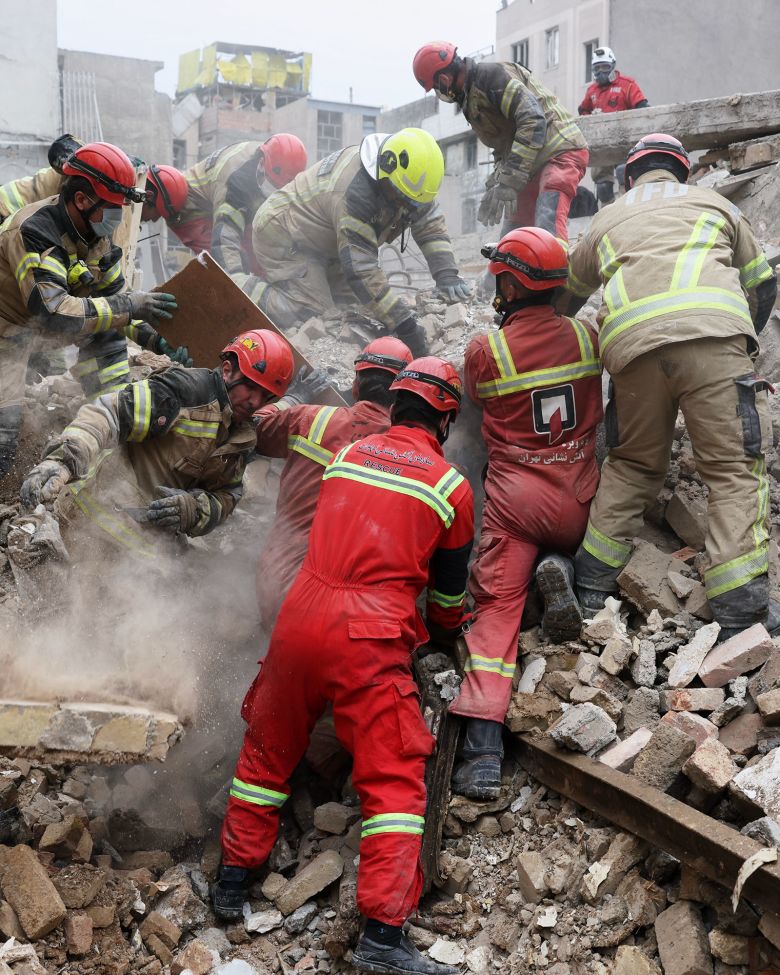
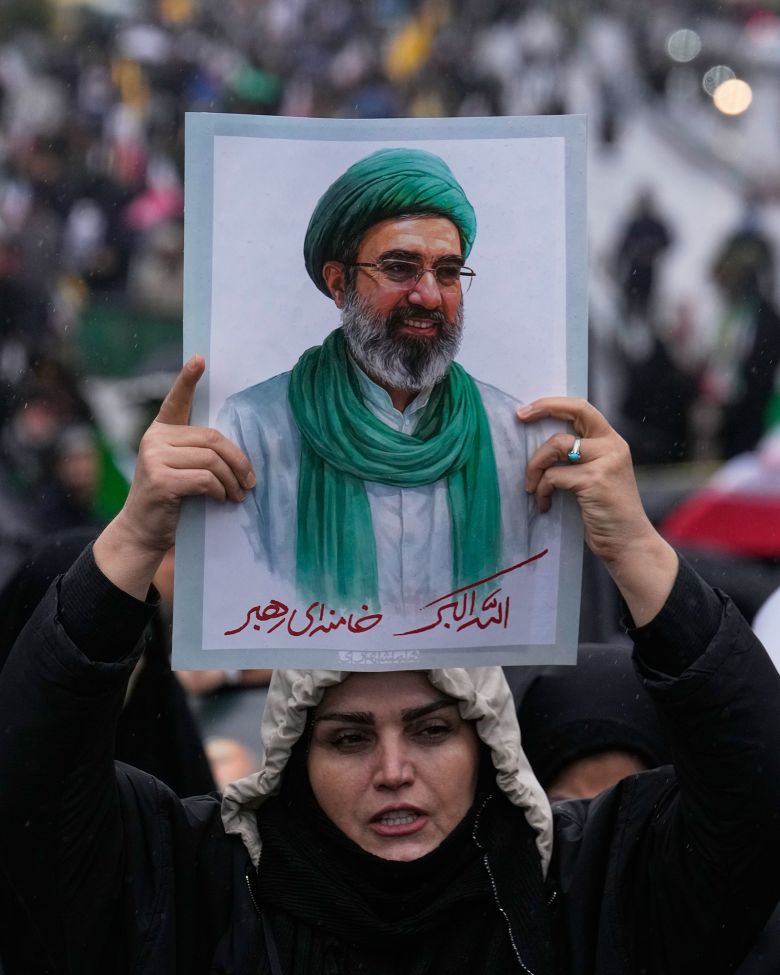
The Iranian regime has since launched repeated retaliatory strikes against a wide array of targets in the region, including in surrounding Arab countries that played no part in the attack and were unprepared for the subsequent fallout. Though Iran’s president initially apologized for striking “neighboring countries,” the attacks have continued.
Iran’s new Supreme Leader warned, in the statement attributed to him this week, that Gulf countries should sever their ties with the US in order to avoid future attacks.
The scale of that defiance sparked a scramble within the Trump administration, with officials working to build out lists of stranded Americans in real time and organize evacuations from the region.
It wasn’t until two days after the first US strikes that a senior State Department official warned Americans on X to “depart now” from over a dozen Middle Eastern countries — even though the majority of commercial flights had already been suspended. The State Department then established a 24/7 task force to assist US citizens in the region. But the recorded message on its helpline initially advised them not to rely “on the US government for assisted departure or evacuation at this time” — a recording that was later updated.
Trump administration officials have since insisted they have a firmer grip on the situation, and that after more than two-dozen charter flights and evacuating thousands of Americans, they are scaling options down due to lack of demand.
The State Department also chose not to draw down staff at most embassies across the region until after the war had begun, despite an expectation that Iran would retaliate against US assets in the region. It has since ordered non-emergency personnel to leave more than a half-dozen nearby nations and temporarily shuttered its embassy in Kuwait.
But the chaos of those first days only deepened alarm over the war among close foreign allies, lawmakers in Congress and a broader American public who had little advance notice of Trump’s plans — and no clear sense of the urgent need to plunge the US into another Middle East conflict.
During a White House visit last week, German Chancellor Friedrich Merz pressed Trump for a more specific endgame, but emerged dissatisfied. “We are particularly concerned that there is clearly no joint plan for bringing this war to a swift and convincing end,” he told reporters in Berlin a few days later.
There are few other signs of diplomatic efforts to end the conflict. While Pakistan has indicated in recent days it wants to play a bridge-building role, Iran has maintained that it is not interested in talks.
Among US allies in the region that are filled with expatriate residents, including American citizens, the conflict has upended lives and scrambled future plans. Universities suspended classes, while some American institutions moved students and faculty into hotels. Major global companies directed employees to work from home, and schools, including American ones, shifted to remote learning.
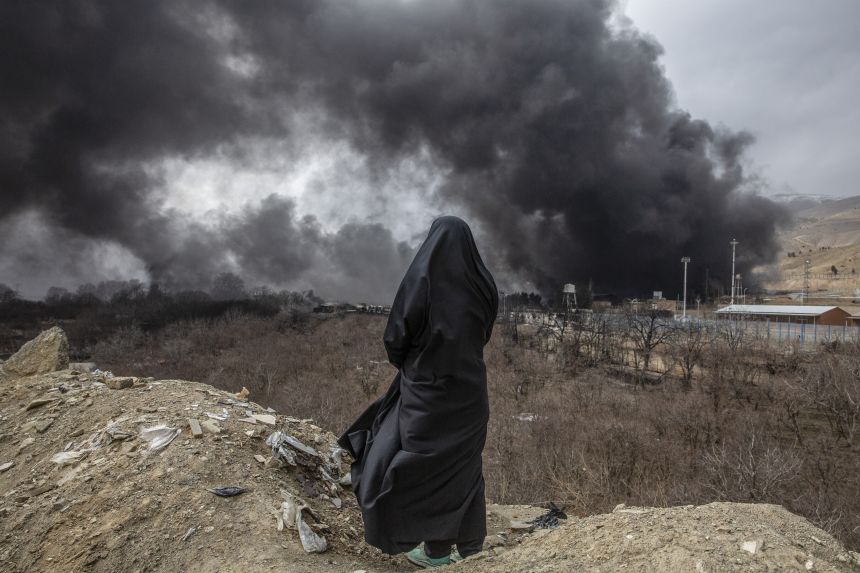
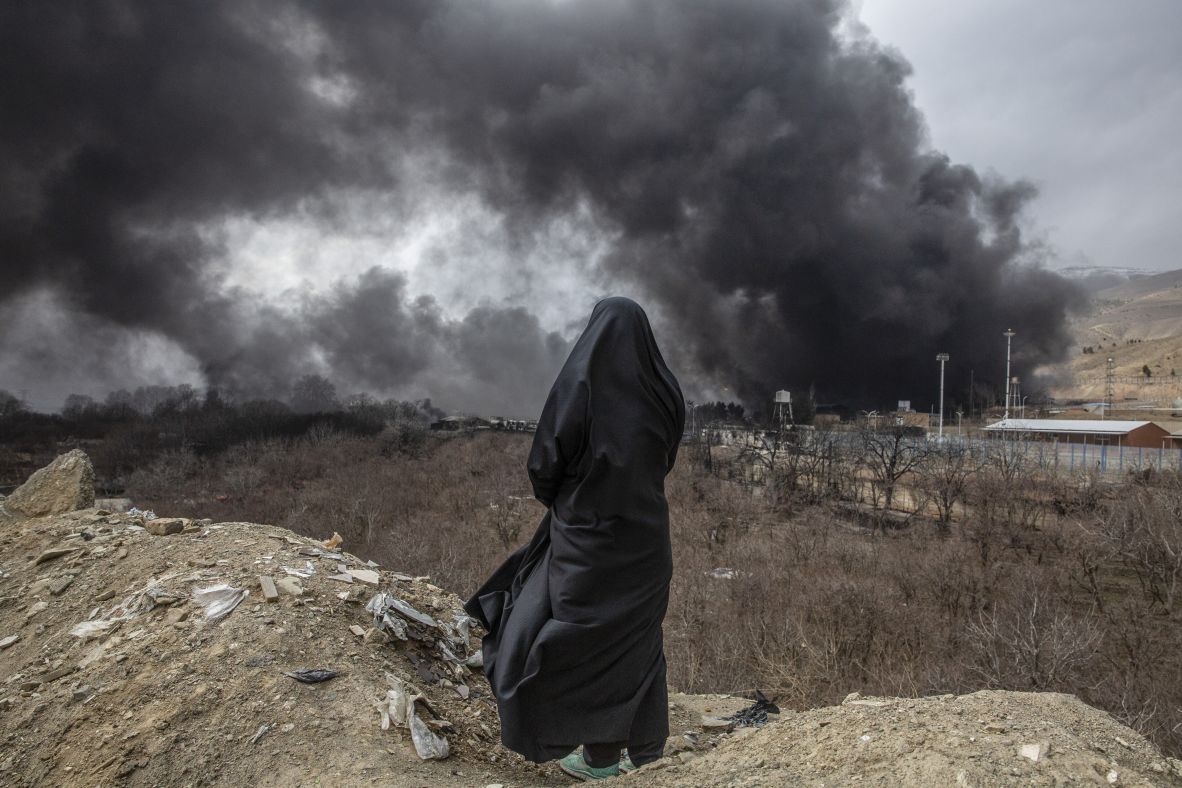
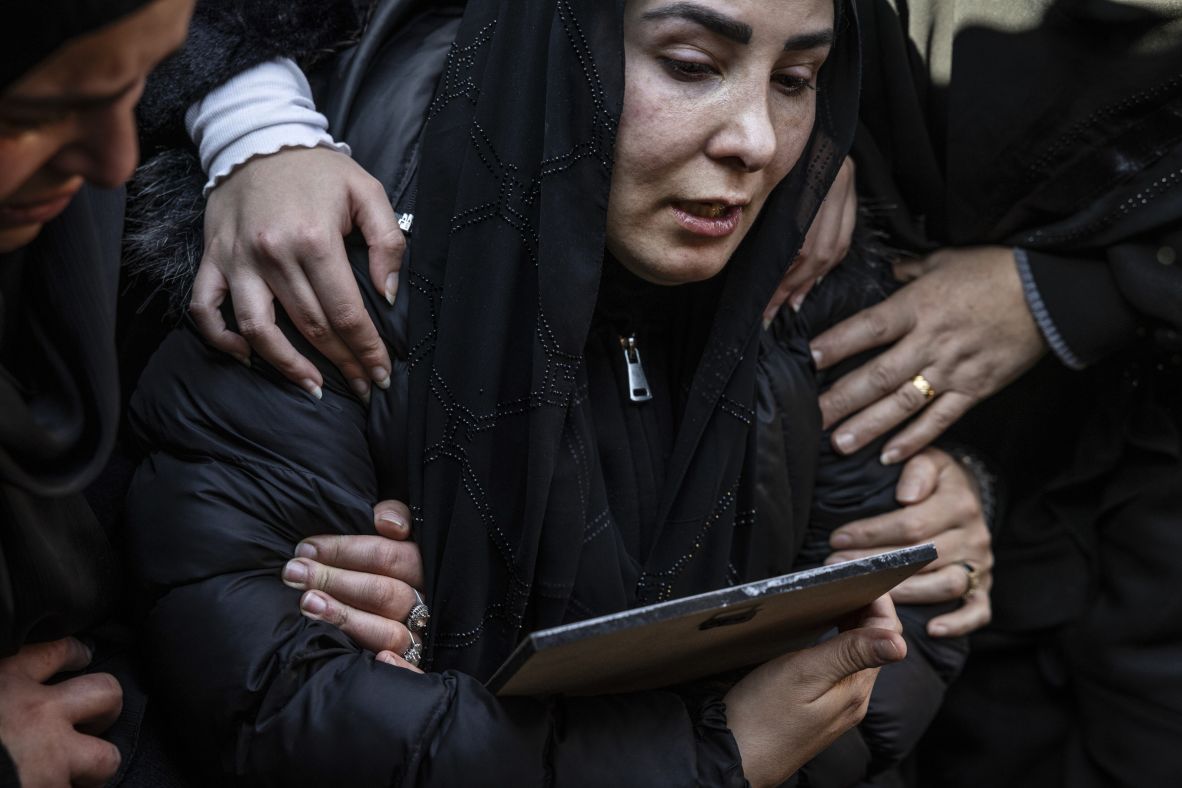
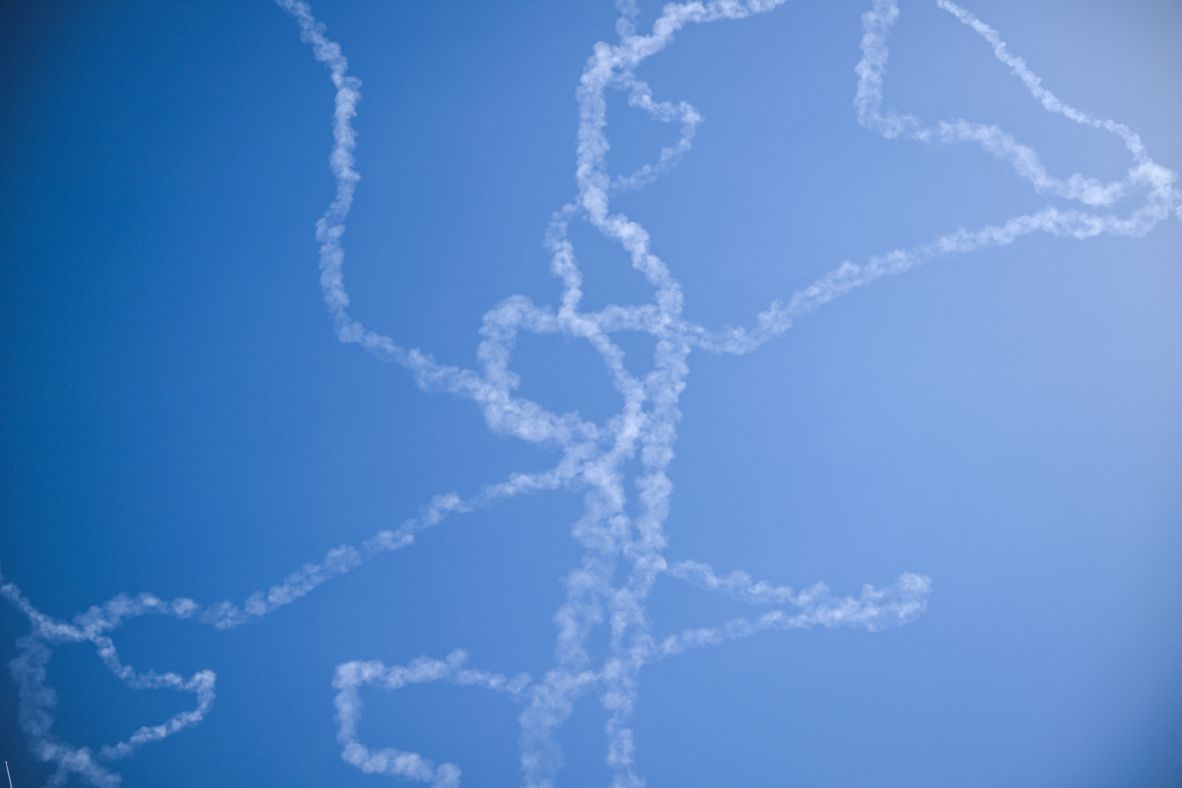
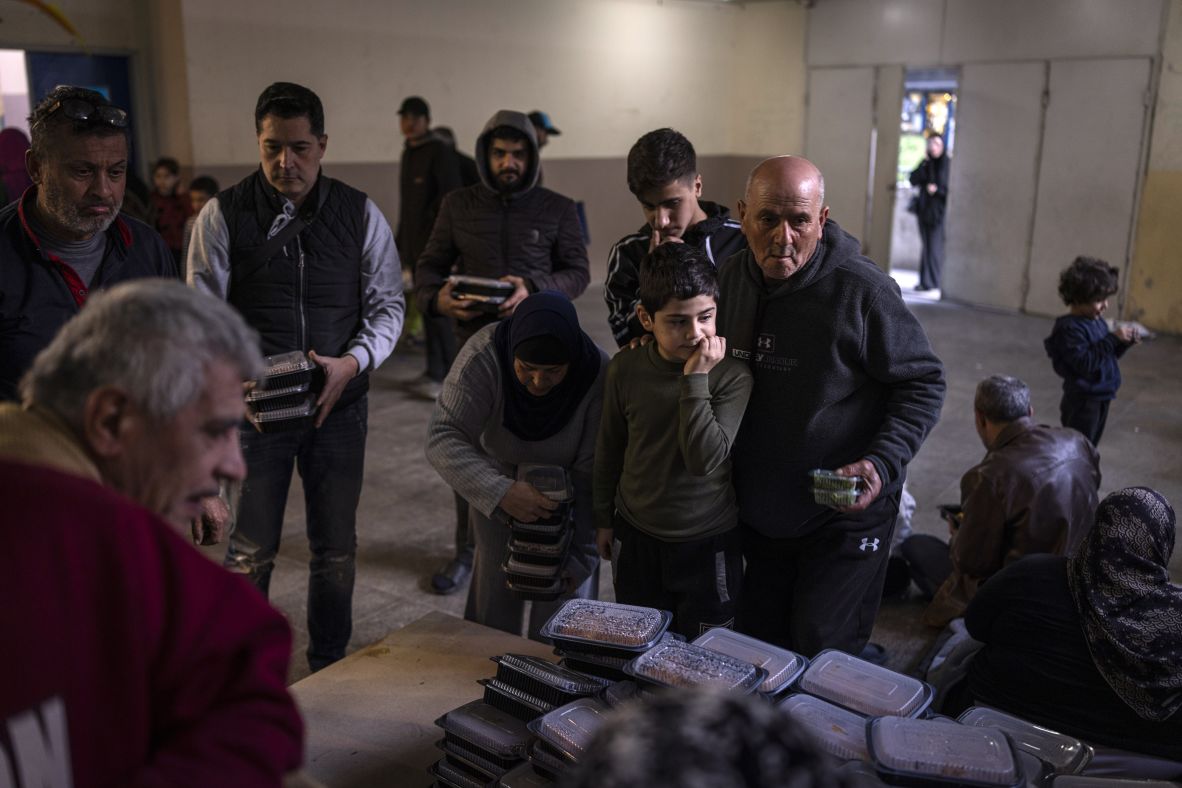
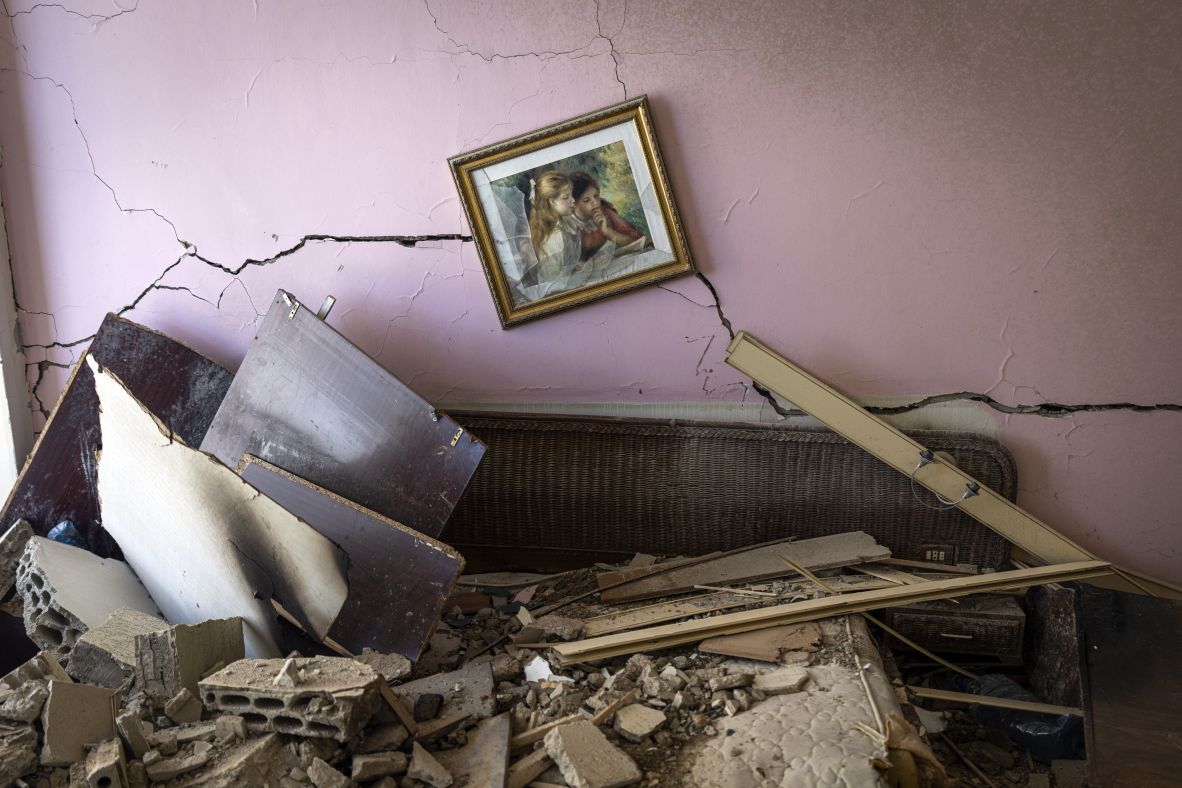
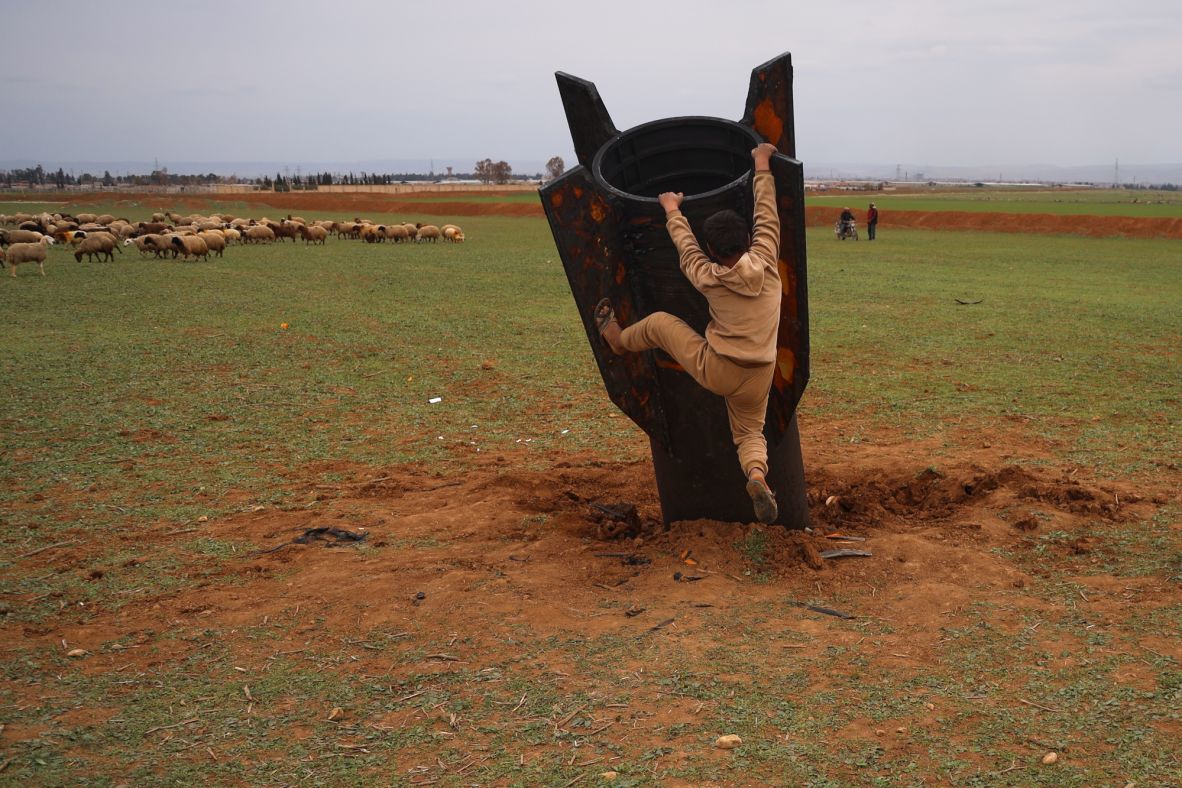
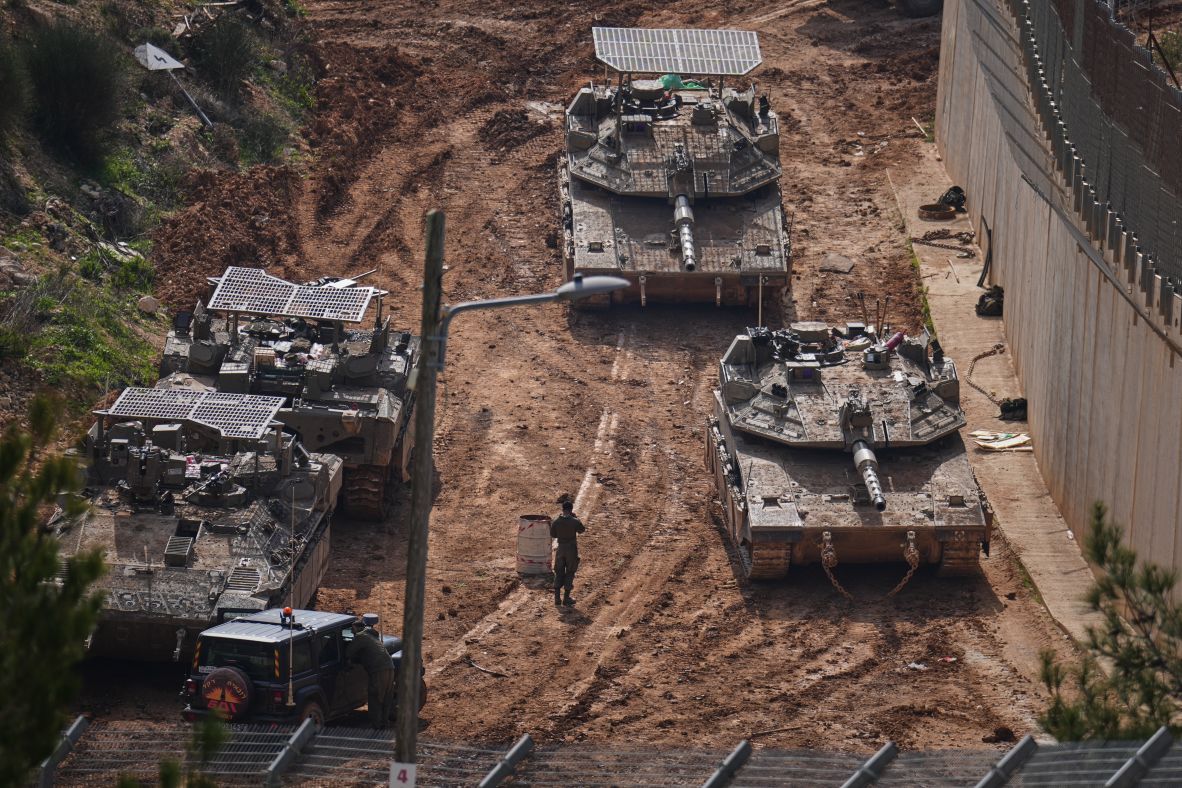
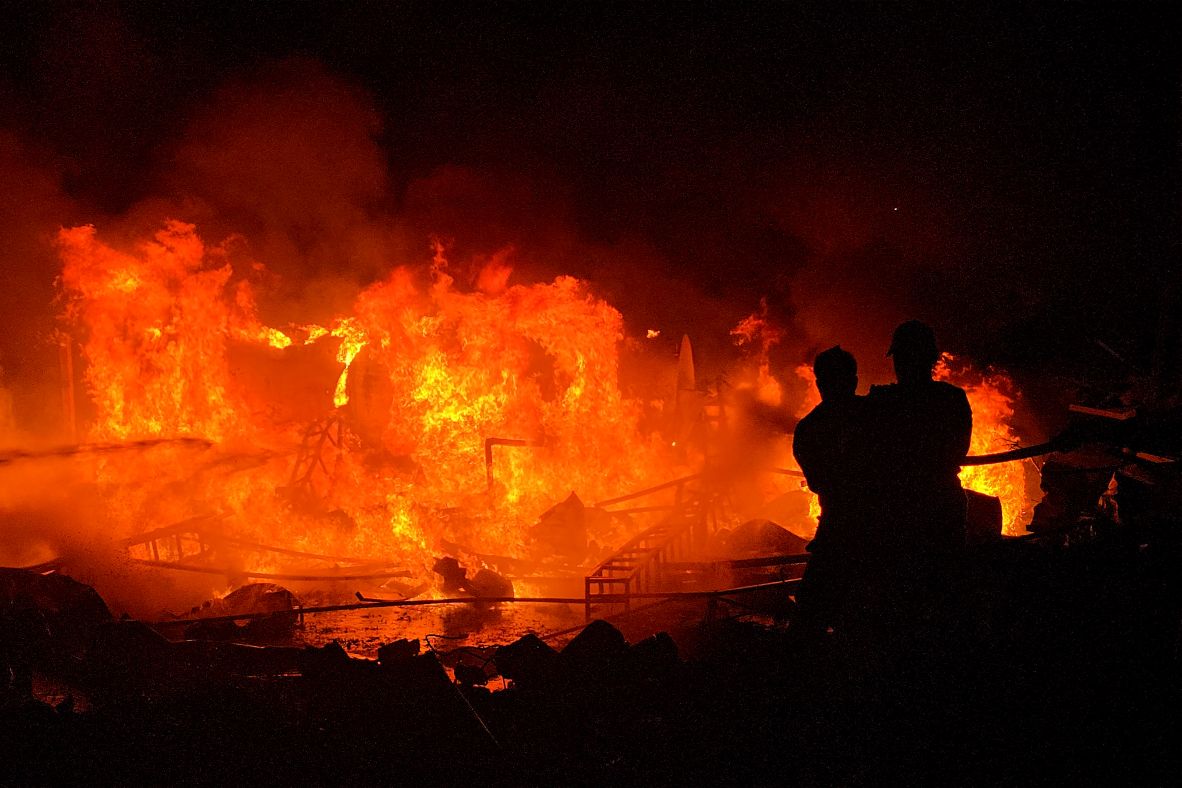
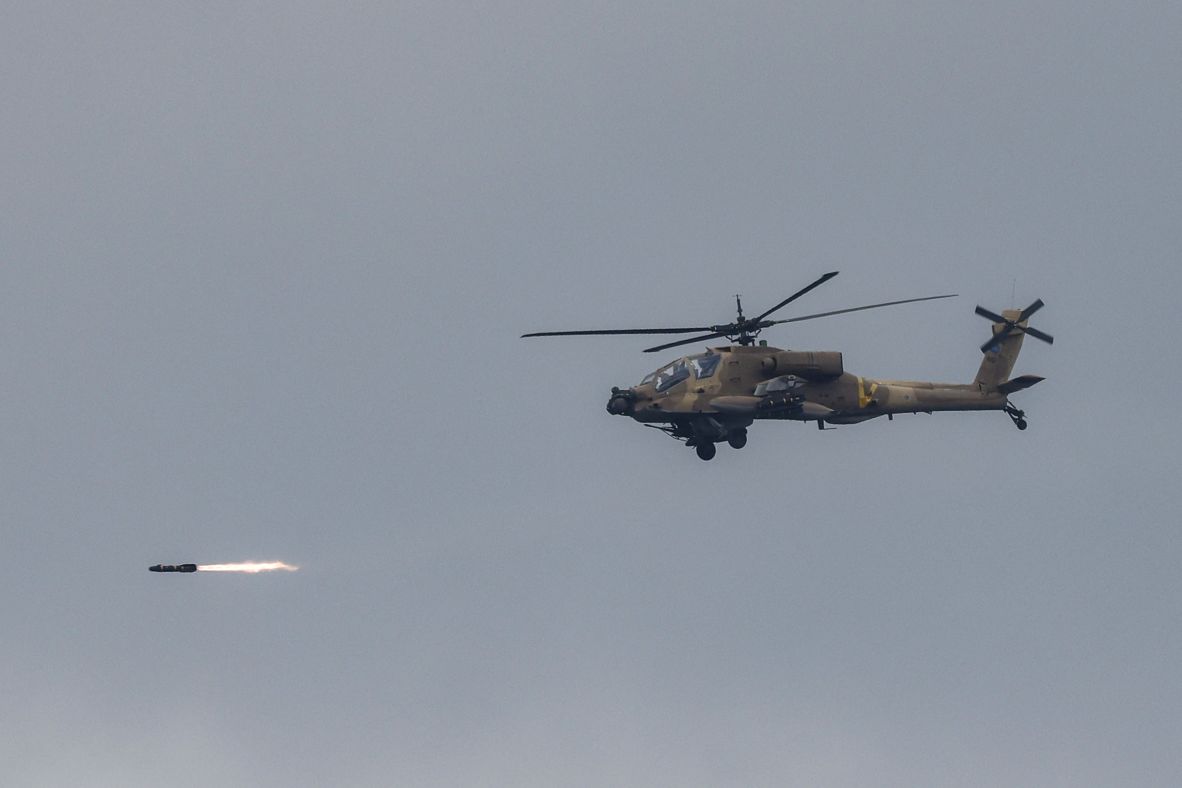
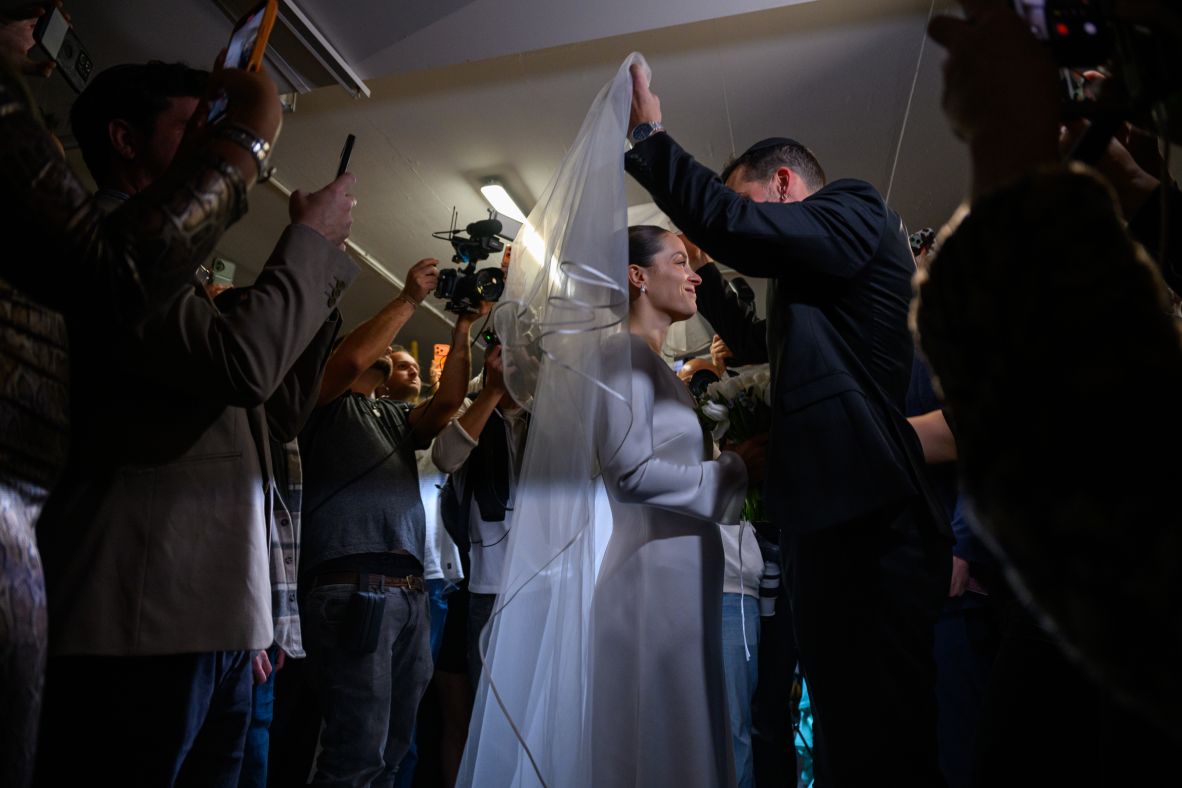
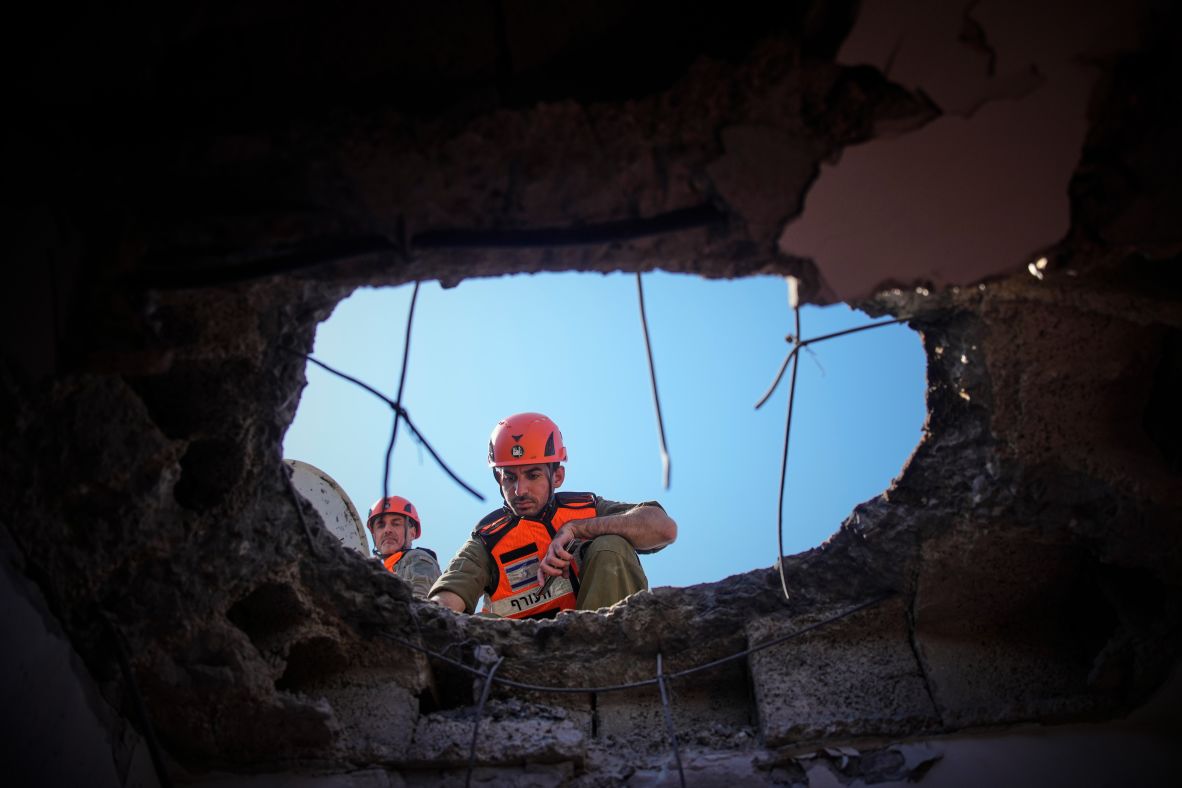
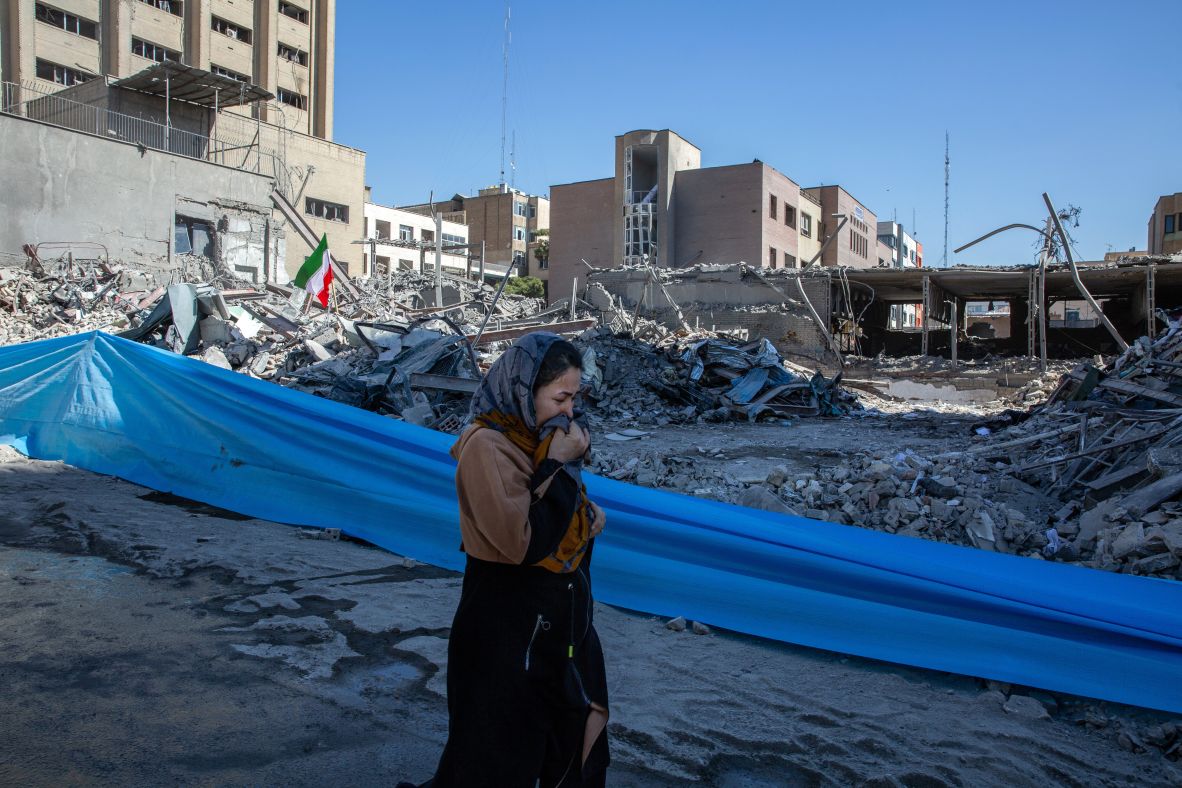
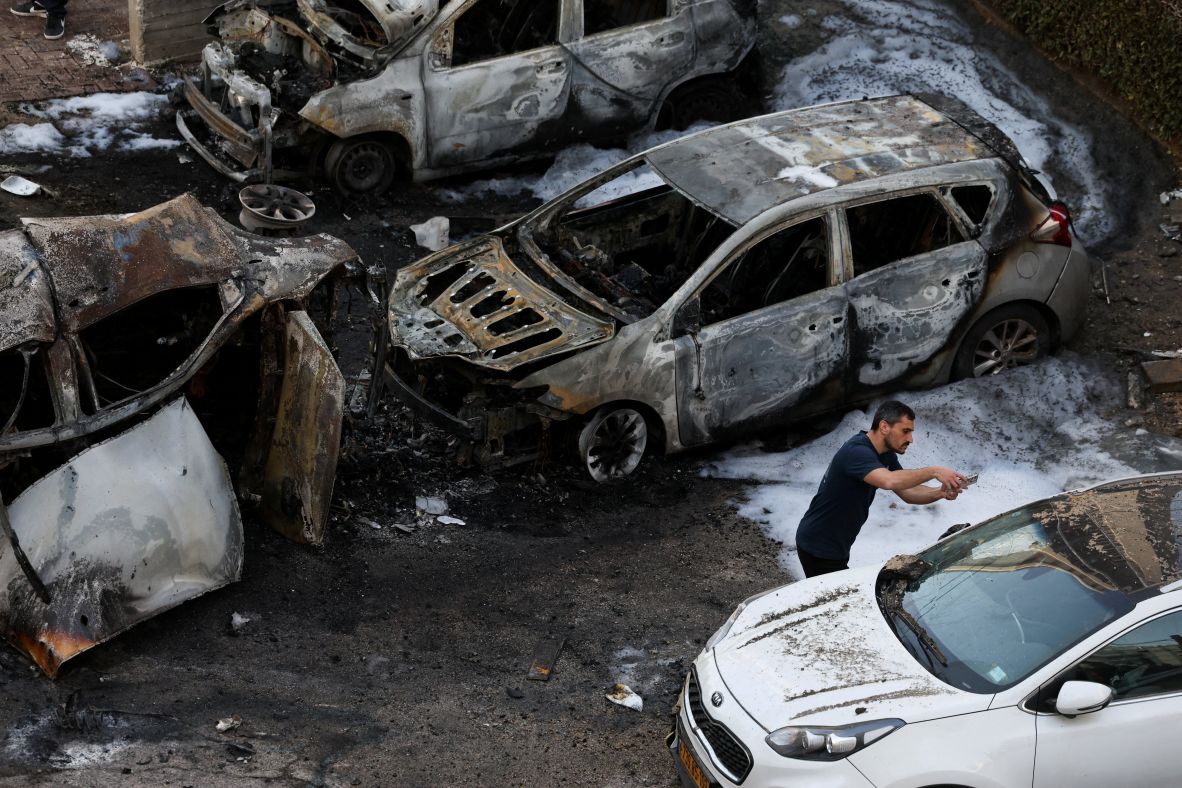
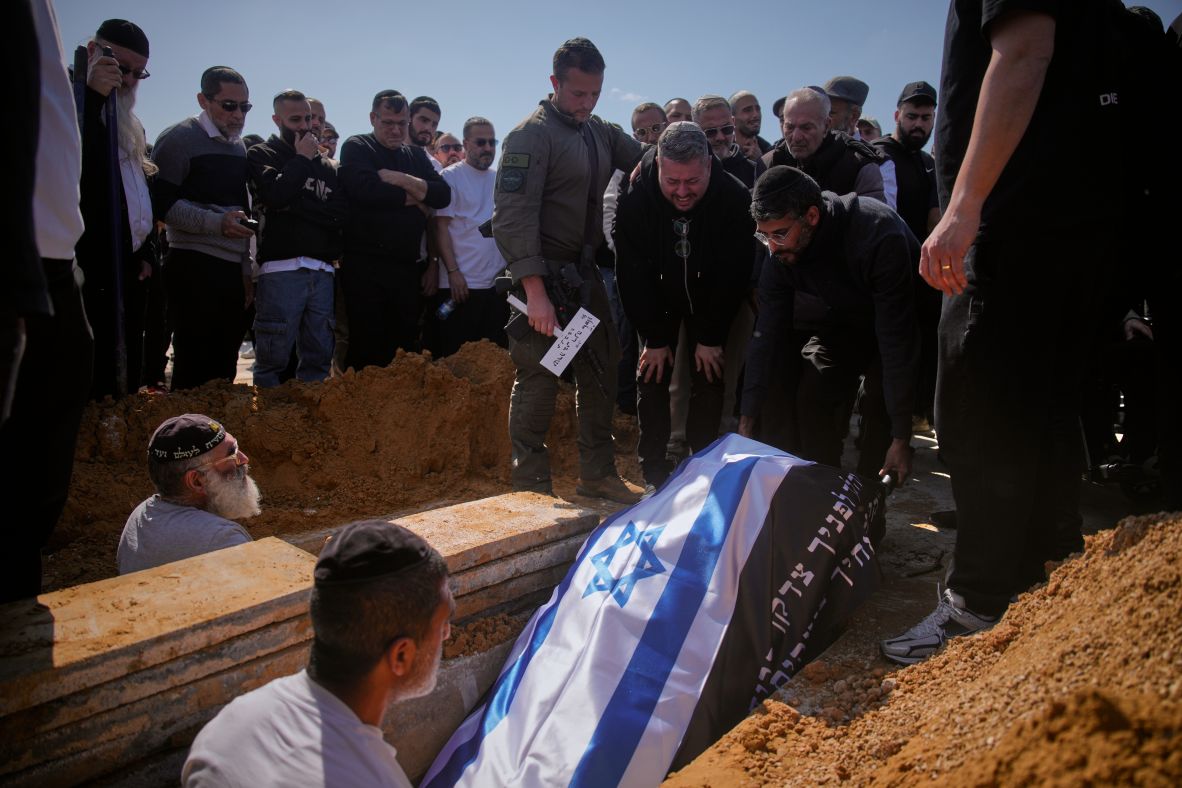
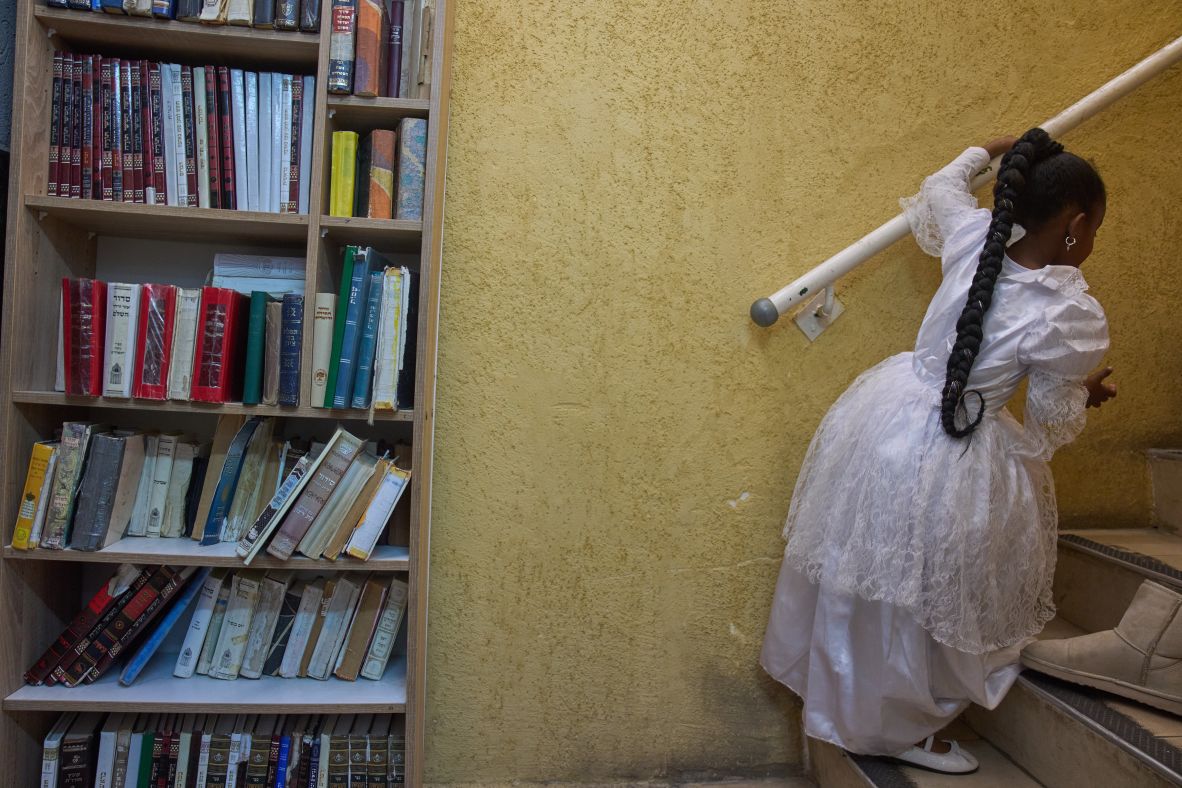
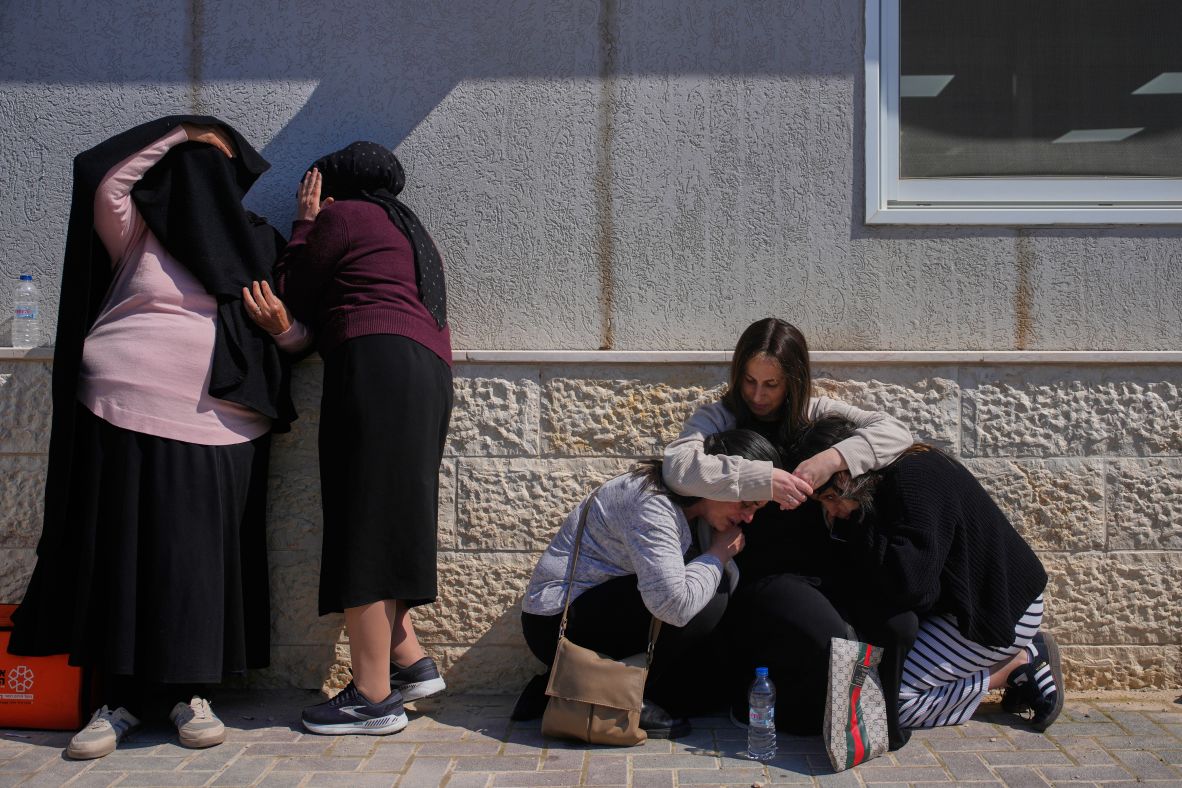
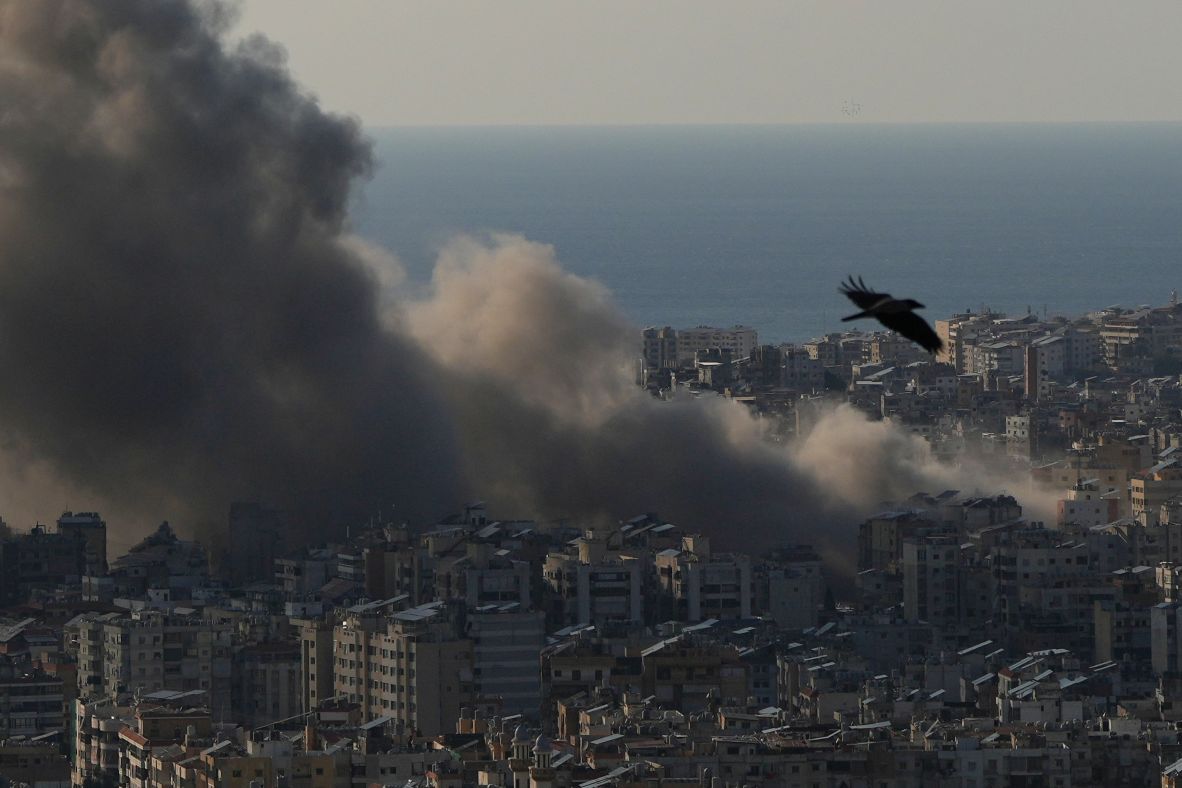
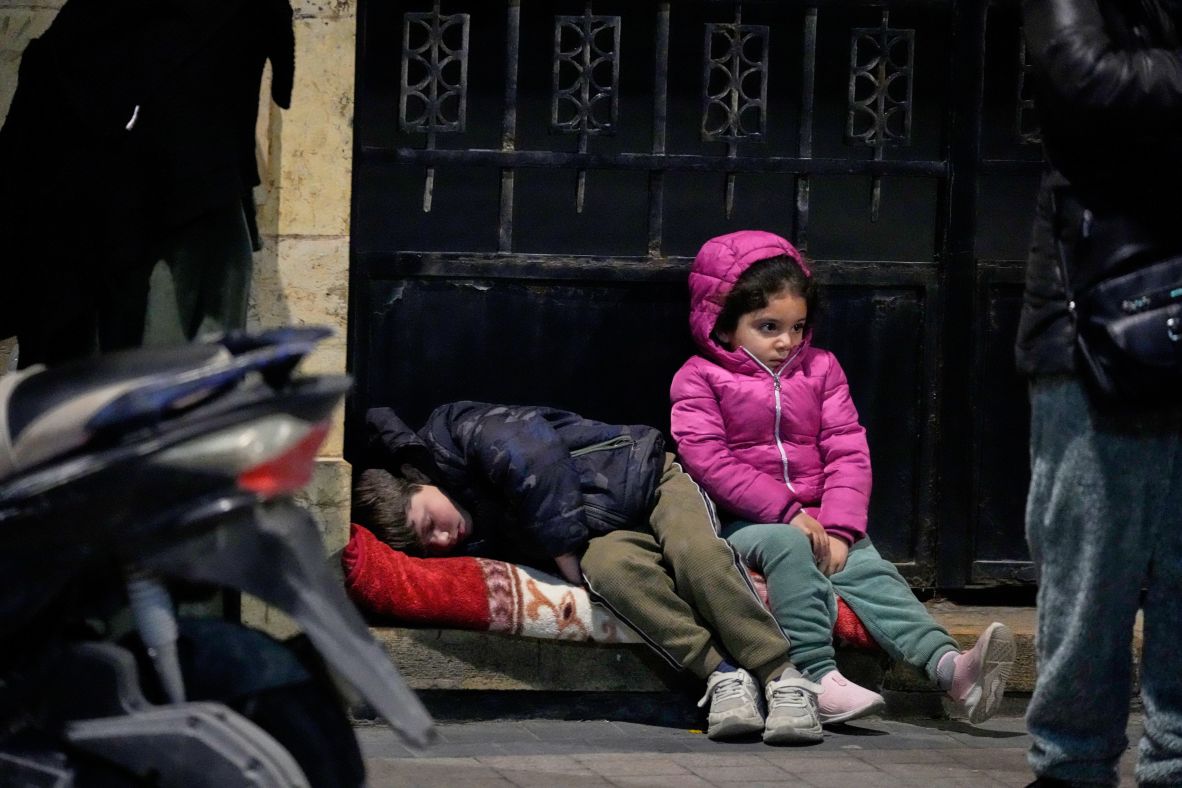
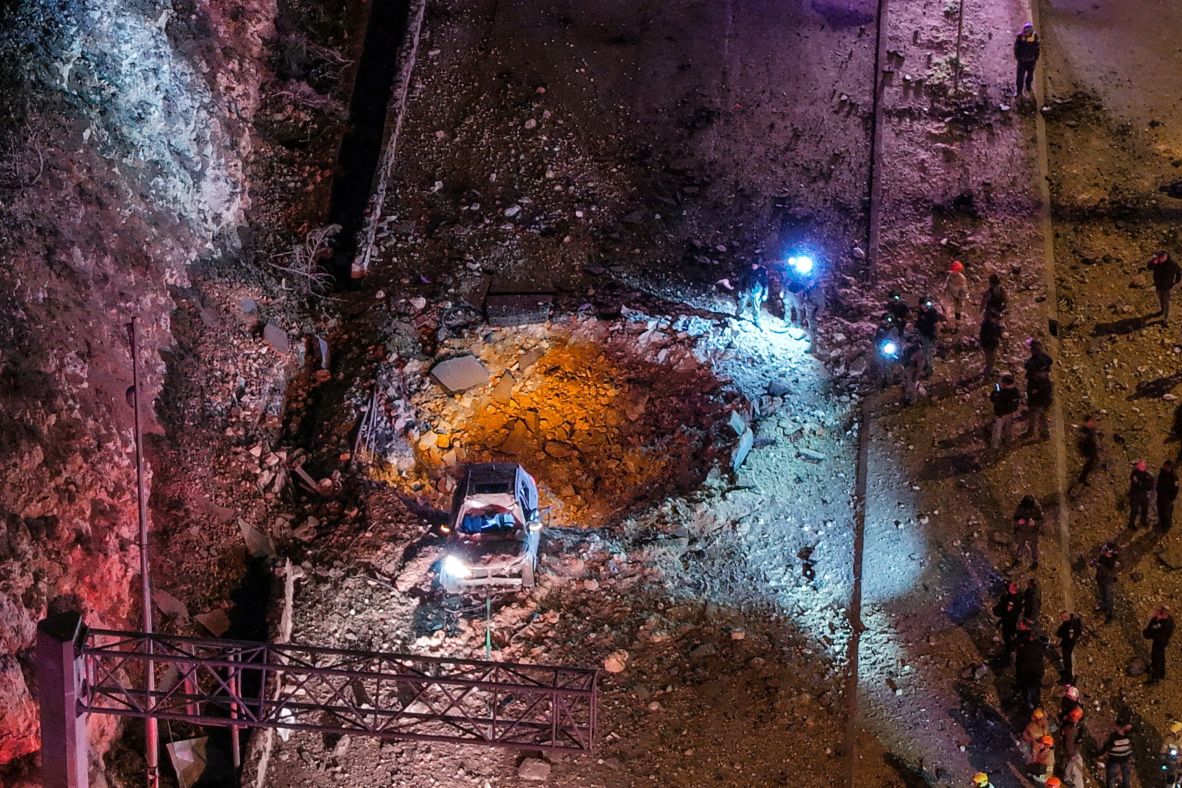
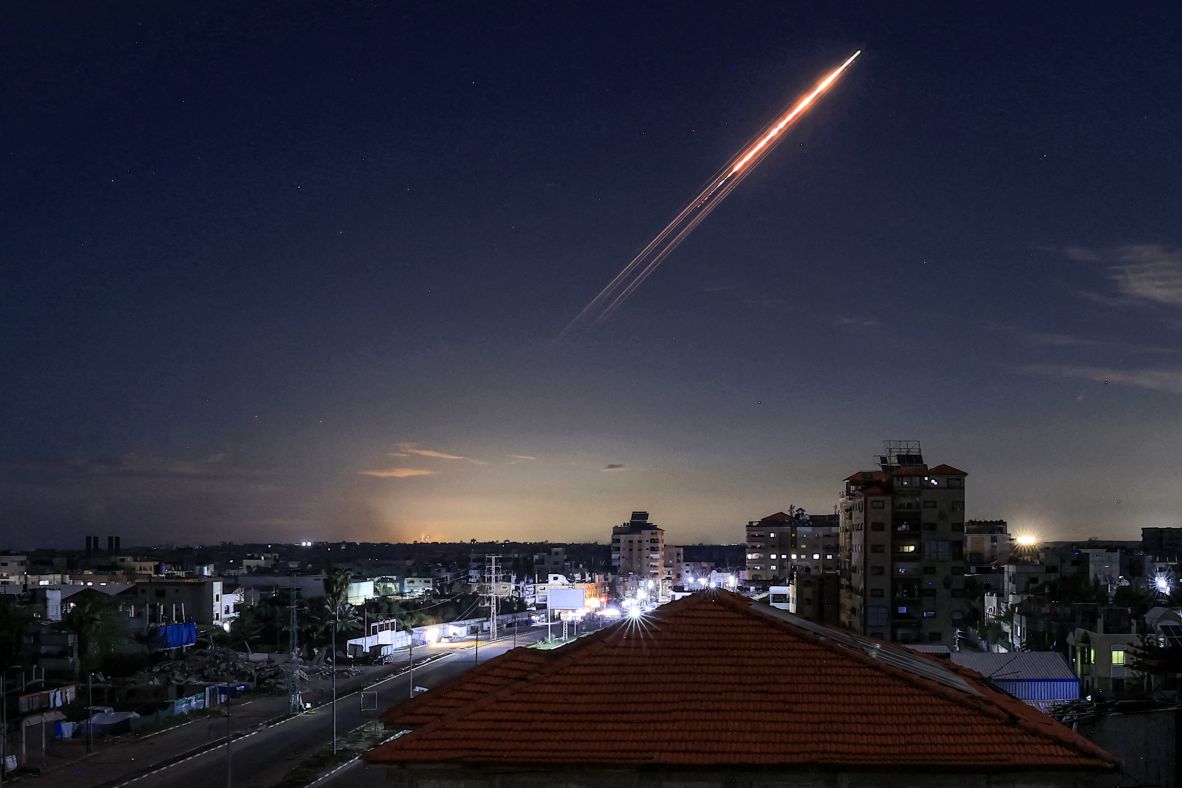
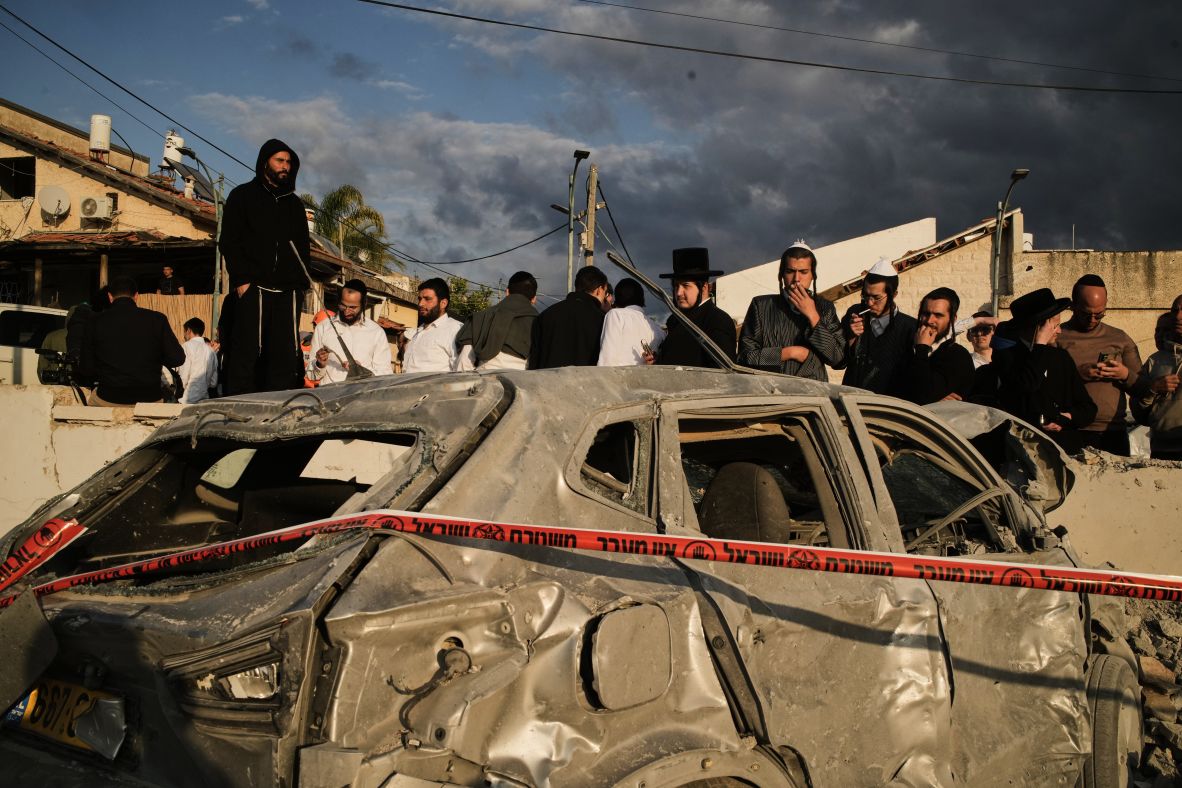
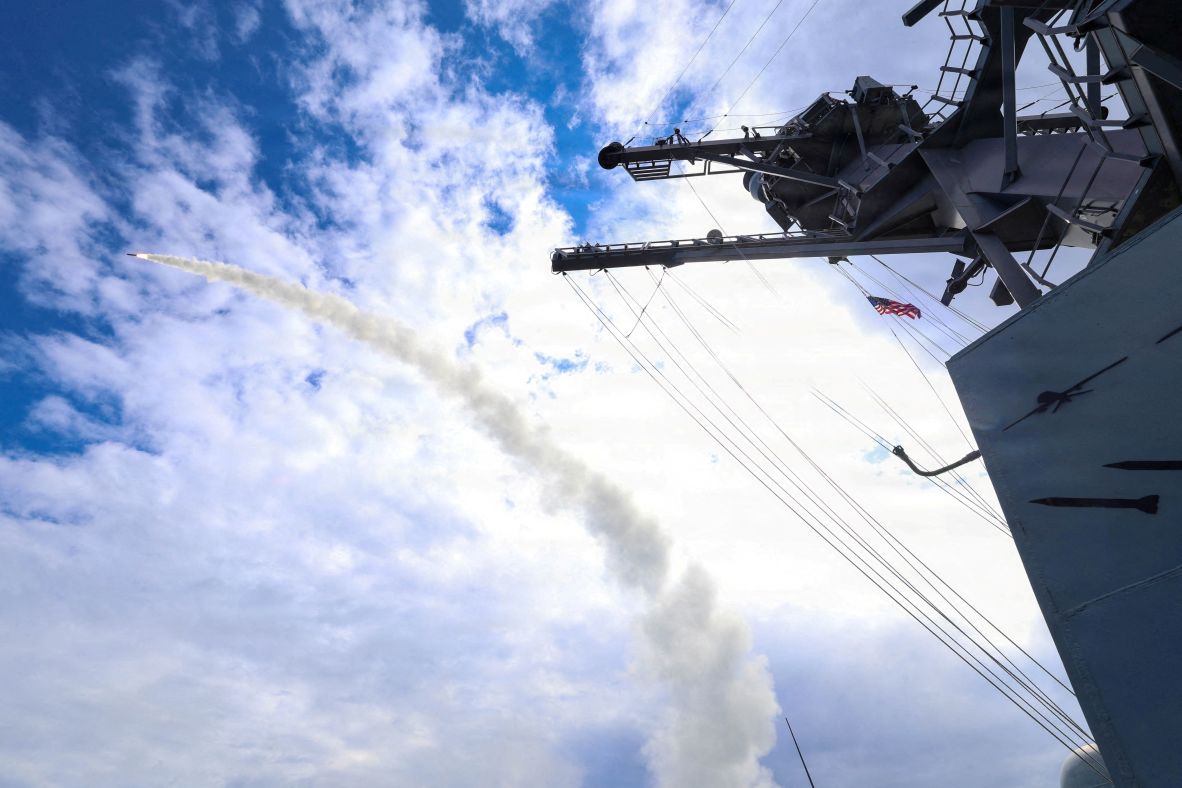
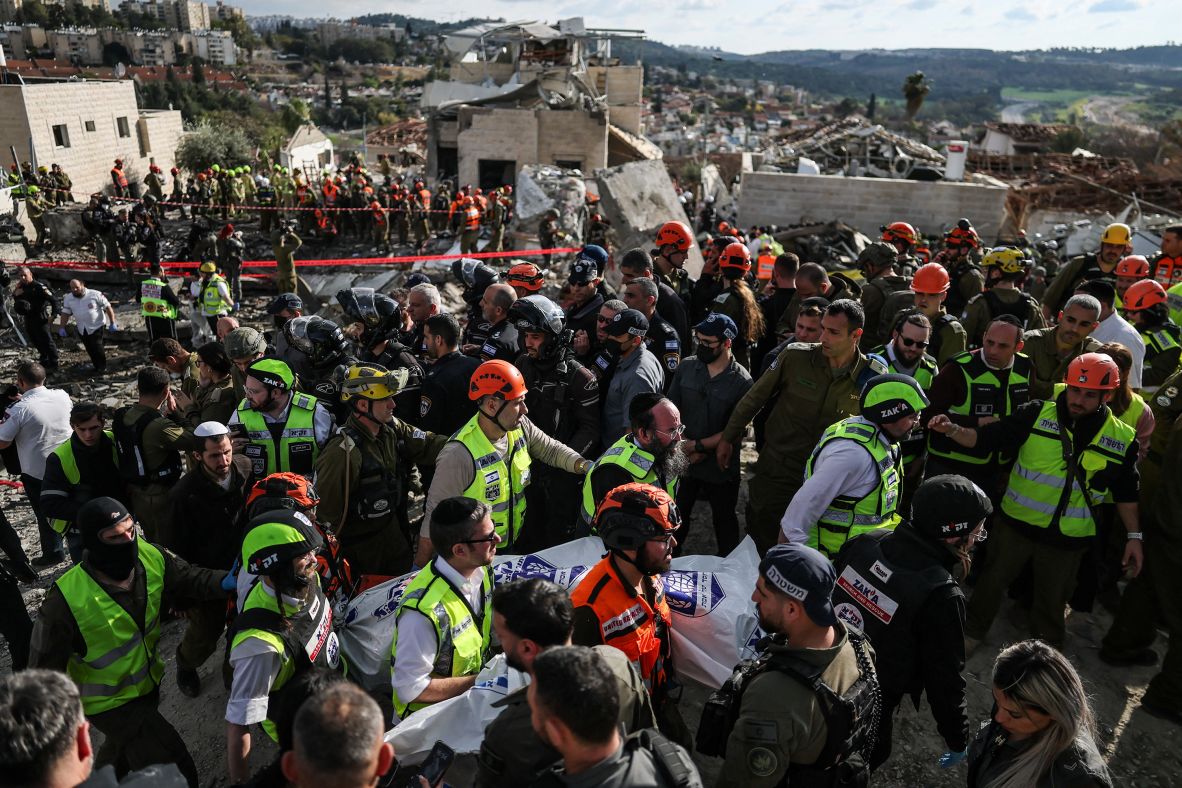
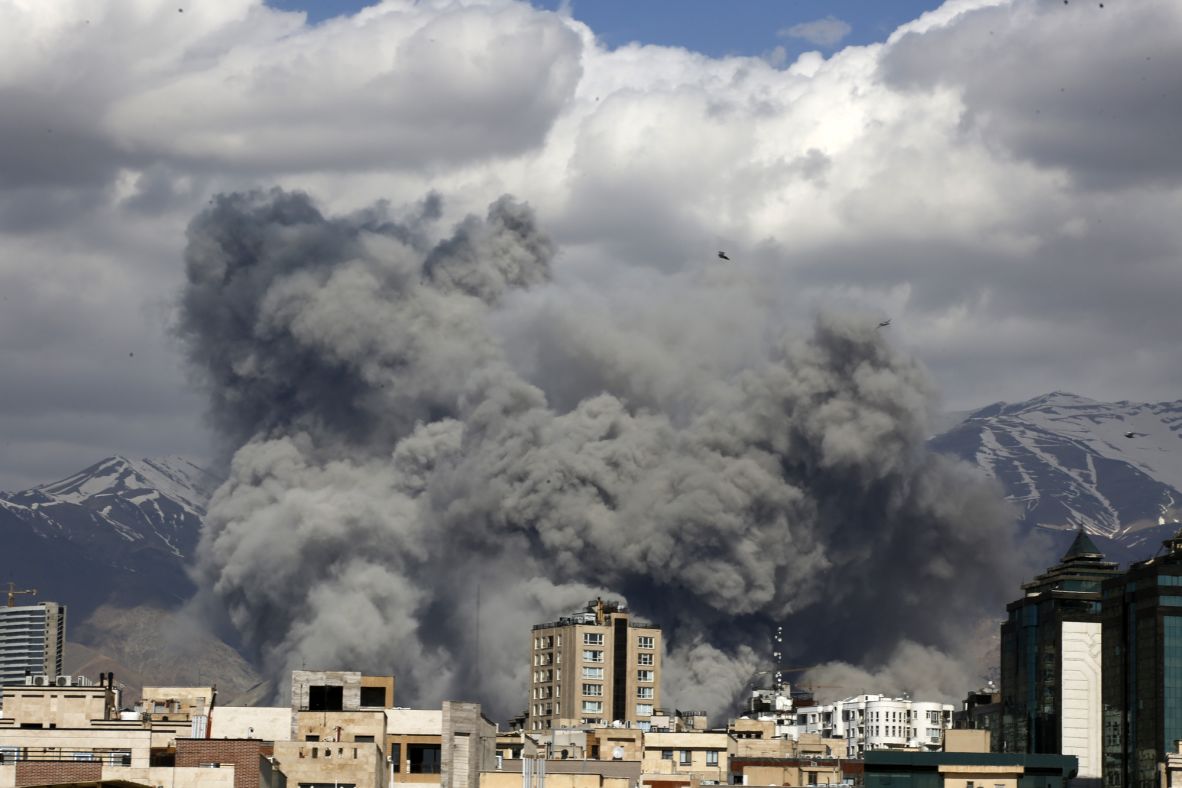
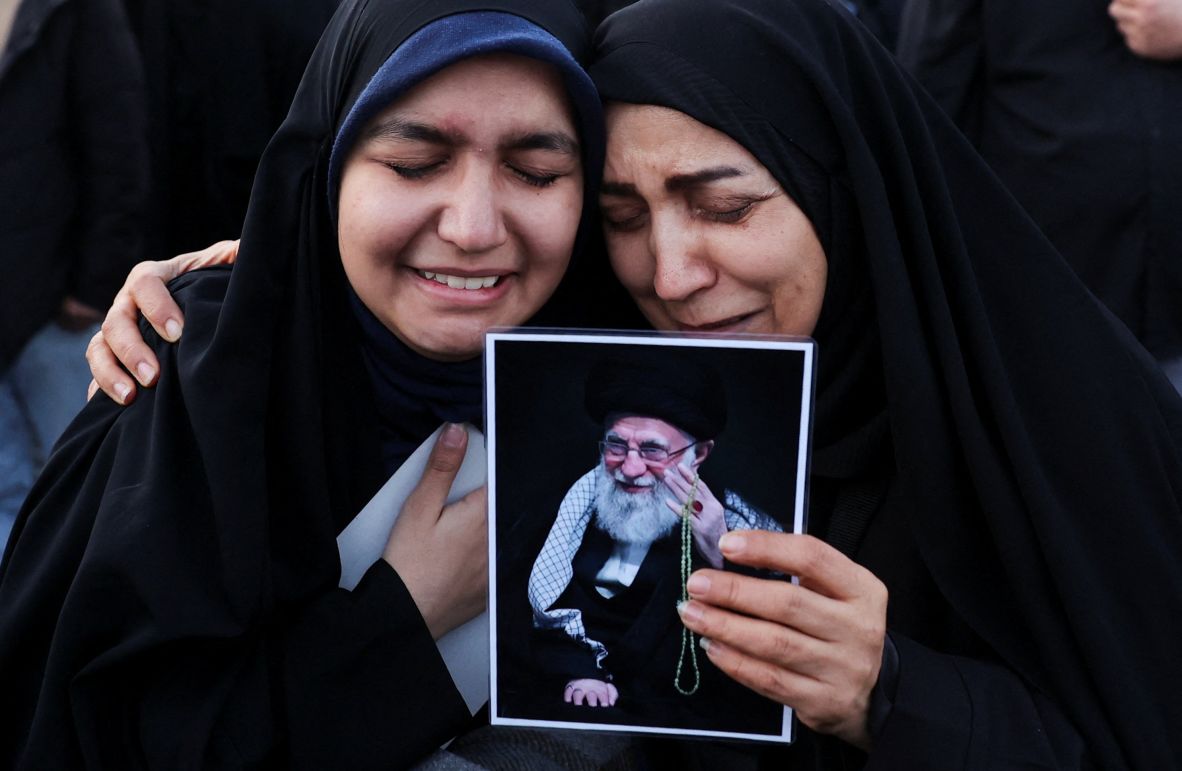
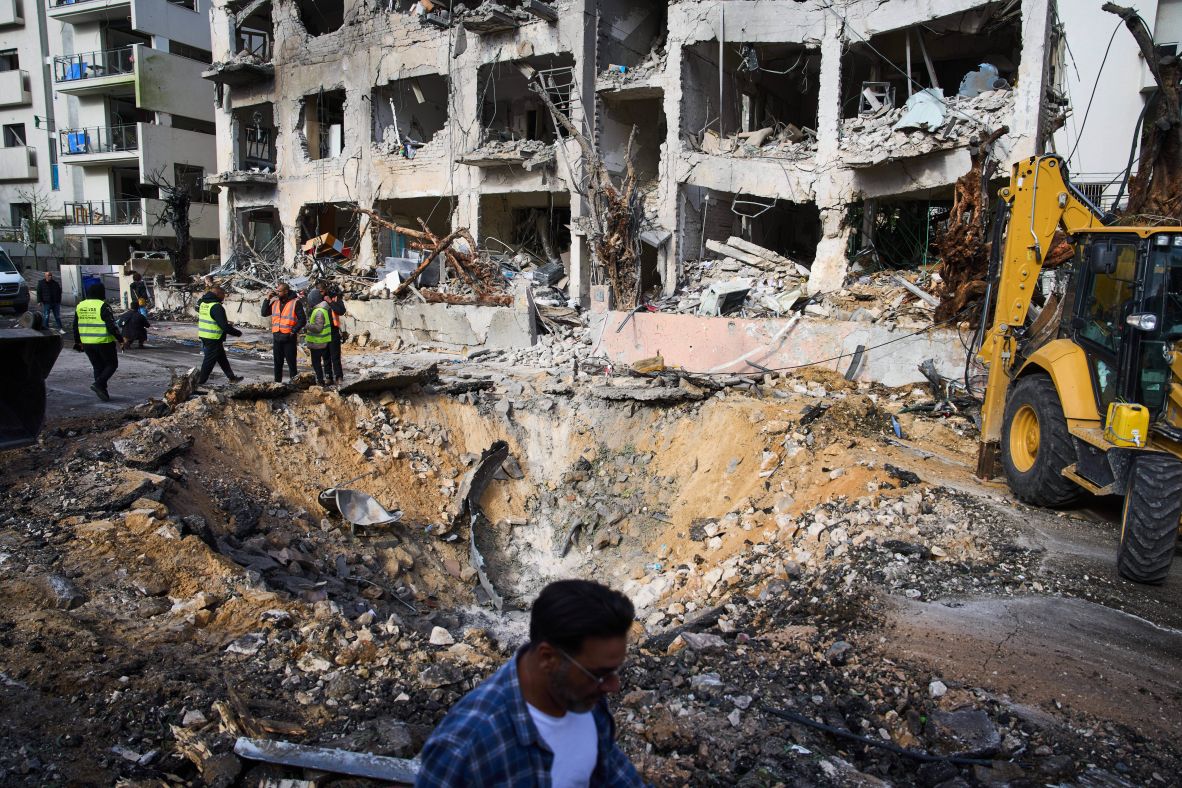
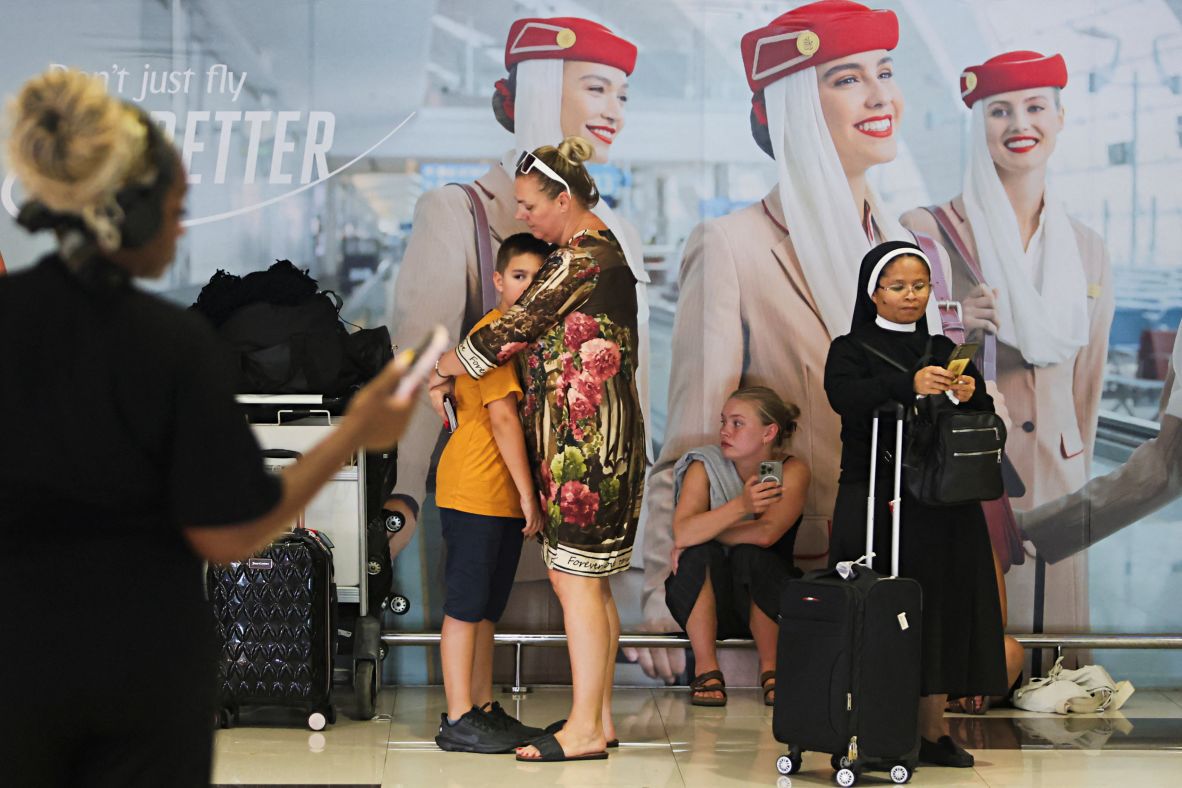
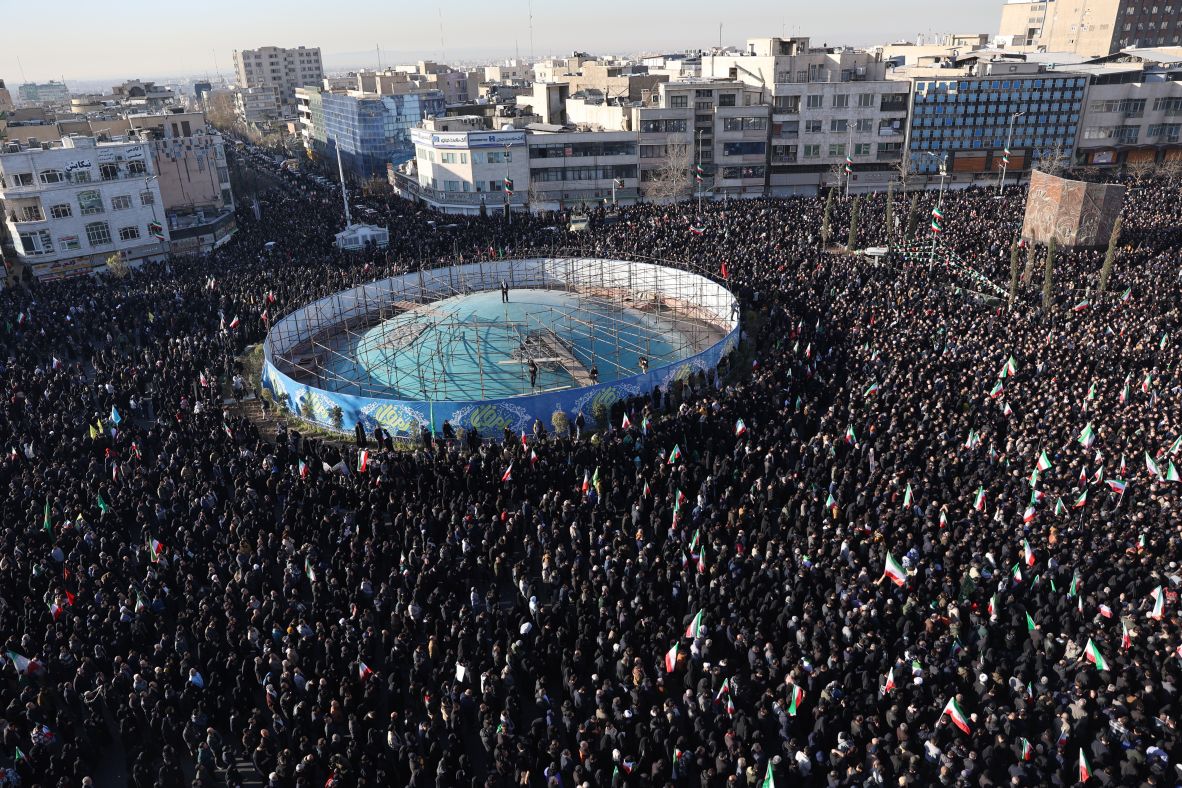
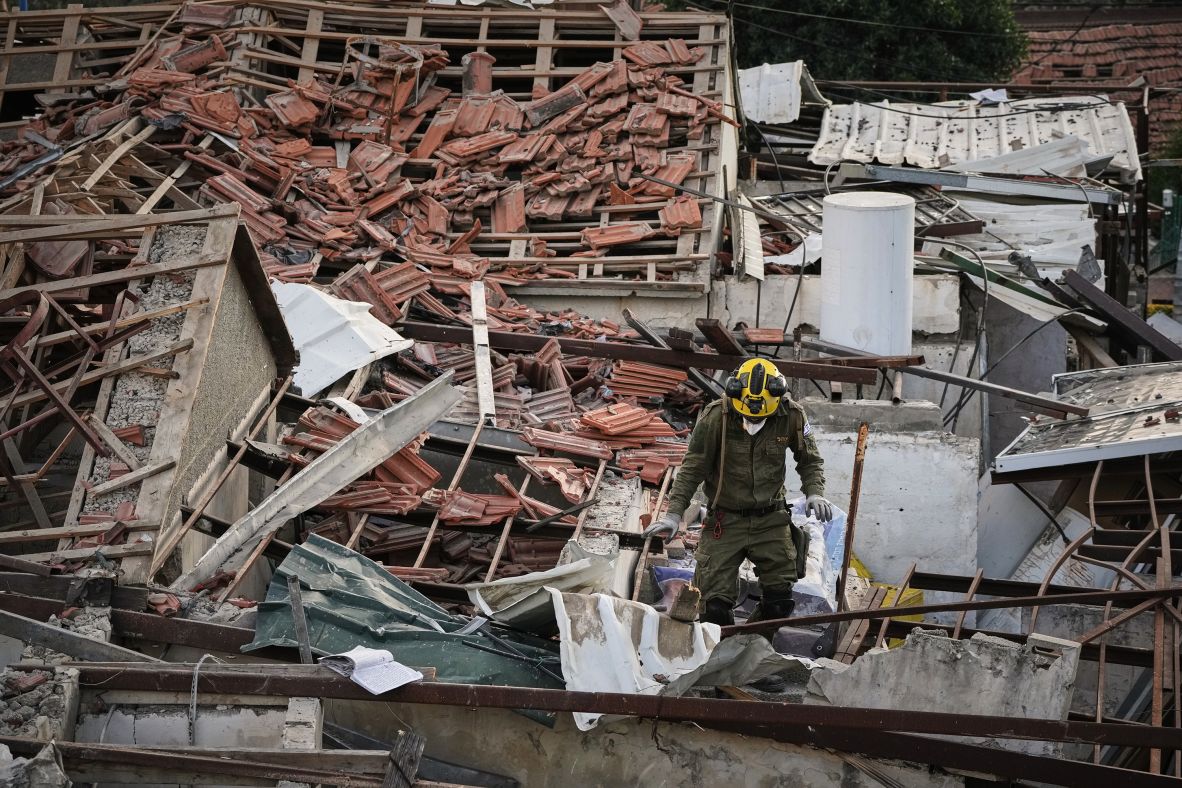
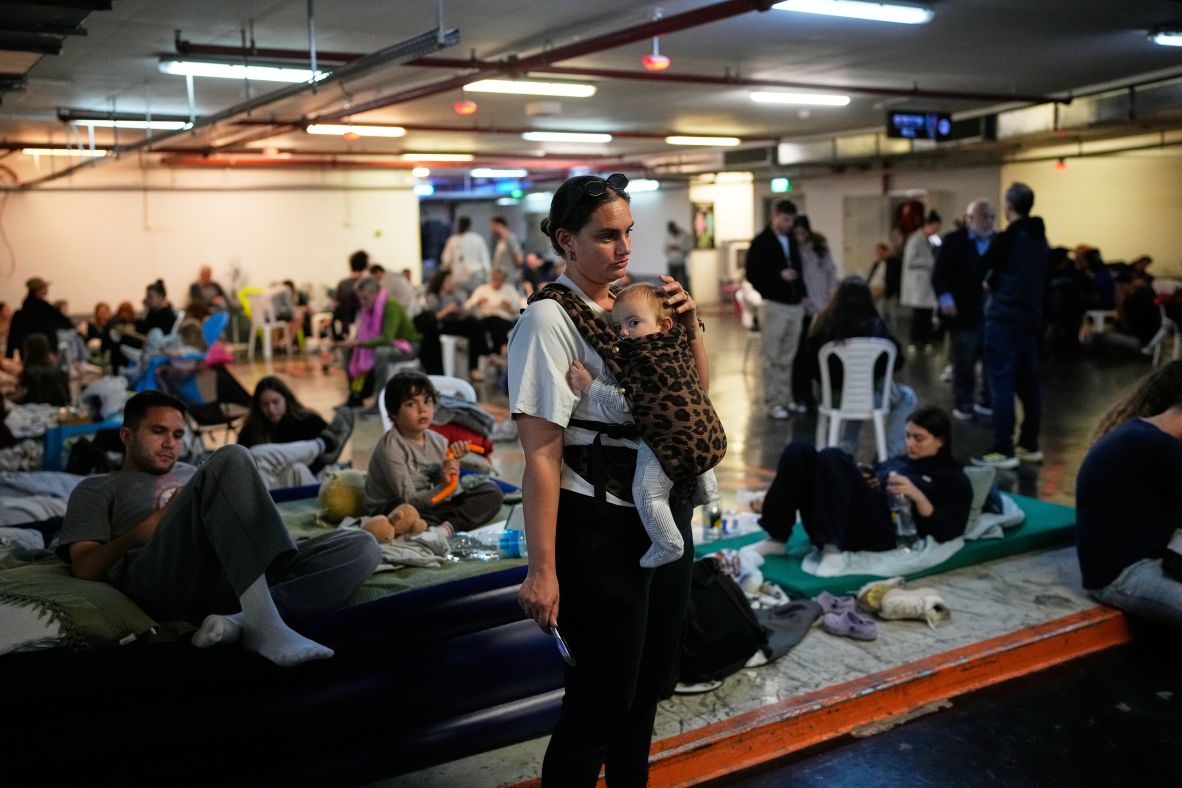
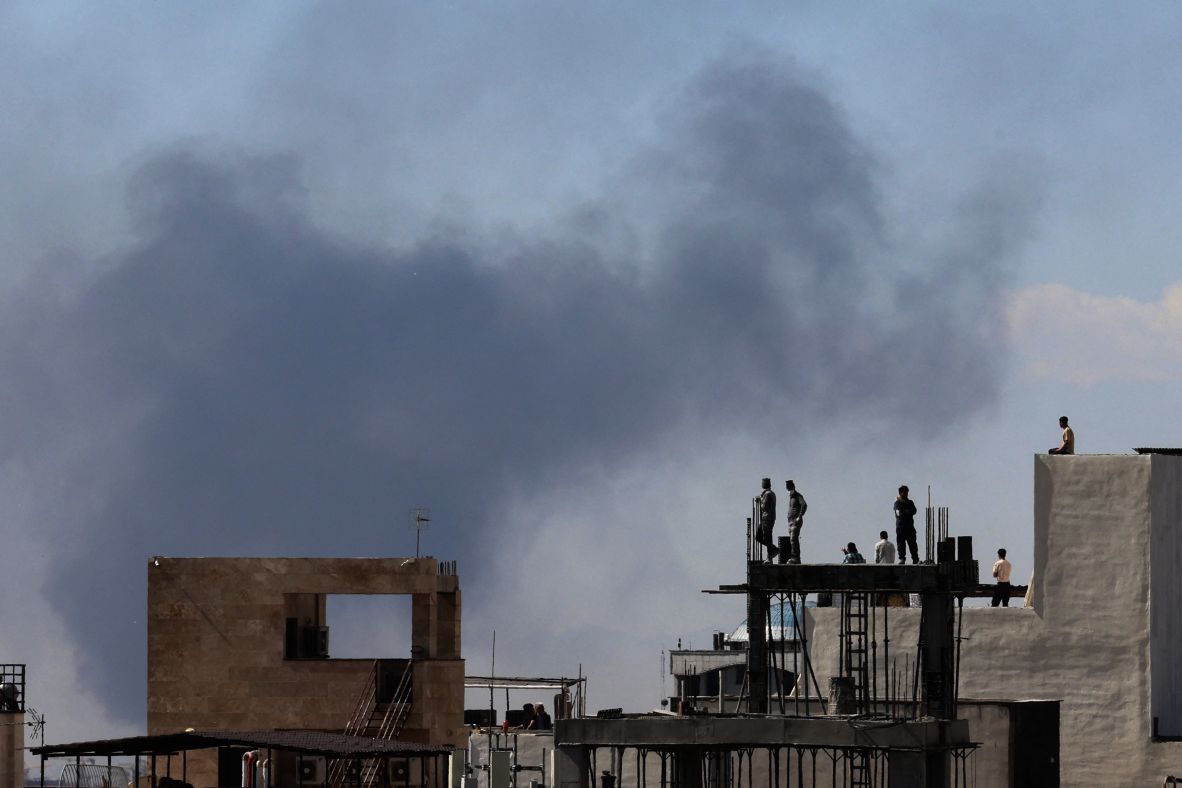

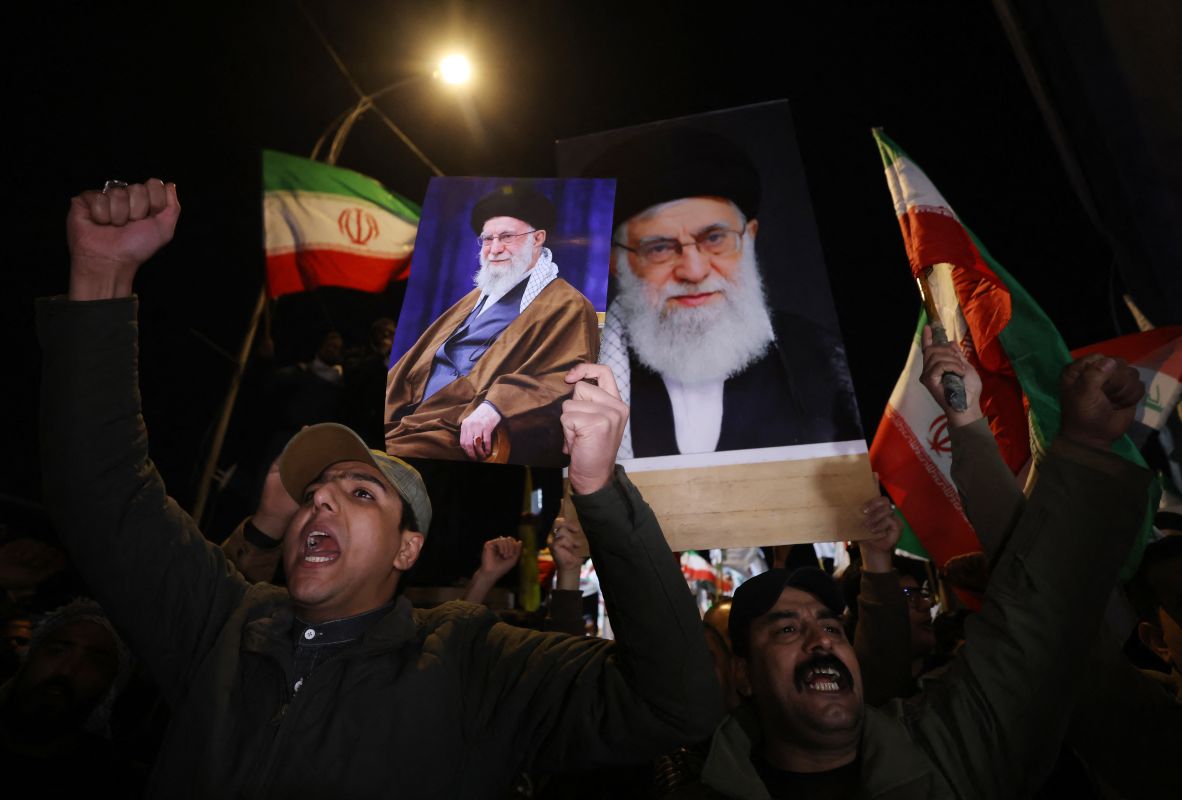
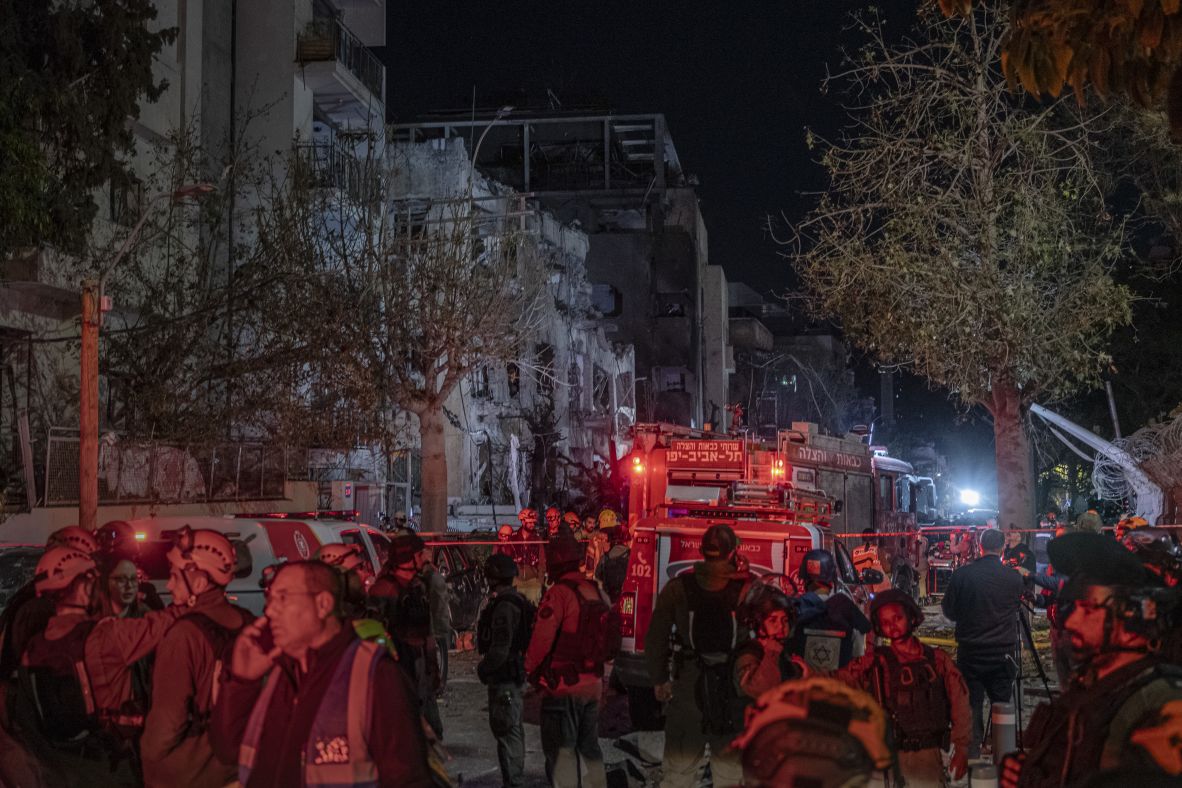
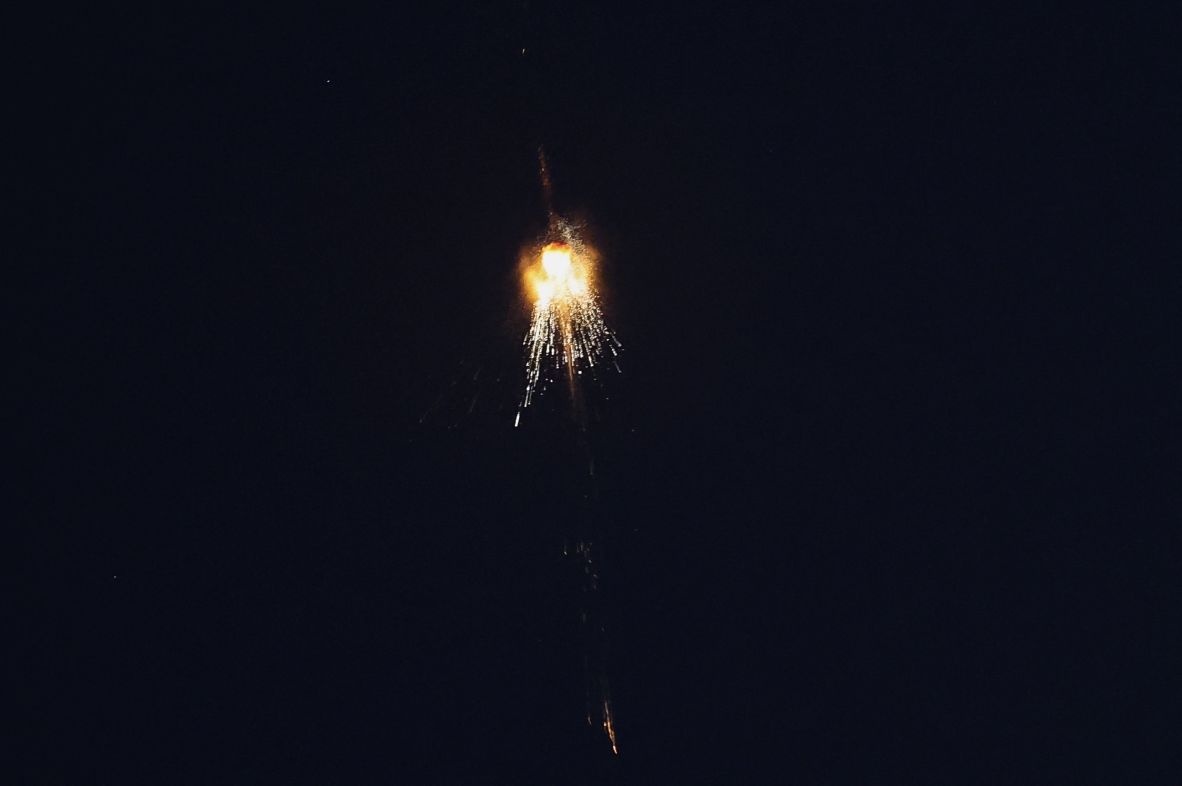
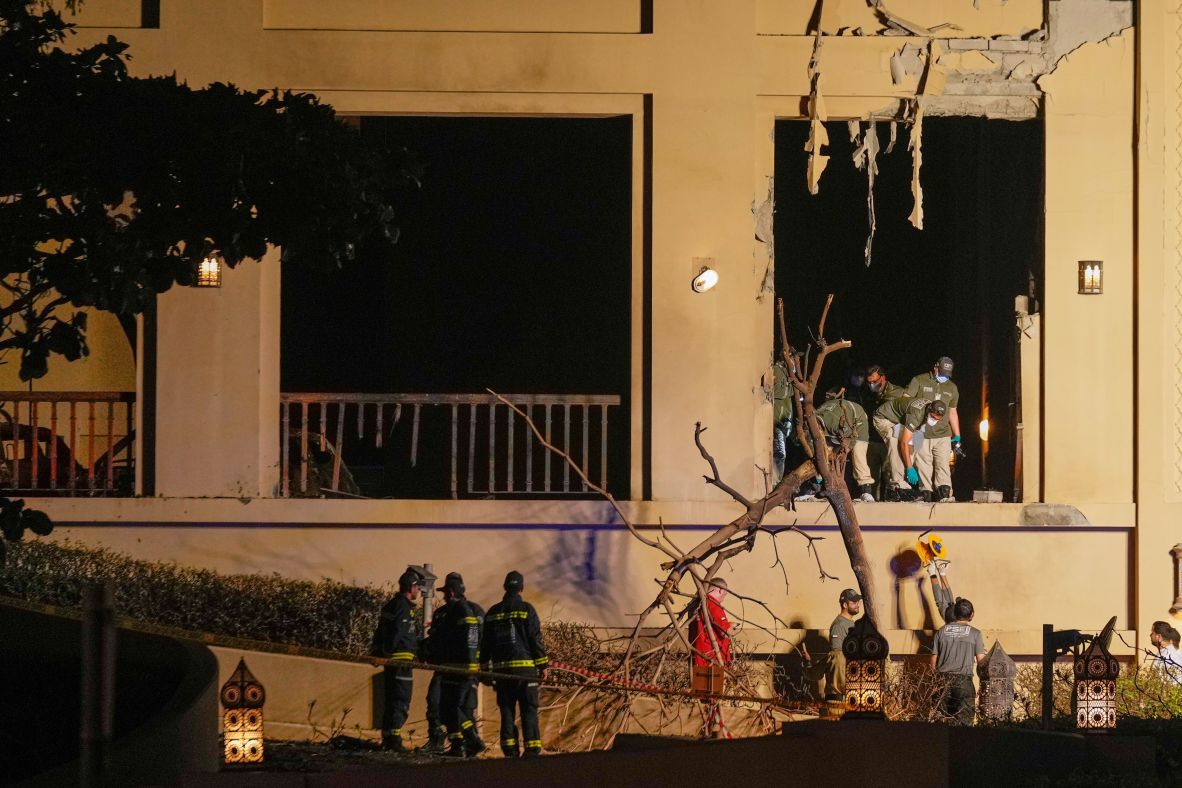
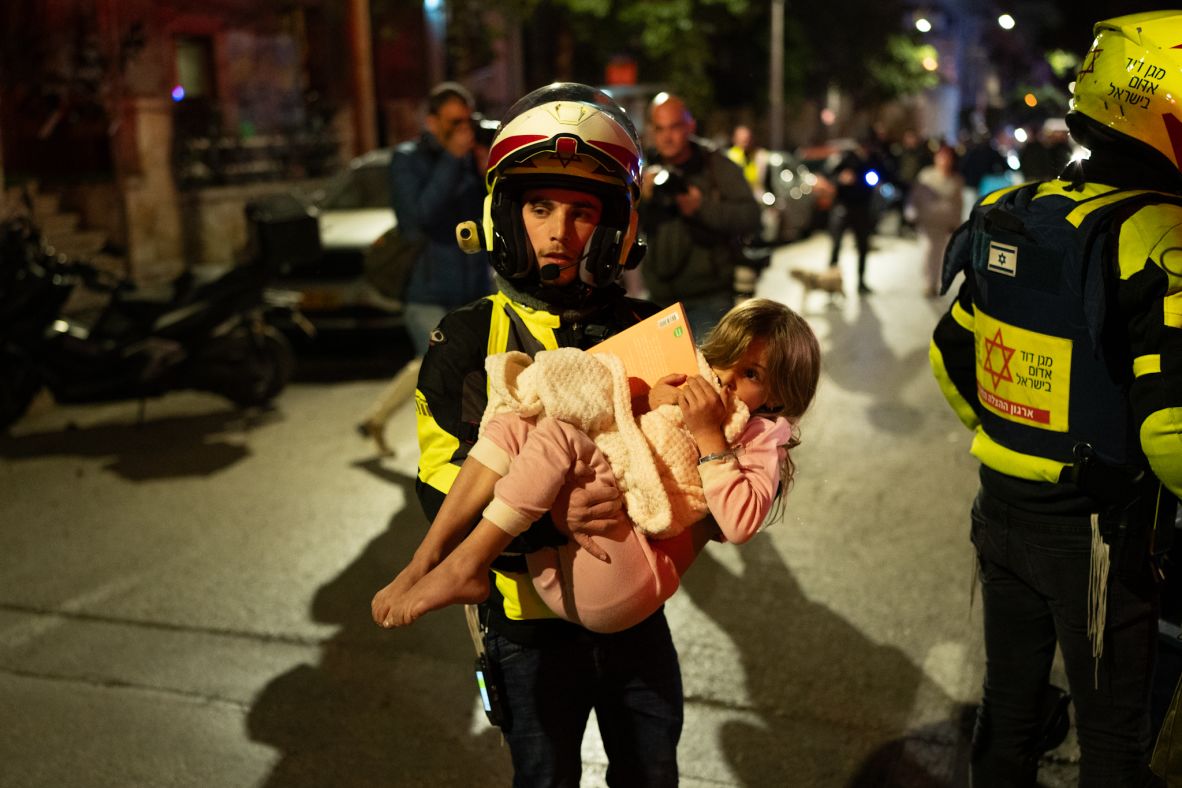
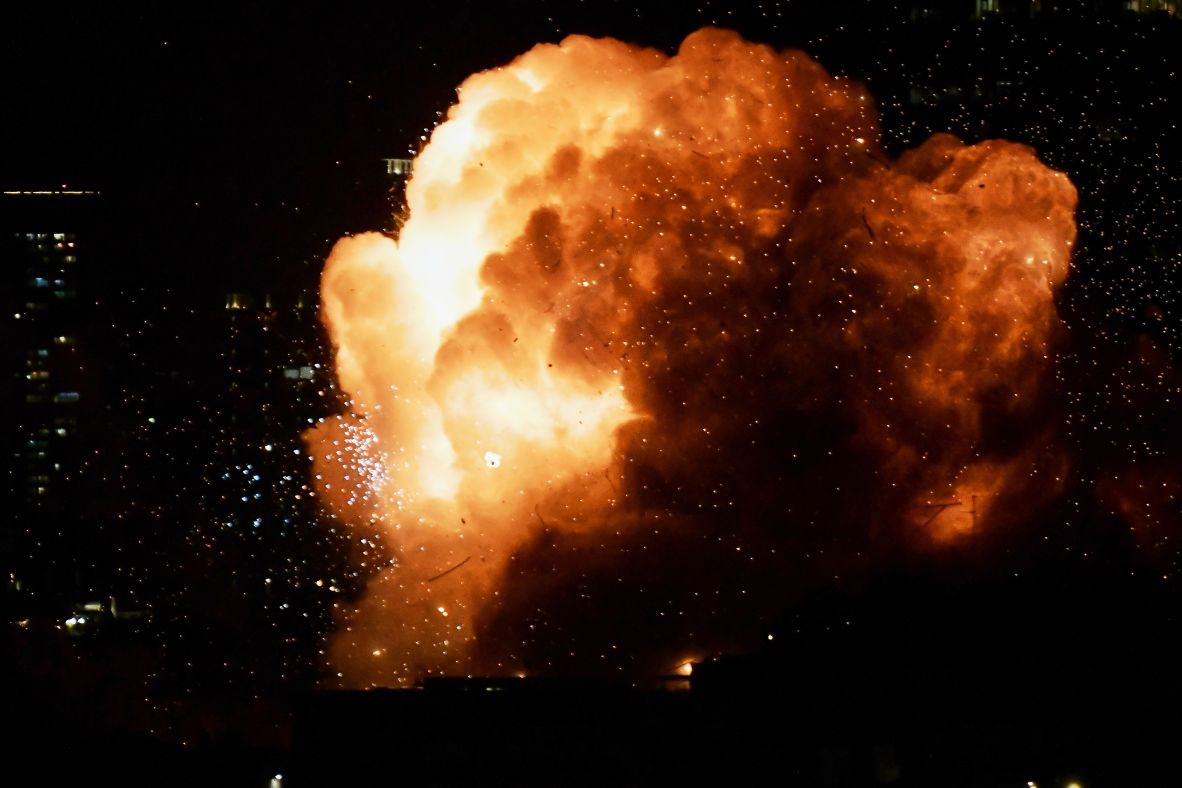
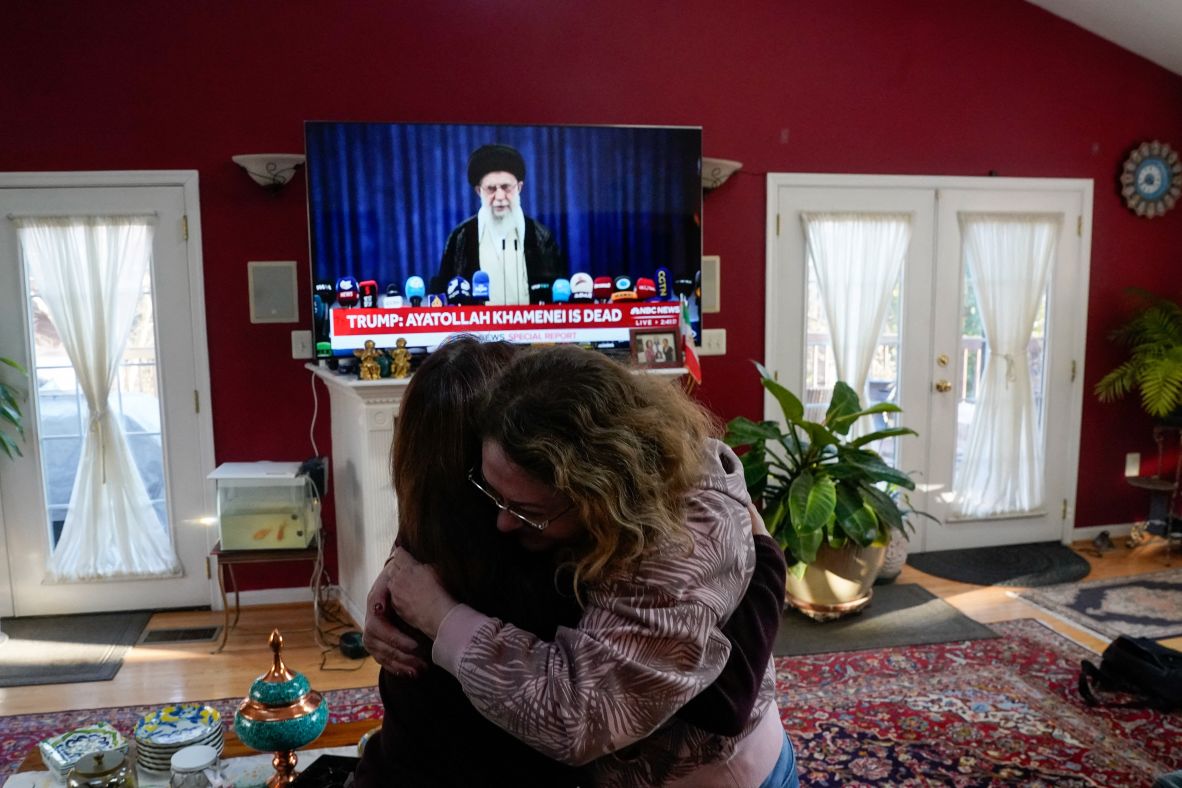
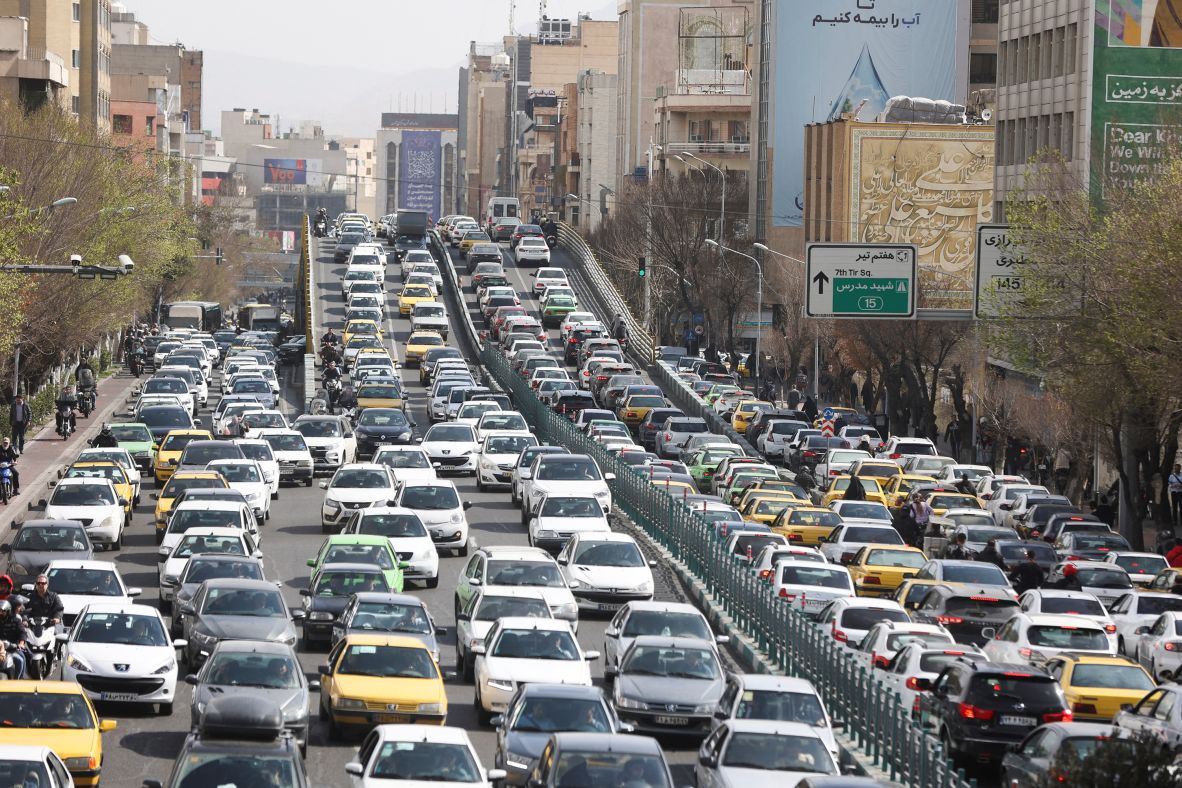
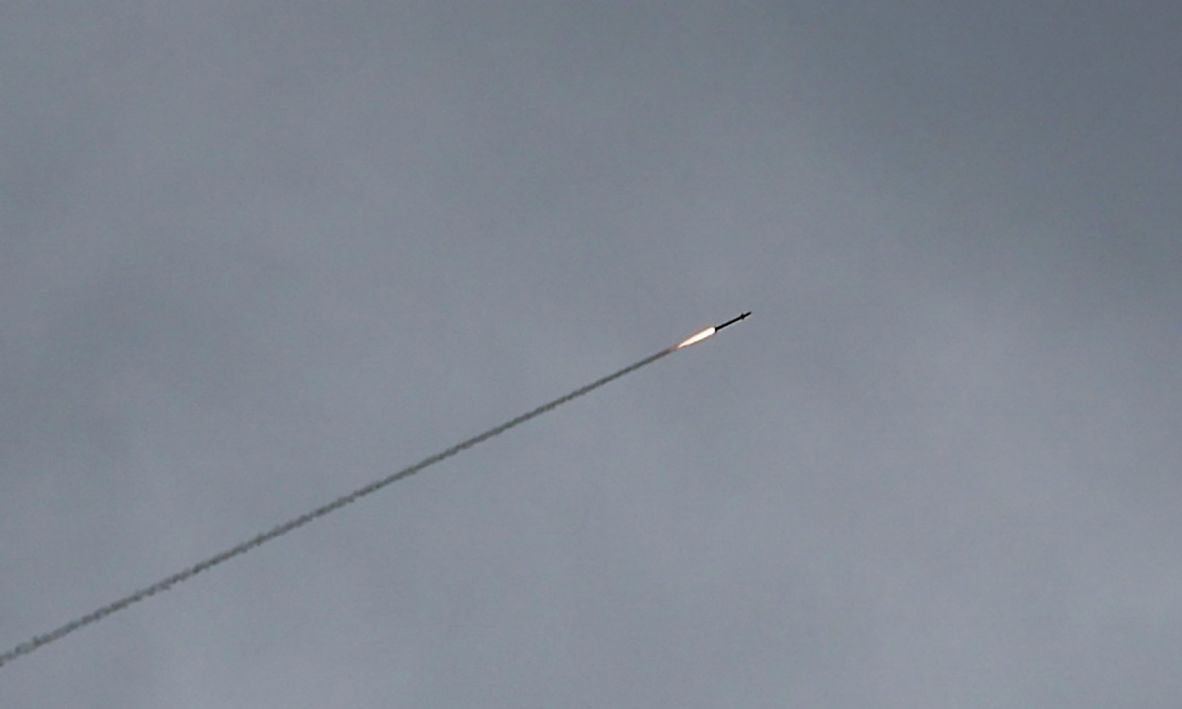
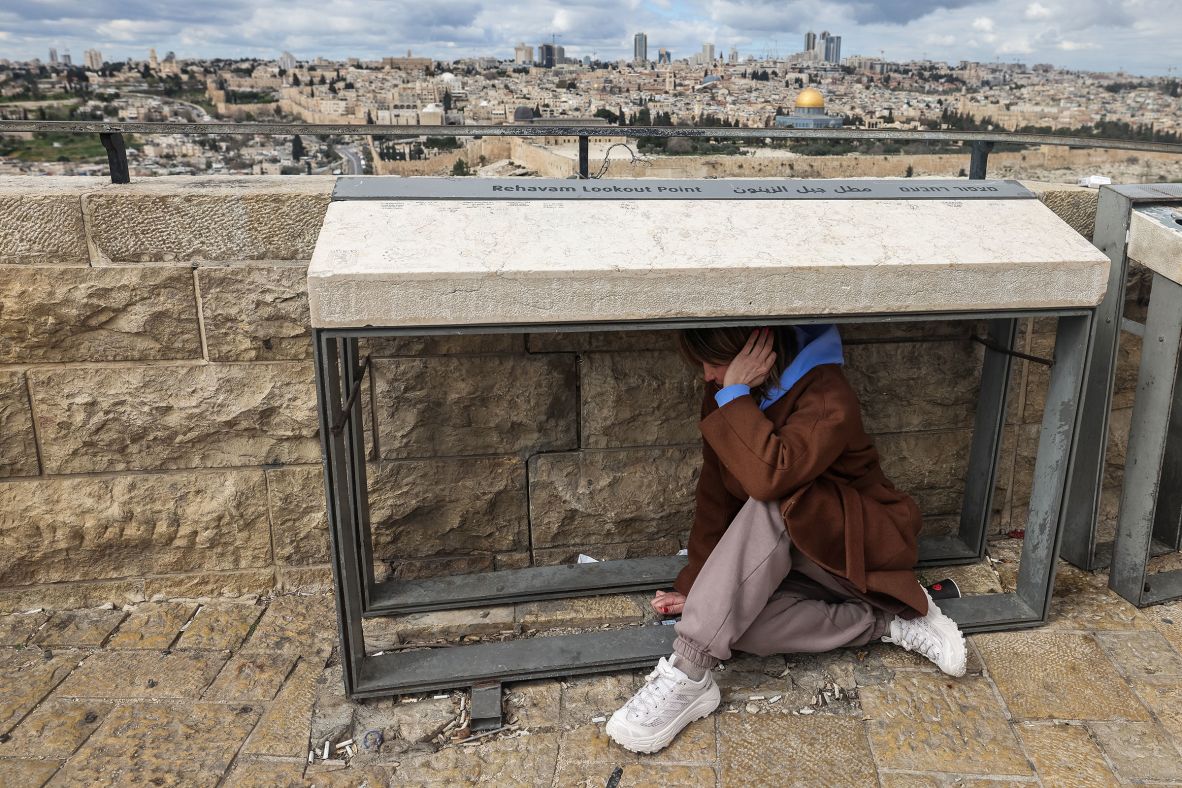
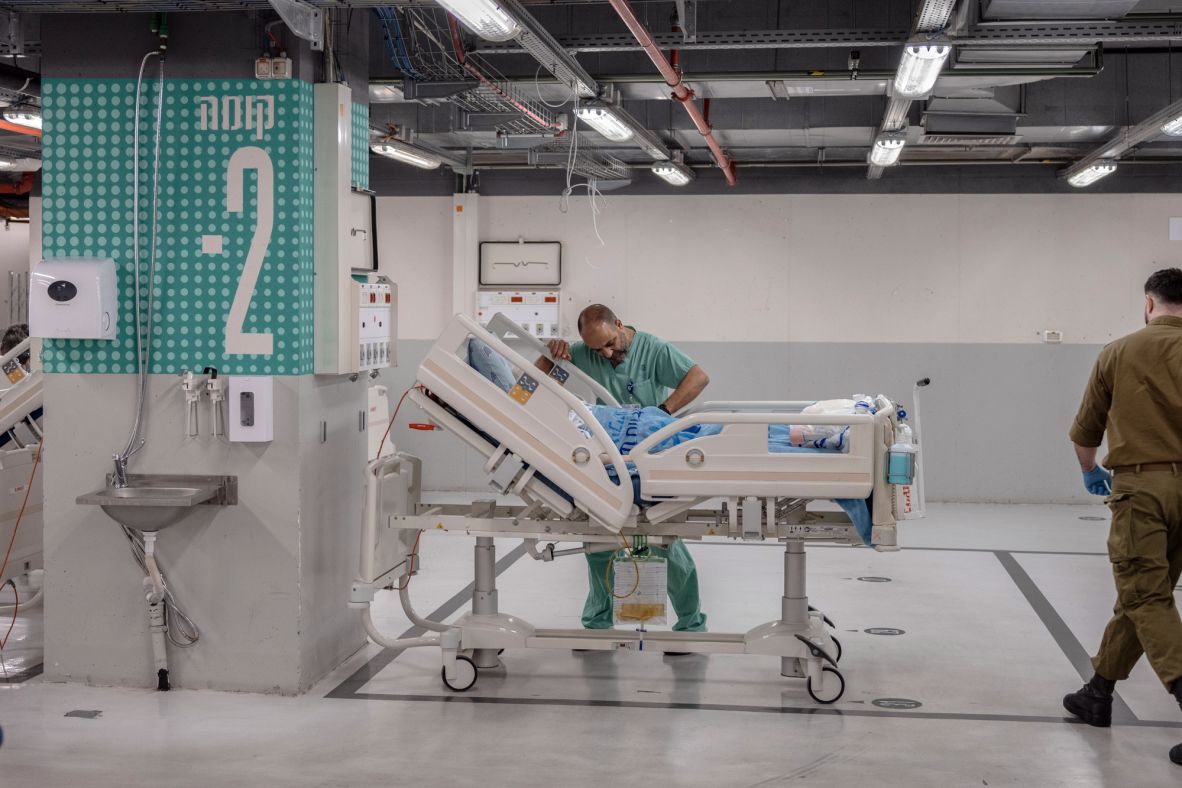
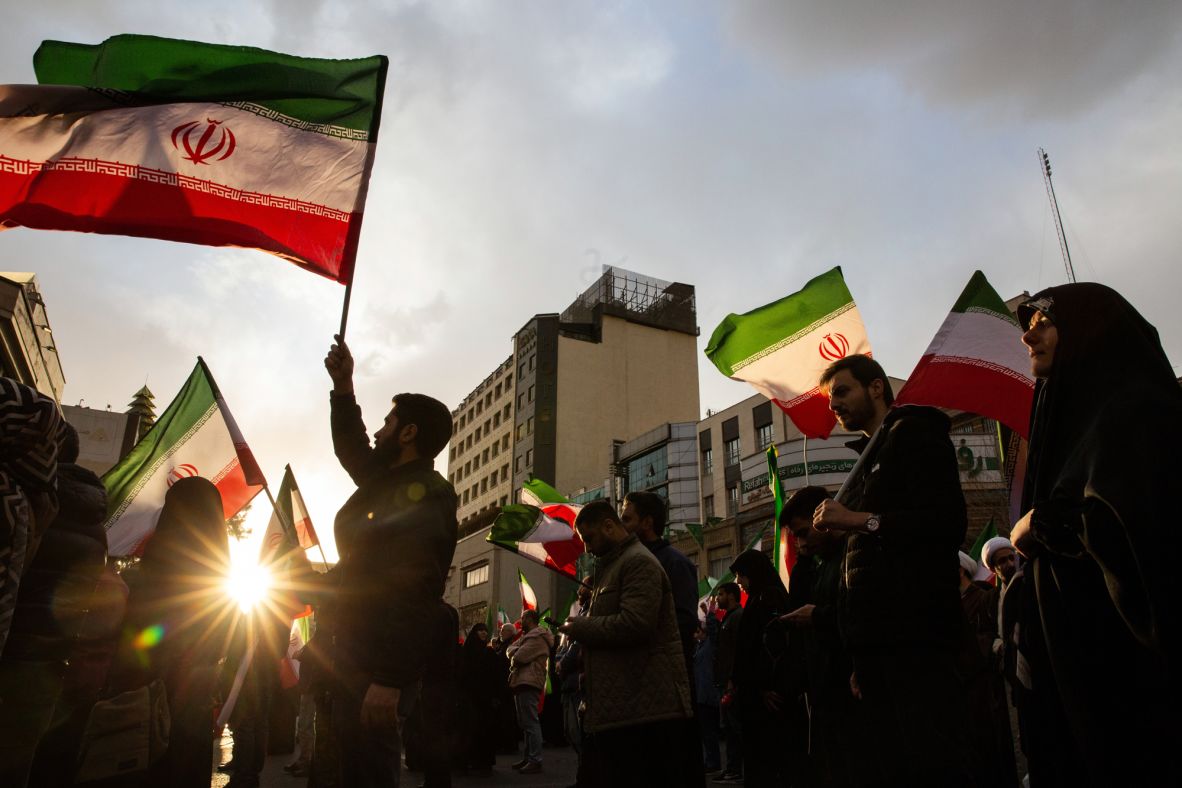

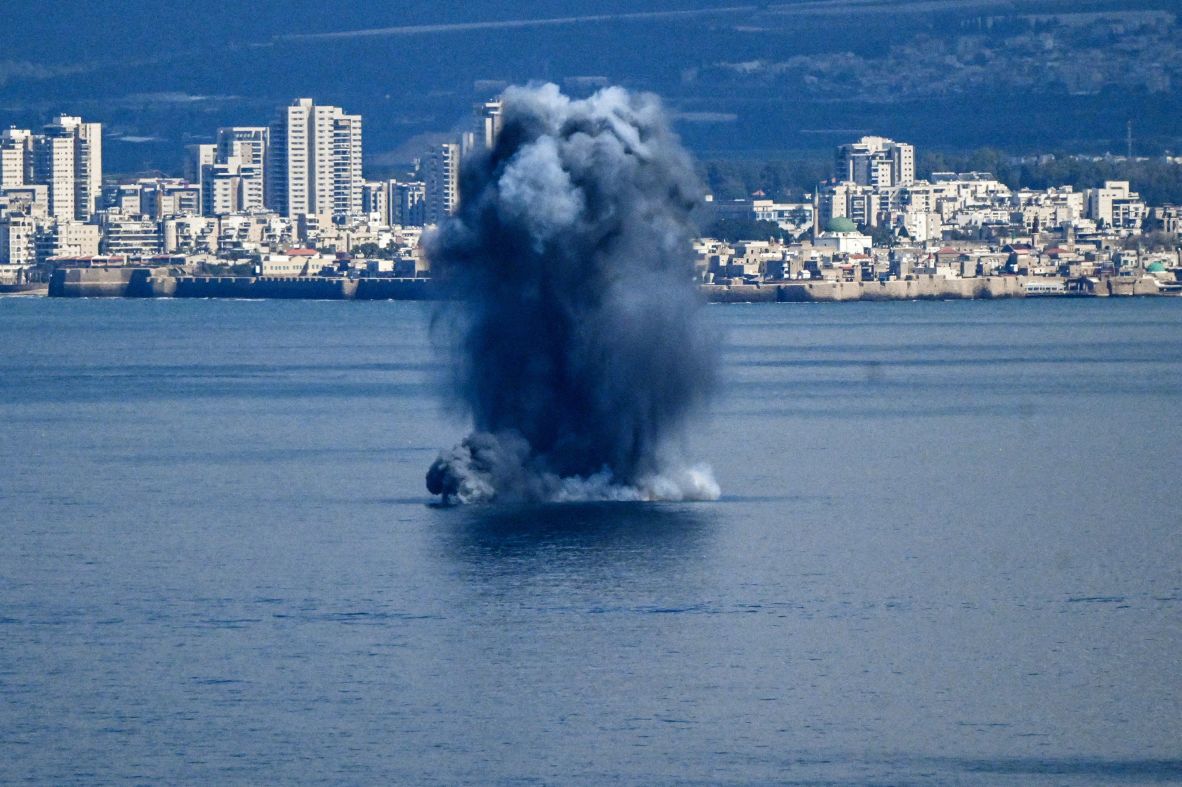
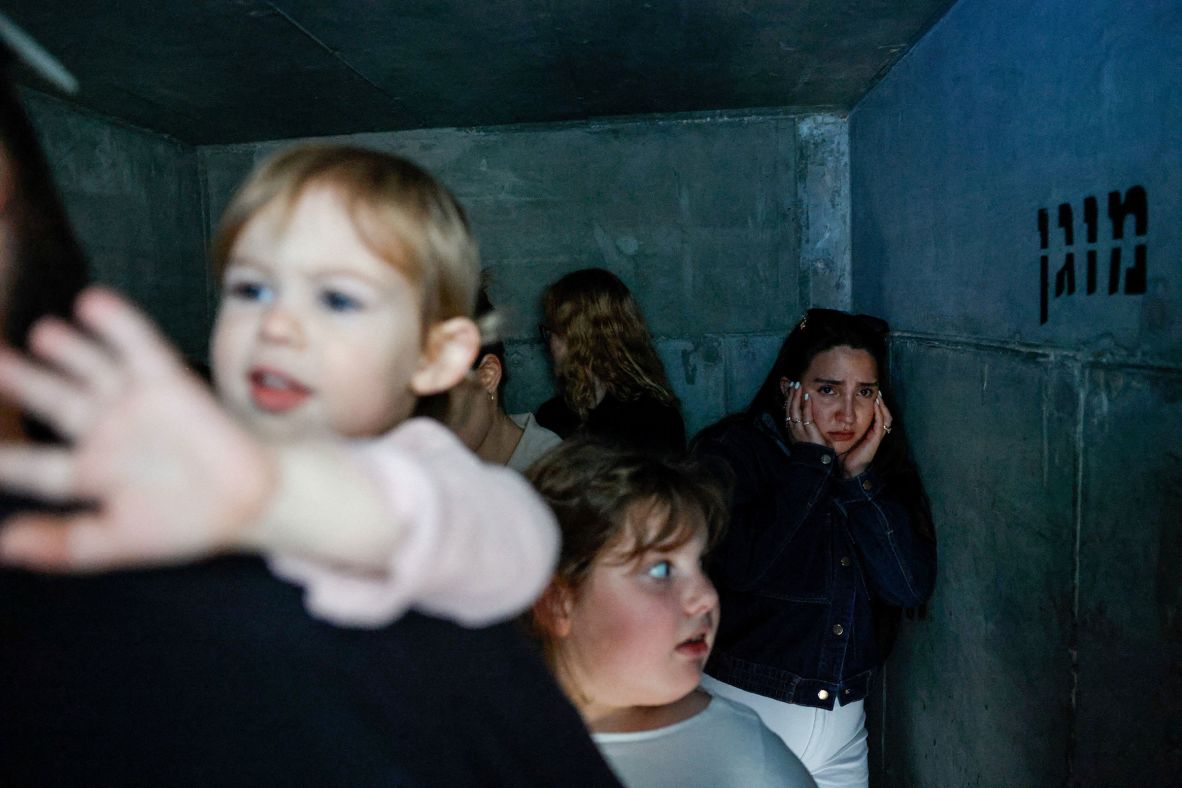
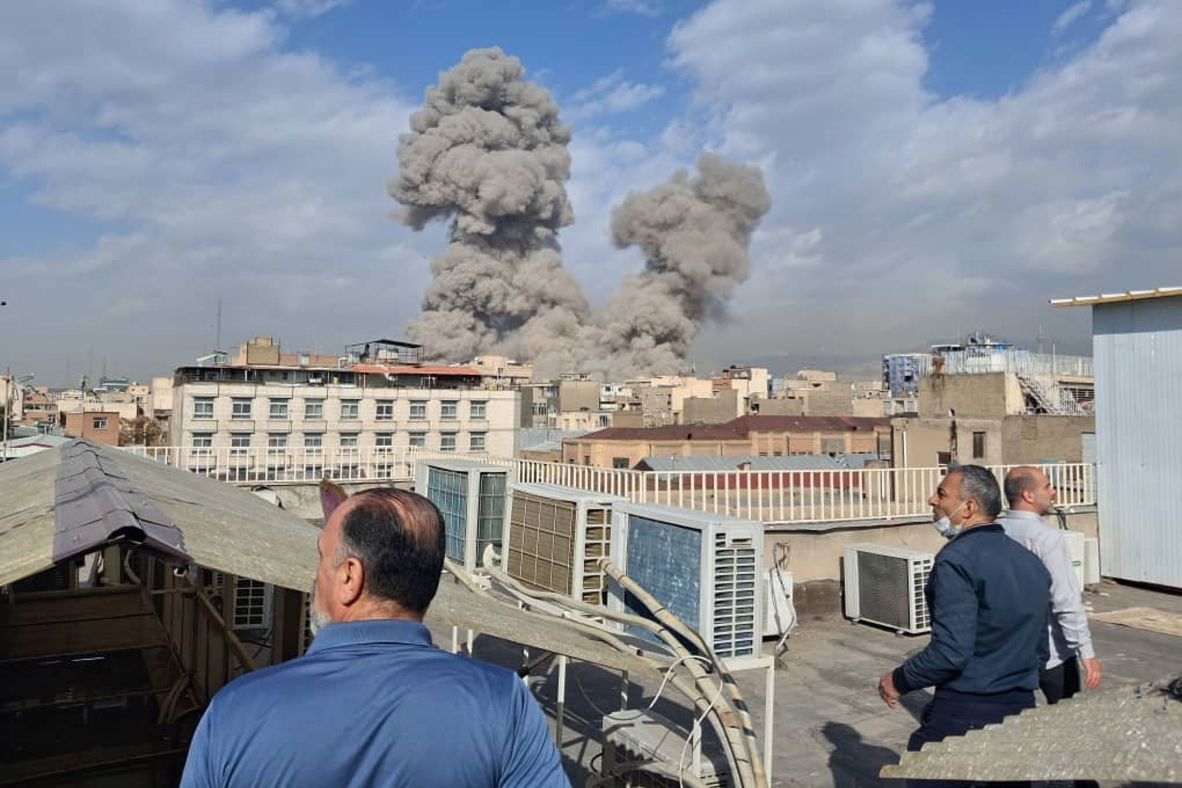
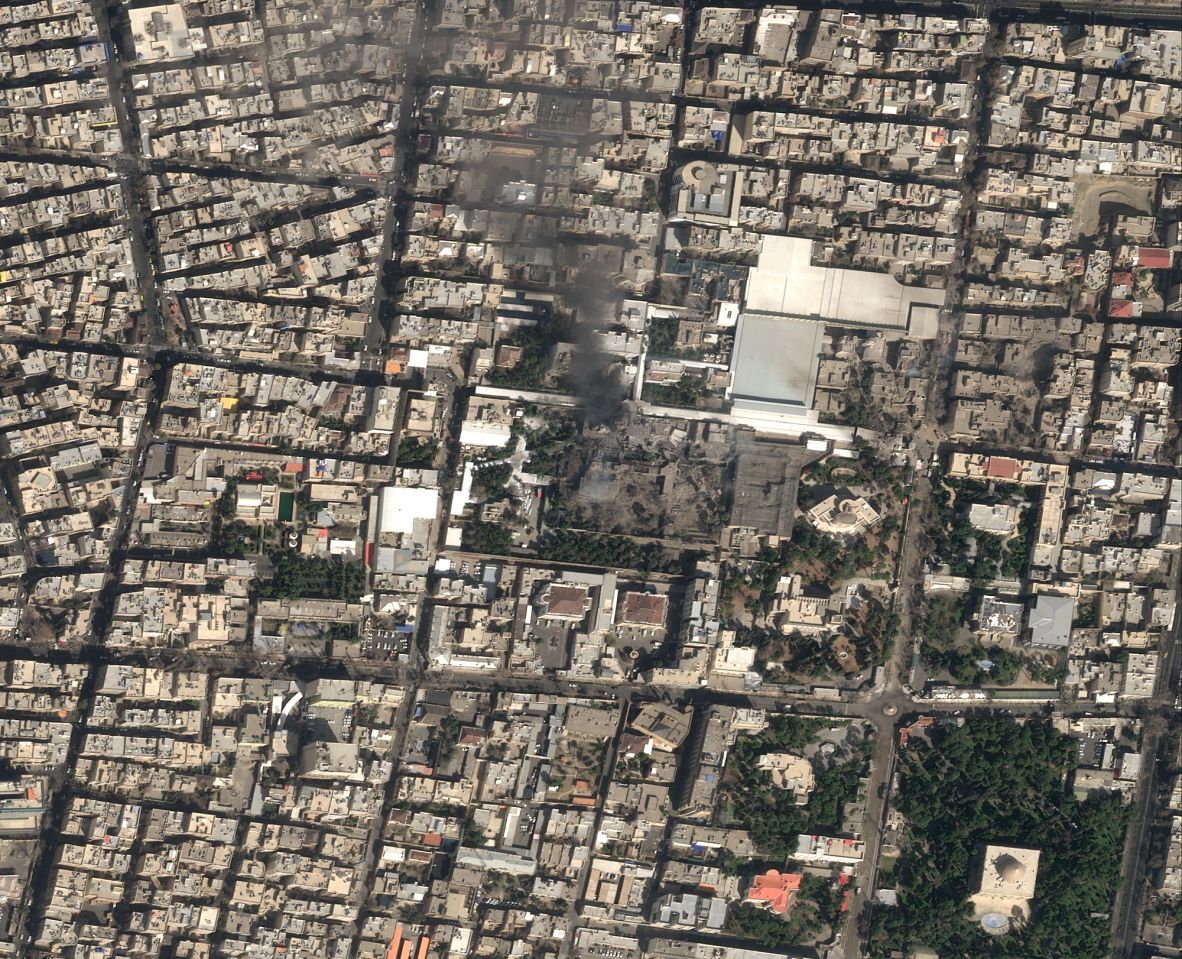
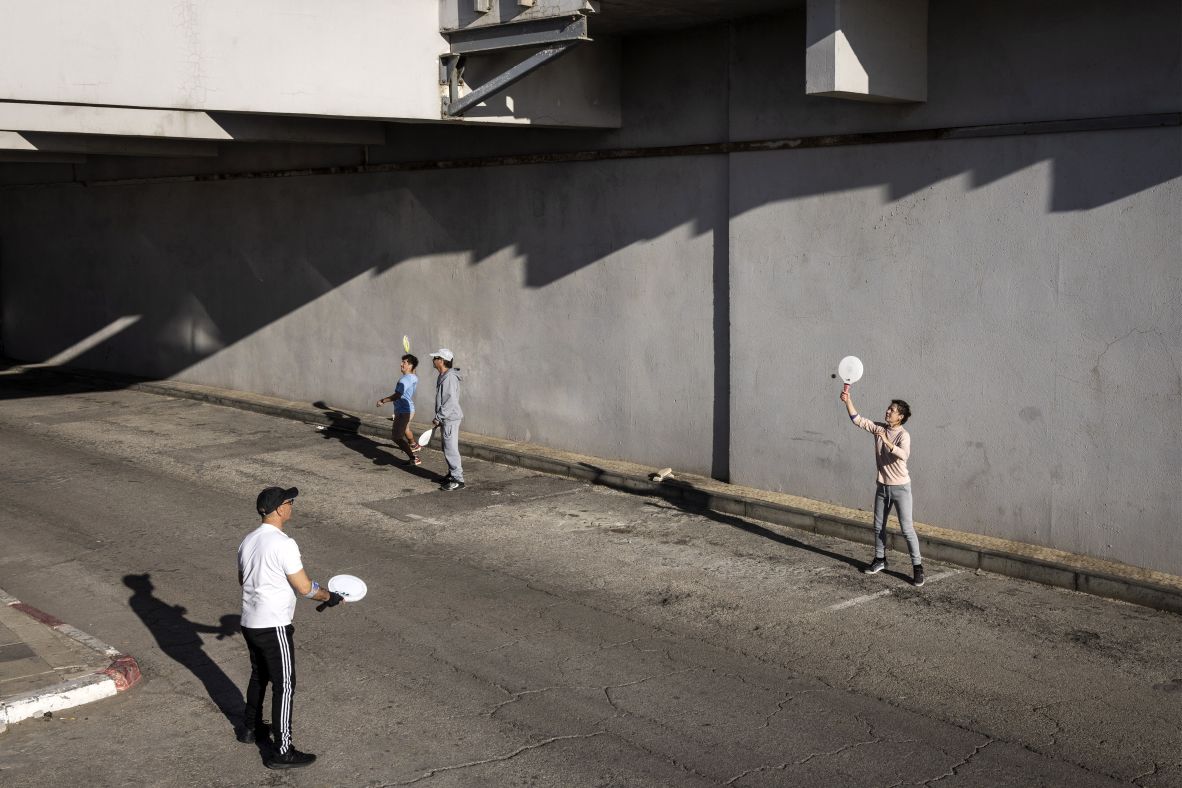
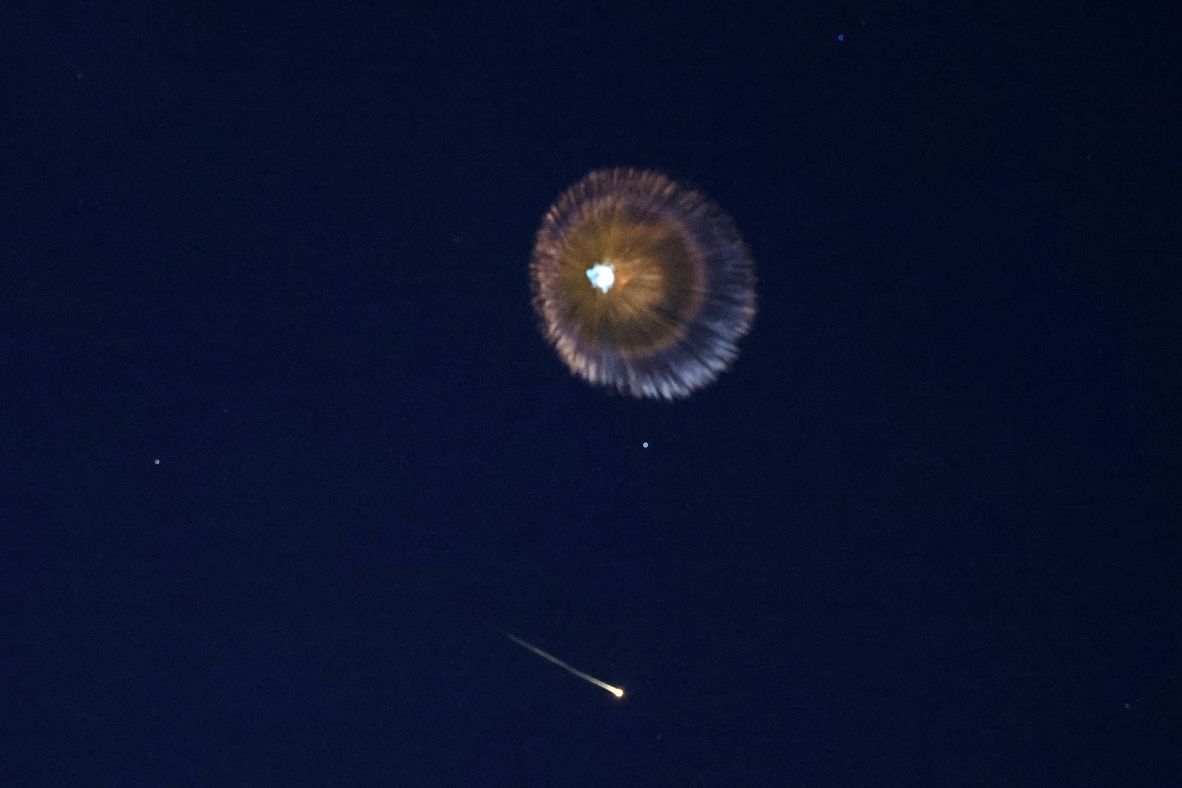
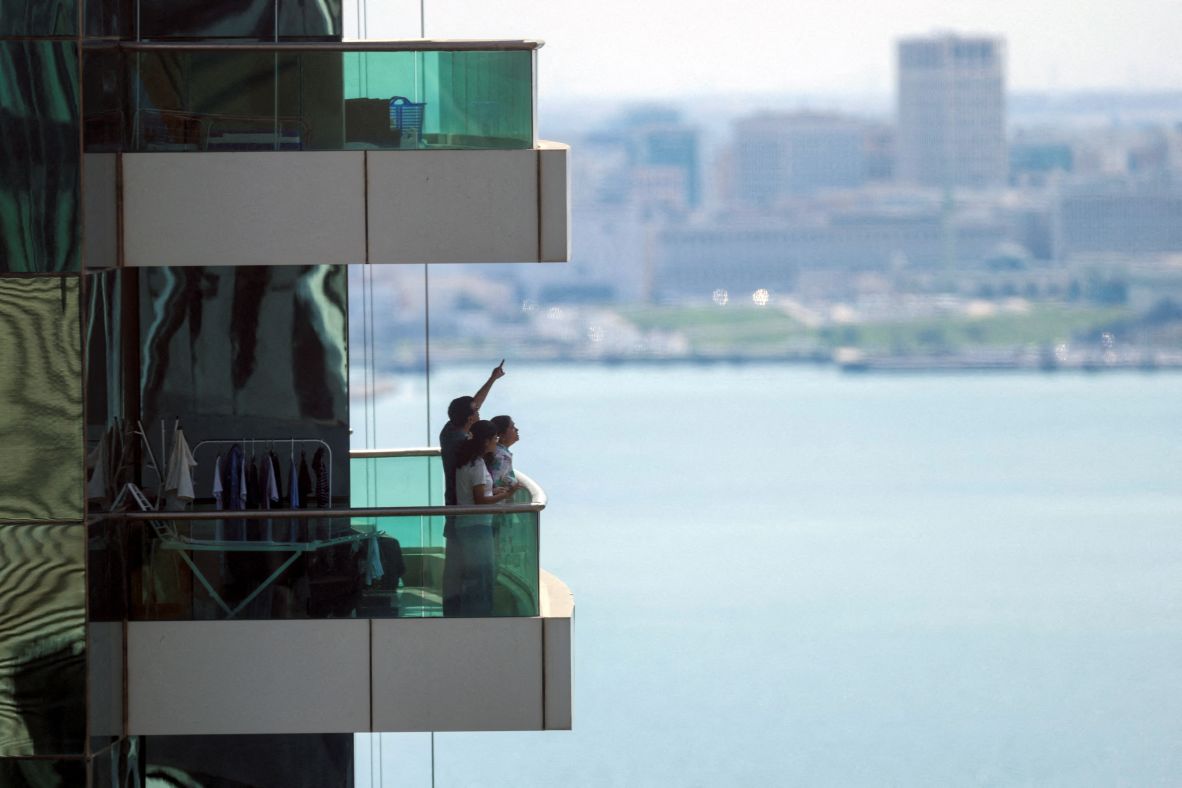
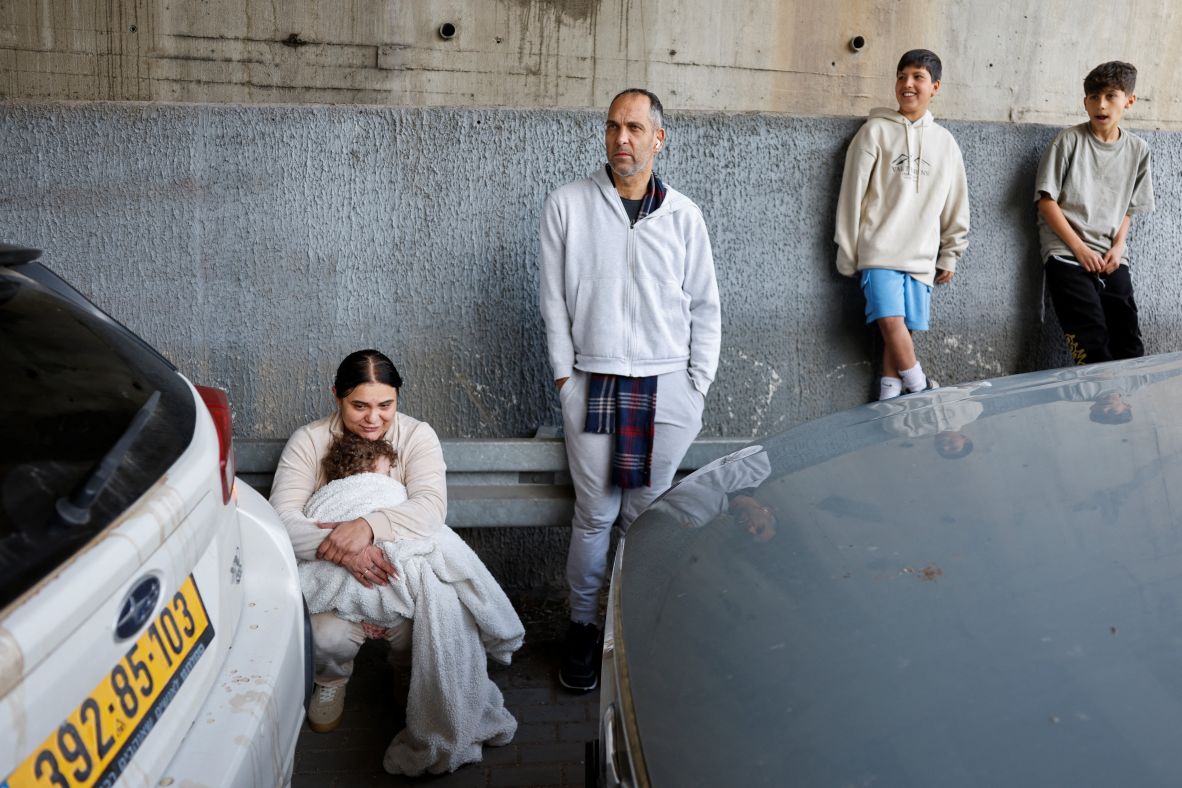
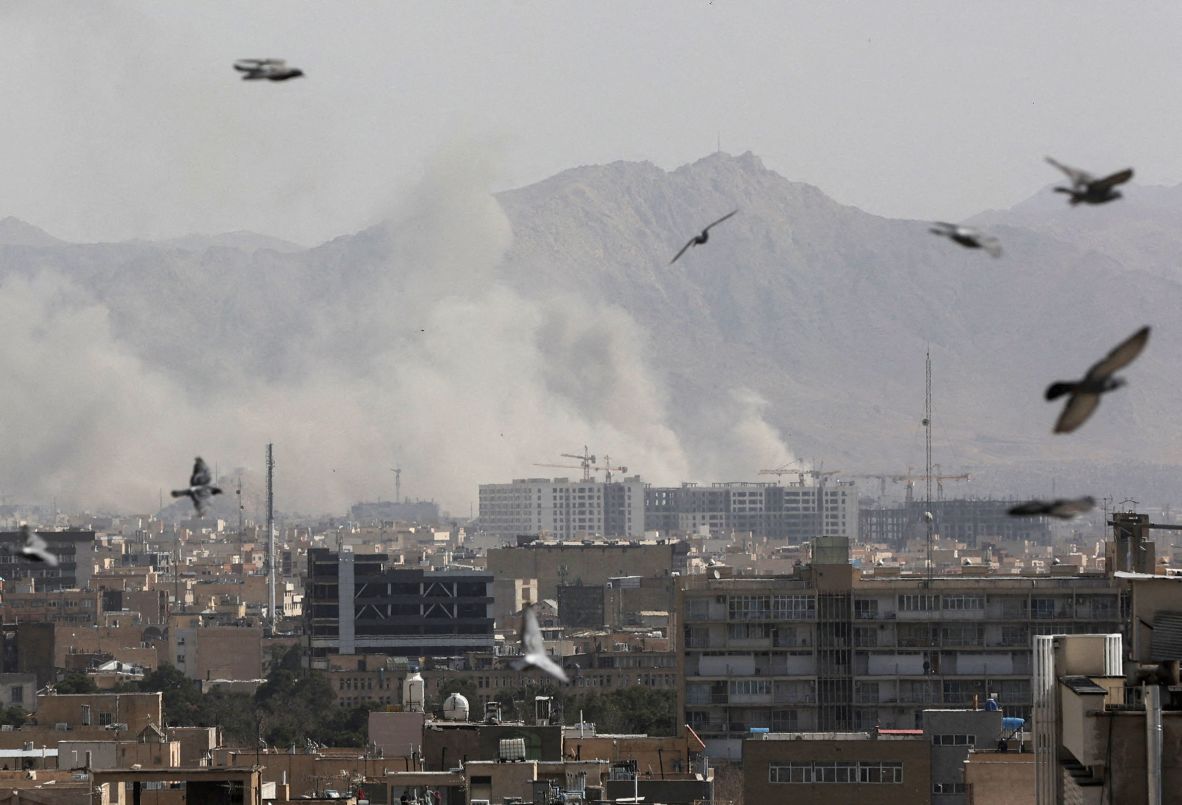
In pictures: War in the Middle East after US-Israel strikes on Iran
The war has punctured the sense of security that long attracted Westerners to countries like the United Arab Emirates, Qatar, Bahrain and Saudi Arabia. And in some corners, there has been frustration that the US has not paid sufficient heed to warnings that a military confrontation with Iran could have catastrophic results.
“Now you can put (up) a map of the region, and you will not be able to find a space where escalation is not happening,” Qatar’s Foreign Ministry spokesperson Majed Al-Ansari said this week. “This is the biggest ‘I told you so’ in the history of ‘I told you so’s’.”
That escalation is evident on multiple fronts – Israel has taken advantage of the moment to implement plans for a renewed assault against Hezbollah, the Iranian-allied militant group in Lebanon. On March 2, less than 48 hours after Israel and the US launched their coordinated strikes on Iran, Hezbollah retaliated, firing six rockets into northern Israel – the opening the Israeli government was waiting for. “Faced with the window of opportunity created when Hezbollah chose to open a war, we have to use this moment to finish what we did not complete,” an Israeli military official told CNN.
The cost for Lebanese civilians, drawn into a war against their choosing, has been colossal. Authorities say nearly 800 people have been killed and hundreds of thousands displaced.
On Capitol Hill, both Republican and Democratic lawmakers have pressed top Trump officials in classified briefings on the war’s objectives and timeline, as well as longer-term plans for managing the various ripple effects around the world.
They’ve received little in the way of specifics, according to several lawmakers in the room. During one briefing four days into the war, Secretary of State Marco Rubio, accompanied by several top Pentagon officials, told members gathered in a cavernous auditorium at the Capitol that he couldn’t predict how long the war would go on.
Rubio said he was “not going to be able to put a timeline” on the operation, according to one attendee, despite Trump himself declaring from the White House hours earlier that it would last four to five weeks. In that hours-long briefing, Rubio was grilled by Democrats, and even some Republicans, on next steps and long-term plans. Many left disappointed.
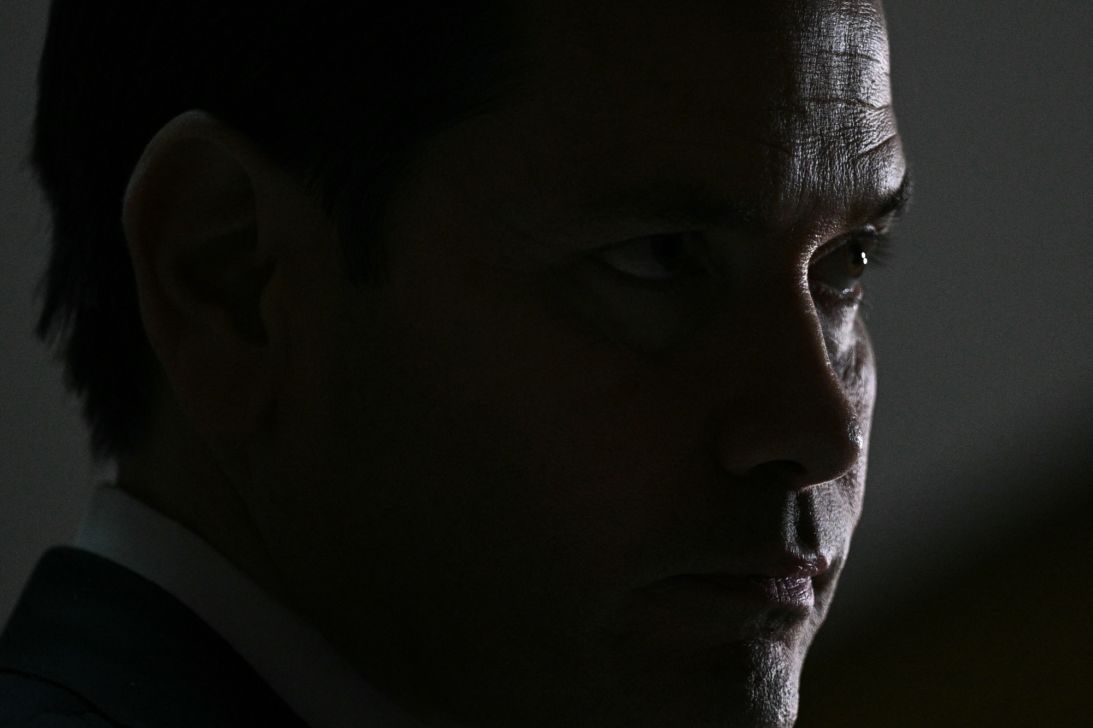
“I’ve been alarmed by a lot of what I’ve heard in not just the lack of clarity but also the failure to have any idea about what success is,” Sen. Richard Blumenthal, a Democrat who sits on the Senate Armed Services Committee, told CNN. “And the increasing concern I have is that Iran may not want to end the war when we do. And they have a vote.”
Compounding concerns, lawmakers have pressed for answers on what led the US to strike an Iranian girls’ school that killed at least 168 children.
Even the small bloc of pro-Israel Democrats who have supported the war are now wavering, saying they’ve lost confidence in the White House since the early days of the conflict.
“I said this to them last week: ‘You have to lay out your mission,’” one member said, speaking on the condition of anonymity to discuss private conversations. “They’re all over the map. They’ve got to get their s*** together.”
Republicans in Congress have largely deferred to Trump and his team on the first stages of the war, rejecting an official push to rein in his authority and placing trust in officials’ descriptions of the operation as limited and short in duration. But even they have signaled that their patience could soon be exhausted as the war drags on and midterm elections inch closer.
Rubio and Secretary of Defense Pete Hegseth have sought to advance a set of clearer, more pragmatic goals for the conflict: Eliminating Iran’s ability to develop and launch ballistic missiles, destroying its navy and wiping out its ability to develop a nuclear weapon. Leavitt told CNN that the administration still estimates that the war will take four to six weeks to complete.
But Trump has repeatedly contradicted them when pressed, raising questions as to whether any of his top aides truly have a handle on how the coming weeks will play out.
Trump has suggested at various points that he wanted to play a hands-on role in choosing Iran’s leader, has refused to rule out the prospect of sending troops into the country and offered conflicting timelines for ending the war.
“We’ve already won in many ways,” Trump told House Republicans at their retreat in Florida earlier this week. “But we haven’t won enough. We go forward more determined than ever to achieve ultimate victory that will end this long-running danger once and for all.”
That path to “ultimate victory,” no matter how Trump ends up defining it, faces perhaps no more immediate threat than the worsening crisis in the Strait of Hormuz, people familiar with the internal deliberations and outside foreign policy and energy experts said.
The narrow waterway off of Iran’s southern coast is a conduit for roughly 20% of the world’s oil, making it the key economic chokepoint in the region. The risk of disruption to shipments through the strait has long been seen as one of the biggest risks tied to any war with Iran, for fear its prolonged closure could spike energy prices and send economies around the globe into a tailspin.
“The key element of consistency throughout all administrations is that the US will step in to ensure the flow of energy through the Strait of Hormuz,” said Gregory Brew, a senior analyst who specializes in oil and gas at political risk firm Eurasia Group, calling protecting the strait “one of the core strategic tenets of policy in the Middle East.”
In the run-up to the war, Trump officials weighed the possibility that Iran would effectively halt traffic through the waterway, people familiar with the internal deliberations said, but underestimated Iran’s willingness to do it. Some were comforted by Iran’s decision not to disrupt oil shipments in the wake of last year’s bombing of its nuclear sites, believing that closing the strait would be so painful to the Iranian regime that it wouldn’t take such a destructive step.
But they were wrong.
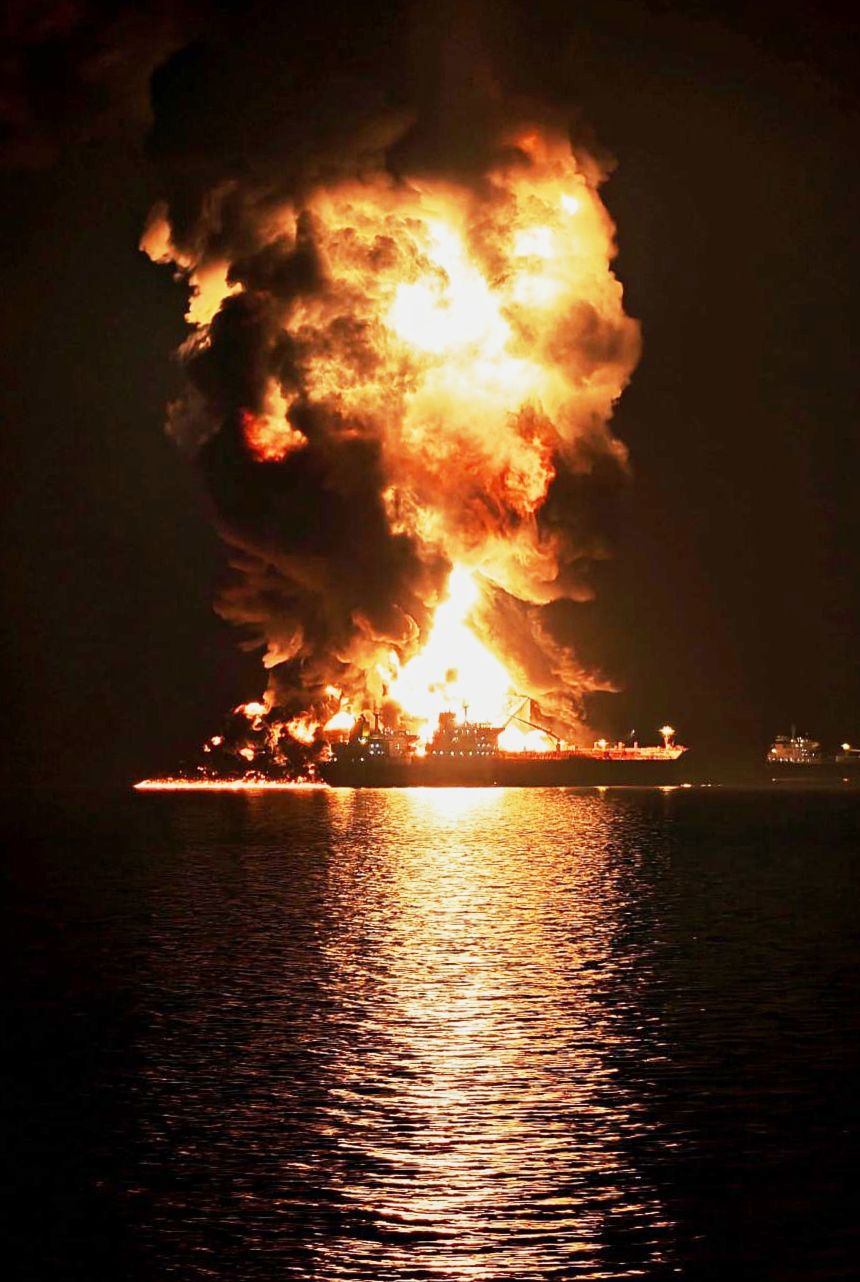
Iran’s retaliation and threats brought traffic to an effective halt within days, cutting off the supply of as much as 20 million barrels of oil a day to the world economy. The consequences have rippled across global financial markets and into American consumers’ daily lives, driving up oil prices and, with it, the price of gasoline.
On Friday, the average per-gallon price of gas in the US stood at $3.63, an increase of 65 cents since the war began and the highest level in nearly two years.
Within the Republican Party, the surge has undercut a core element of its political pitch ahead of midterm elections focused chiefly on the cost-of-living, erasing all the progress made toward lower gas prices since Trump took office.
And inside the Trump administration and other Western governments, officials are now racing to mitigate the fallout, seeking any options for bolstering supply and alleviating price spikes.
Senior Trump officials, who had downplayed the economic effects in the war’s first days, began pressing aides for a wider set of ideas last week as oil prices neared $100 a barrel.
But that push has so far fallen flat. A $20 billion offer to insure ships that transit the strait has not attracted any apparent takers — a reluctance reinforced by fiery strikes on tankers that did attempt to pass through the waterway earlier this week.
In a sign of how fast the situation has devolved, after days of ruling out the prospect of releasing US strategic oil reserves, US officials abruptly shifted their position. During a Wednesday meeting, US officials began pressing allies hard to start a coordinated release of roughly 400 million barrels, one person familiar with the matter said.
The release — the biggest in the history of the 32-member International Energy Agency — has done little to ease the crisis in subsequent days. The only clear solution, analysts said, is the full resumption of shipping through the Strait of Hormuz — but few expect that to begin again until the war is over.
One option that Trump floated more than a week ago — using the Navy to escort ships through the strait — is not yet available.
In daily calls with US military officials, energy industry representatives have asked for Navy escorts.
But officials have turned them down, said people familiar with the conversations, citing the need for the Navy’s warships to carry out missions elsewhere — and reasoning that the strait is still too unsafe even for US military boats, much less massive oil tankers.
On Friday night, Trump took a major step in attempting to change that dynamic. Shortly after telling reporters that the Navy would begin escorting ships “soon,” he announced the bombing of Iran’s Kharg Island, which handles the majority of the nation’s oil exports.
In a Truth Social post, Trump threatened to go even further and take out the island’s oil infrastructure next if Iran did not reopen the strait.
“I have chosen NOT to wipe out the Oil Infrastructure on the Island,” Trump wrote. “However, should Iran, or anyone else, do anything to interfere with the Free and Safe Passage of Ships through the Strait of Hormuz, I will immediately reconsider this decision.”
Inside the administration, officials have worked to keep open a range of paths for the war, in an effort to provide Trump maximal flexibility and out of an awareness that he could settle on a direction at any moment.
The president has monitored the turbulent oil and stock markets and heard warnings about the potential political fallout, though some of his advisers have gravitated toward rosier individual poll results as opposed to the widespread surveys showing a clear majority of Americans opposed to the war.
But Trump has also repeatedly insisted that the war’s aims are worth the “short-term” pain that it’s caused Americans at the pump and the uncertainty rattling nations across the world. He’s largely brushed off efforts to pin down his future intentions, in favor of insisting that everything will work out in the end.
Among allies who are more pessimistic about the direction of the war, the disconnect between Trump’s rhetoric and the complex reality on the ground has spurred questions about whether his aides are giving him the unvarnished truth.
“He’s always a very optimistic guy,” said one Trump adviser, who worried the fighting could end up further hardening Iran’s view of the US. “My big fear here wasn’t the military action. My big fear was who comes next behind us.”
Yet as the war pushed toward its third week, Trump has appeared more invigorated by celebrating his present successes rather than grappling with the uncertain path ahead.
Asked Friday in an interview on FOX Radio when the war will be over, Trump responded: “When I feel it. Feel it in my bones.”
CNN’s Jennifer Hansler, Annie Grayer, Nic Robertson and Tal Shalev contributed to this report.
First Appeared on
Source link






