


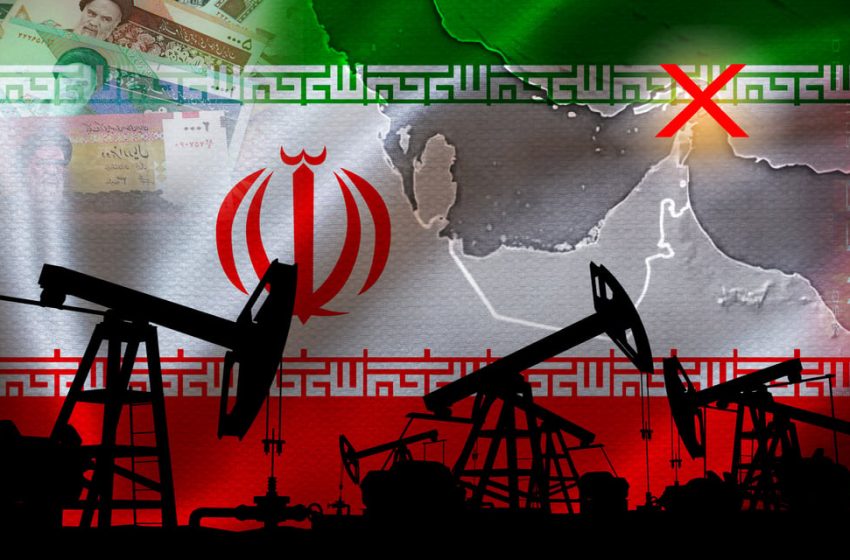
Iran Has Rejected the U.S.’s Ceasefire Proposal. Here’s What That Could Mean for Oil Stocks in the Coming Weeks.
The U.S. offered Iran an olive branch earlier this week in an attempt to end the war that has roiled the energy markets. It proposed a 30-day ceasefire to negotiate an end to the fighting. However, Iran has rejected that offer, stating it would “end the war when it decides to do so.” That reescalated the public war of words between the two countries, with President Trump responding by threatening even more devastating attacks.
Iran’s public rejection of the U.S. ceasefire proposal sent oil prices back up today, with Brent oil, the global benchmark, topping $100 a barrel again. Here’s a look at how this rejection could impact oil stocks in the coming weeks.
Will AI create the world’s first trillionaire? Our team just released a report on the one little-known company, called an “Indispensable Monopoly” providing the critical technology Nvidia and Intel both need. Continue »
Military attacks by the U.S. and Israel on Iran caused the country to retaliate by attacking the oil market. It has struck oil tankers trying to exit the Persian Gulf through the Strait of Hormuz. That narrow passageway handled 20% of the world’s oil and liquified natural gas (LNG) volumes before the war began. However, due to insurance issues and attacks by Iran, very few ships have sailed through the Strait since the war began a few weeks ago. As a result, energy prices have surged, with Brent rising from $60 a barrel at the beginning of the year to nearly $120 a barrel at one point.
Iran has also attacked the energy infrastructure of neighboring countries. These strikes have damaged key infrastructure, notably in Qatar. According to QatarEnergy, Iranian attacks damaged two of the country’s 14 LNG trains (U.S. oil giant ExxonMobil (NYSE: XOM) has minority stakes in both facilities) and two gas-to-liquids facilities. As a result, 17% of its production capacity will be offline for repairs over the next three to five years. Qatar is one of the world’s top LNG producers, accounting for 20% of global capacity.
The U.S. is weighing several potential military options if Iran isn’t willing to negotiate, including attacking its energy infrastructure. That would likely provoke a retaliatory response against additional energy infrastructure in the Persian Gulf while also keeping the Strait closed to tanker traffic. These actions would undoubtedly raise energy prices further.
That would likely drive up oil stocks. While Brent has surged about 70% this year, most oil stocks haven’t gained quite that much. For example, oil giants ExxonMobil and Chevron (NYSE: CVX) have gained about half as much, surging by more than 35%. That’s due to the market’s expectation that oil prices will fall when the conflict subsides. Oil futures contracts reflect this view. Brent contracts that expire this fall currently trade in the mid-$80s.
First Appeared on
Source link






