


‘Iran is being destroyed before o
The New York Times later reported it had spoken or corresponded with 15 Tehran residents describing the events. “I have lost my concentration; I don’t know what will happen to us,” Golshan Fathi wrote in a text message from the bathroom where she was sheltering with her daughter. “I’m very, very worried.”
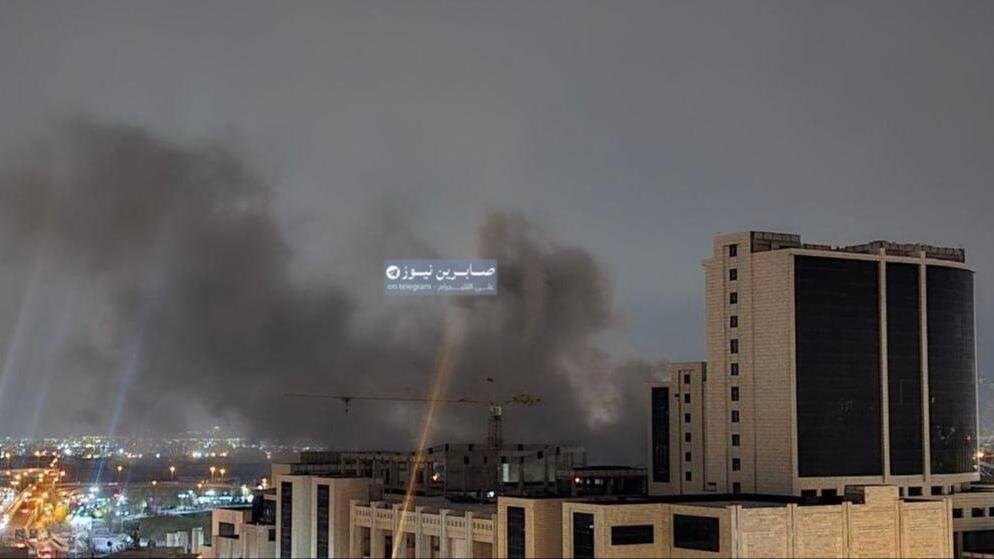
Another resident, Saghar, said her home shook from the bombardment to the point she feared it would collapse and bury her family. “I thought, ‘OK, it’s over. We are all dying’,” she said. “I don’t know what to say, what just landed was very near and terrifying.” Afshin, a 58-year-old businessman, added: “Iran is being destroyed in front of our eyes. What if we are left here to rot in the hands of this regime with no connection to the outside world?”
Israel and the United States say the strikes are targeting military sites, government facilities, industry and infrastructure. However, the International Organization for Migration estimates that more than 82,000 homes in Iran have been damaged since the opening strike on Feb. 28, affecting about 180,000 people.
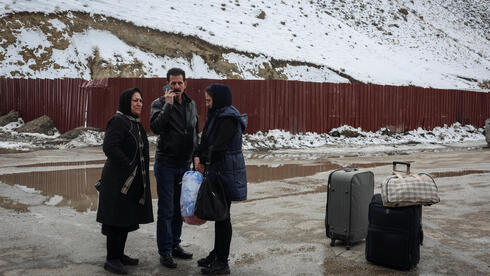
A report published over the weekend in The Guardian focused on civilians leaving Iran for Turkey via the Kapikoy border crossing, one of the few gateways to the West. The area, once busy with Iranian tourists traveling to the city of Van for shopping and nightlife, is now far quieter, though crossings continue.
According to the UN refugee agency, about 64,000 Iranians crossed into Turkey through Kapikoy between March 3 and March 30, while 48,000 returned to Iran. A spokesperson said the figure is relatively low compared to pre-war levels of about 5,000 crossings per day. Turkey has prepared contingency plans for a potential mass influx, including a buffer zone and tent cities for up to 90,000 people, though these have not yet been needed.
“Why am I leaving? Boom. Because of the war. Every night they are bombarding,” said Amir, a 33-year-old Tehran resident who asked not to be fully identified. A foreign exchange and cryptocurrency trader, he said he can no longer work due to widespread internet shutdowns imposed by authorities since the war began. “No internet, no job,” he said.
Amir did not express anger toward Israel or the United States, saying instead: “We must want to get rid of the regime. Thank you to Trump. I hope [the bombing] is working. Every night, bombs. Nearby cities, industrial areas and military bases, completely destroyed.”
The report noted that those crossing at Kapikoy tend to be more Western-oriented, often educated and financially stable, and may not reflect broader public sentiment in Iran. Some declined to speak to reporters, and one woman stopped mid-interview after being told the journalists were from Iran International, which Tehran designates as a terrorist organization.
A pharmacologist from Tehran, traveling to visit her three daughters in Europe, said she plans to stay for three months. “All of the people live with anxiety,” she said. “I don’t like Trump but it is right this time for the Iranian people. We are very tired about the revolution of [the] Islamic republic of Iran. Most people like Trump because he might change the regime. We are very tired.”
Mohammad, 42, who runs a tourism business, said he left for Turkey en route to Oman. “I have had to completely close the offices,” he said. “I have said to my staff to go and just rest for minimum two months and after that I don’t know what will happen. I am sure that for one year I cannot do anything. Our house is near to the airport. Each night you hear the big noises. More than a hundred times we have had the bombings. Each night I hear the big noises and then boom, boom. It was very hard for the first three days, but after four, five days it is normal to your mind … I am not sure about the future but I am sure about this point: the war is not good.”
A 39-year-old Tehran resident traveling to Istanbul said that while daily life continues, fear sets in at night. “The people live day by day, go shopping, but at night we are a little bit scared,” she said. “I hope for a change to the regime.”
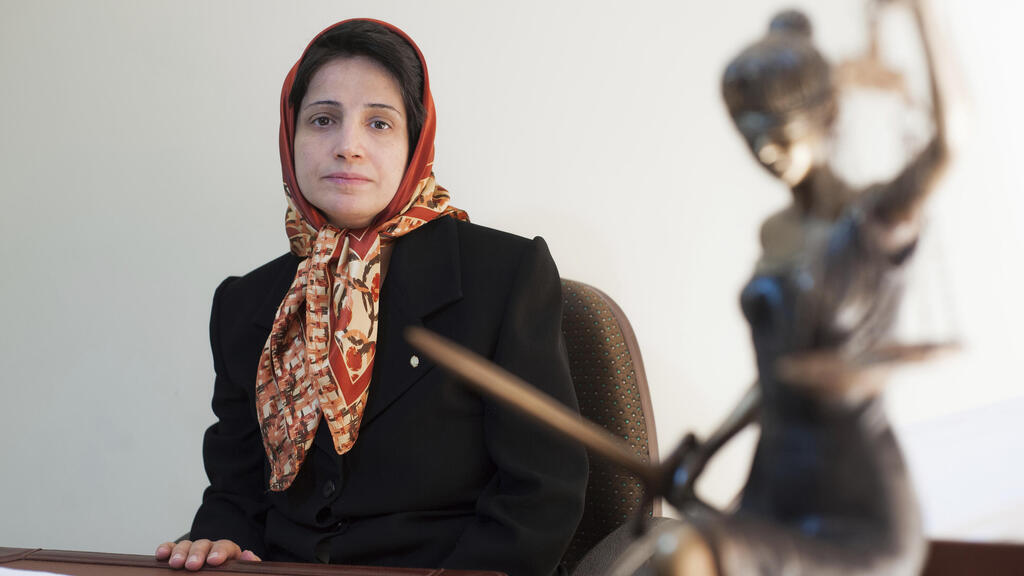
The Associated Press reported that Iranian authorities arrested prominent human rights lawyer Nasrin Sotoudeh, 64, at her home in Tehran. According to her daughter, who lives in Amsterdam, intelligence agents carried out the arrest Thursday. Sotoudeh has represented activists, opposition figures and women prosecuted for removing their headscarves. She has been imprisoned multiple times in the past and had been released on health grounds until this week. Her husband, Reza Khandan, also a rights activist, is imprisoned in Tehran’s Evin prison.
First Appeared on
Source link






