


Is Eating An Apple A Day Actually Healthy? A Dietitian Weighs In
- Apples are packed with fiber, vitamin C, and antioxidants that can support heart health, immune function, and gut health.
- According to nutritionist Lauren Manaker, eating an apple every day can be a healthy habit for most people.
- The main caveats are to wash apples well and to avoid overdoing it if you have a sensitive stomach or IBS.
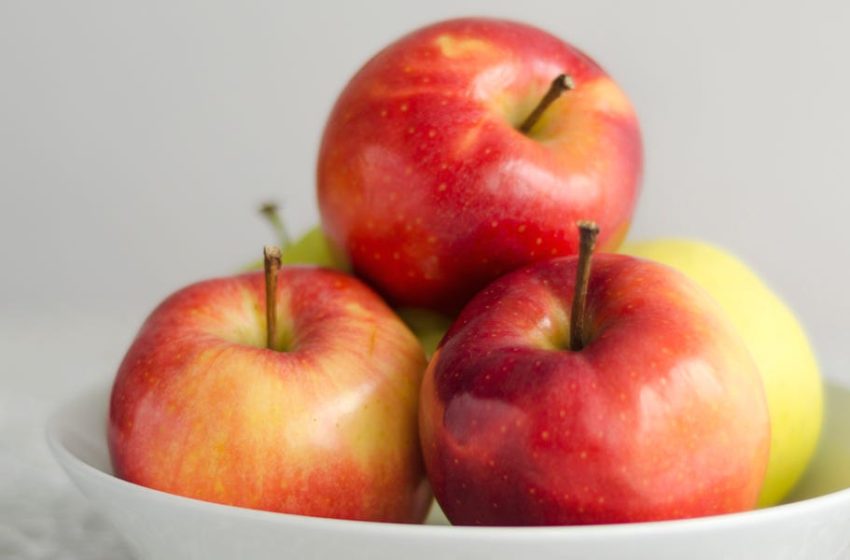
The CDC recommends that adults eat between one and a half and two cups of fruit each day. Depending on your go-to picks, that can add up to quite a bit of produce! You can meet at least half of that requirement with one apple, which counts as about 1 cup of fruit. After all, you know the old adage: An apple a day keeps the doctor away.
But the question still stands: Even though fruits, apples included, are healthy overall, is it actually a good idea to eat one every single day? To dig deeper into what our bodies really need, we reached out to nutritionist Lauren Manaker,MS, RDN, to find out whether an apple a day will truly keep the doctor away.
What Are The Health Benefits Of Apples?
“Apples offer a range of health benefits, including supporting heart health, supporting immune function, and reducing inflammation,” Manaker shares. She credits vitamin C with supporting the immune system and flavonoids, a type of antioxidant, with helping lower the risk of heart disease.
While the nutrient content can vary by apple type, a medium Golden Delicious is mostly water. A single apple contains roughly 96 calories, 23 grams of carbs (17 of which are sugar), and about four grams of fiber. That fiber, especially soluble fiber such as pectin, can help regulate blood sugar levels and support gut health.
Is It Healthy To Eat An Apple Every Day?
“Eating an apple every day can be incredibly healthy, as apples are a nutrient-dense fruit full of fiber, vitamins, and antioxidants,” Manaker says. “Since most people don’t eat the recommended servings of fruits and veggies daily, making a habit to have an apple a day can be a good thing.”
Just don’t forget to wash them. “Eating unwashed apples may pose a risk of pesticide exposure, so washing them thoroughly is recommended,” she notes. Apples often appear on lists of produce with higher pesticide residues, such as the Environmental Working Group’s “Dirty Dozen.” Rinsing them under water and, when possible, choosing organic varieties can help minimize exposure.

Can You Eat Too Many Apples?
“While apples are healthy, over-consuming them in excessive amounts could lead to excess calorie intake or digestive issues due to their high fiber and natural sugar content,” Manaker explains.
For most people, it’s hard to overdo it to the point of causing harm. However, she cautions that too much fiber and natural sugars could cause mild discomfort for those with IBS or more sensitive stomachs.
The Bottom Line
An apple a day can be a healthy habit and offer real benefits, but variety still matters. Enjoy your apple daily—just don’t let it be the only fruit in your rotation. Your doctor—and your gut—will thank you.

Lauren Manaker M.S., R.D.N., L.D., C.L.E.C. is a registered dietitian based in South Carolina. She earned a bachelor’s degree in Food Science and Human Nutrition at the University of Florida before going on to complete her master’s and dietetic internship at Rush University Medical Center. Manaker received the Emerging Professional in Women’s Health Award from the Academy of Nutrition and Dietetics in 2018 and provides her expert advice at CNN, Women’s Health Magazine, SHAPE, The Oprah Magazine, and Cooking Light.
First Appeared on
Source link






