


Israeli, US brain study shows one system can ‘take the wheel,’ offering new clues to
A new study by Israeli and American researchers suggests that one chemical system in the brain can effectively “take the wheel” of another, offering a new explanation for disorders such as obsessive-compulsive disorder, depression and Parkinson’s disease.
At the center of the findings is the dorsal striatum, a brain region critical for habit formation and decision-making. The study shows how coordination between different chemical systems in this region can become disrupted, making it difficult for the brain to control behavior.
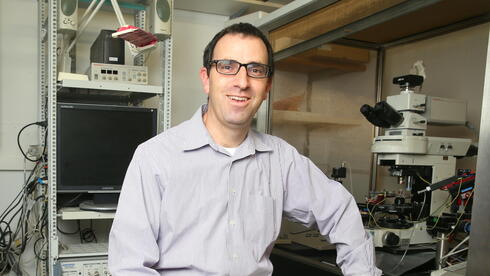
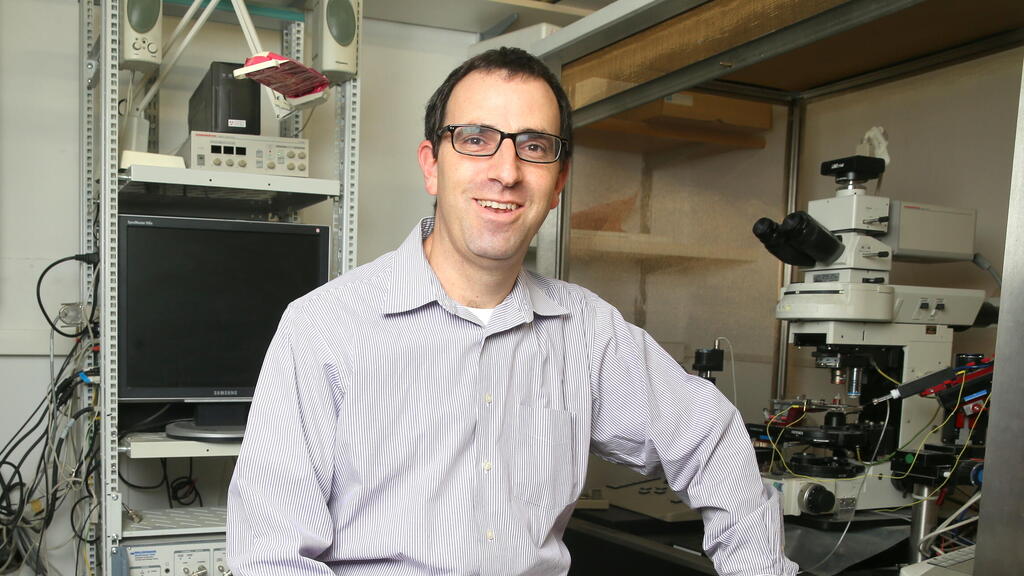
“Compulsions, such as repetitive checking or washing, are thought to arise from abnormal activity in circuits of the dorsal striatum that control habitual behaviors,” Goldberg said.
Using advanced imaging techniques and optogenetics, a method that allows scientists to control brain cells with light, the researchers examined the role of acetylcholine, a chemical that transmits signals between nerve cells.
They found that acetylcholine can directly trigger the release of serotonin, a neurotransmitter closely linked to mood and psychiatric disorders.
“This showed that acetylcholine does not just talk to serotonin,” Plotkin said. “It can actually take the wheel.”
For decades, scientists have known that acetylcholine interacts with dopamine, another key brain chemical involved in reward and learning. But evidence of its direct control over serotonin had been limited.
The new study connects those “breadcrumbs,” as Plotkin described earlier findings, into a clear mechanism.
3 View gallery

New brain mechanism may explain OCD and depression, point to new treatment approaches
(Photo: Shutterstock)
When acetylcholine-producing cells are activated, nearby serotonin fibers respond almost instantly, releasing their own signals. This not only increases serotonin levels but also expands the area in which it acts.
The researchers found that in models linked to OCD, this system becomes overactive. Acetylcholine levels rise sharply, forcing excessive serotonin release.
“What our work suggests is that in these pre-clinical models of OCD behaviors, acetylcholine is elevated. It’s very, very high,” Plotkin said.
This points to a different way of understanding psychiatric disorders, not simply as chemical imbalances, but as breakdowns in coordination between systems.
“The inability to properly select appropriate actions is at the crux of many neurological disorders, perhaps most notably OCD,” Plotkin said.
The findings may help explain why compulsive behaviors are so difficult to stop, even when individuals recognize they are harmful.
The researchers showed that when they blocked the receptors responsible for this interaction, the effect disappeared entirely, reinforcing the idea of a direct and controllable mechanism.
3 View gallery

Mice prone to compulsive behavior showed increased activity of the new brain mechanism, similar to what is seen in OCD
(Photo: Shutterstock)
“This is the first time we’ve demonstrated a direct mechanism in which acetylcholine controls serotonin release in the striatum,” the researchers said.
External experts also described the findings as significant.
Jun Ding, a neurology professor at Stanford University who was not involved in the study, said the research demonstrates that specific neurons using acetylcholine can directly trigger serotonin release, and that the interaction becomes stronger in models of OCD.
The implications could extend beyond OCD.
Current treatments for many psychiatric disorders, including OCD and depression, focus on regulating serotonin levels. But the new findings suggest the problem may lie in how brain systems interact, rather than in a single chemical alone.
“Current pharmacological treatments for OCD only benefit a fraction of patients, and cure even fewer,” Plotkin said. “Better targets for treatment are desperately needed.”
The research team has already begun exploring the potential for future clinical applications.
While the study was conducted in laboratory models, the findings open the door to new approaches, including treatments that aim to adjust the interaction between brain systems rather than targeting each one separately.
“Understanding these interactions may help us better understand the circuit dysfunction underlying these disorders,” Goldberg said, “and could eventually point toward new ways of treating them.”
First Appeared on
Source link






