


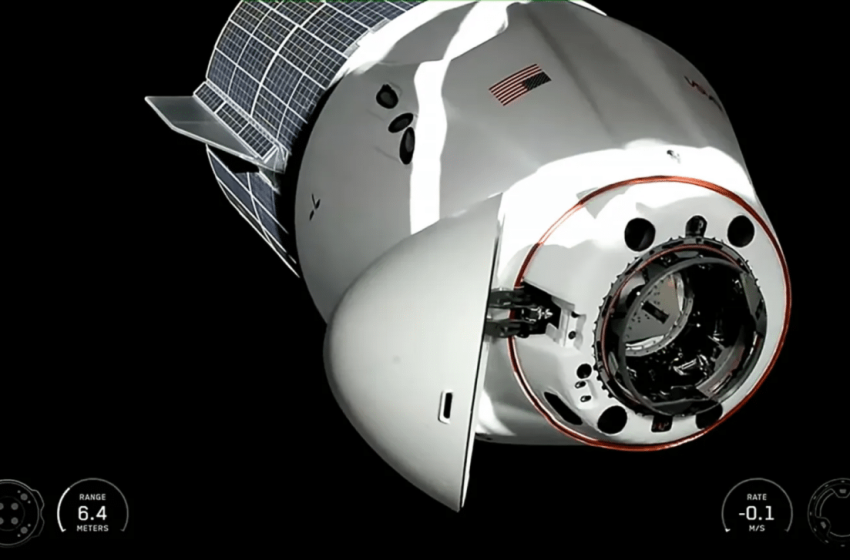
ISS Welcomes Four New Astronauts, Strengthening Crew for Key Scientific Missions
On February 14, 2026, four astronauts arrived at the International Space Station (ISS), restoring its crew to full strength after a health emergency forced an evacuation earlier in the year. The new arrivals include NASA’s Jessica Meir and Jack Hathaway, France’s Sophie Adenot, and Russia’s Andrei Fedyaev. This crew change follows a critical medical evacuation in January 2026, which left the ISS with just three astronauts for several weeks.
The Critical Medical Evacuation That Led to Crew Shortage
The incident that prompted the crew shortage aboard the ISS was a rare but important reminder of the unpredictable nature of space missions. In early January 2026, one astronaut aboard the ISS began experiencing a serious health issue that required immediate attention. The astronaut was evacuated, along with three other crew members, making this NASA’s first medical evacuation in 65 years of human spaceflight. While the exact nature of the health problem has not been disclosed, medical privacy protocols have kept the specifics under wraps.
This evacuation was a critical moment in the history of space exploration, as it resulted in a temporary shortage of crew members. With only three astronauts left onboard, one American and two Russians, the ISS’s operations were heavily impacted. Tasks such as spacewalks were postponed, and some research projects were reduced or delayed. The evacuation forced NASA to rethink its contingency plans, underscoring the need for rapid response strategies and the ability to swiftly replace astronauts in case of emergencies.
As detailed by AP News, this medical issue emphasized the vulnerability of long-term space missions. It showed that even with rigorous pre-flight health checks and continuous monitoring, astronauts can face health challenges during their missions. The incident also prompted NASA and other space agencies involved to reexamine their emergency protocols to ensure that the ISS can remain operational, even in the face of unforeseen medical crises.
The Arrival of the New Crew: Diverse Backgrounds and Expertise
The arrival of the new astronauts was a moment of relief, not only for NASA but for the global space community. These astronauts were selected to bring a mix of expertise, ensuring that the ISS could continue its vital research and operations. Jessica Meir, a marine biologist and NASA astronaut, is returning for her second mission aboard the ISS. Meir is well known for participating in the first all-female spacewalk, and her research has contributed to understanding how space affects living organisms. Jack Hathaway, a captain in the US Navy, brings with him extensive experience in spaceflight and leadership.
Sophie Adenot, a military helicopter pilot, is the second French woman to fly in space. Adenot’s addition to the team brings a valuable aerospace perspective, and she will work alongside the other astronauts to maintain the ISS’s complex systems and conduct research. Andrei Fedyaev, a former Russian military pilot, is no stranger to space operations, having previously spent time aboard the ISS. His background in piloting and technical expertise will be crucial in keeping the station’s systems running smoothly.
The diverse backgrounds of these astronauts ensure that the ISS continues to be a place of collaborative international research, where space agencies from the United States, Russia, and France work together to push the boundaries of science. As they settle into their new roles on the station, these astronauts will begin conducting research in various fields, ranging from biology and physics to engineering and technology. This new team’s skills will not only restore the crew’s strength but will also enhance the ISS’s ability to contribute to scientific advancements.
First Appeared on
Source link






