


Kefir and Fiber Combination Triggers Massive Reduction In Inflammation (Better Than Supplements)
A new study pits the reigning champions of anti-inflammatory supplements against a “synbiotic” challenger. The results might change how we think about gut health.
Stopping Inflammation
We live in the age of inflammation. We don’t give it too much thought, but inflammation is the silent engine behind metabolic dysfunction, aging, and chronic disease. It’s like a silent alarm bell for the modern body, and it’s ringing constantly for millions of us. Trigered by stress, processed foods, and the wear and tear of life, inflammation can cause numerous long-term problems.
Scientists have known this for years, and there are some well-established methods of fighting inflammation. Like, for instance, Omega-3 supplements. But in a new study, researchers wanted to see whether we can do better. So they split participants into four groups:
- The Omega-3 Group (n=33): The standard bearers, taking 500mg of fish oil daily.
- The Inulin Fiber Group (n=31): Participants taking 20g of pure inulin fiber, a popular gut-health supplement known to fight some types of inflammation.
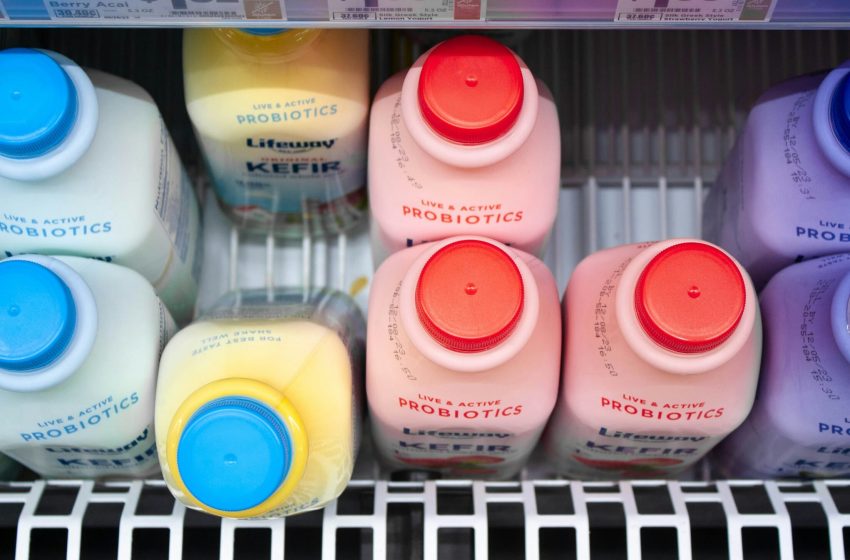
- The Synbiotic Group (n=20): These participants downed a daily “super-smoothie” containing 170ml of fermented kefir (loaded with live bacteria) plus 10g of a prebiotic fiber mix.
- The Control Group (n=20): No intervention.
The goal was to see which intervention could best lower systemic inflammation, measured by a massive panel of 92 different inflammatory proteins.
After six weeks, the results were clear: the synbiotic group was by far the most successful.
The Secret Combo
All three supplements helped significantly. However, the synbiotic approach reduced 75% more inflammatory markers than the fiber alone and a staggering 250% more than the Omega-3s.
“Our study shows that while all three dietary approaches reduced inflammation, the synbiotic — combining fermented kefir with a diverse prebiotic fiber mix — had the most powerful and wide-ranging effects,” said Dr. Amrita Vijay in the School of Medicine at the University of Nottingham.
The reason why it worked so well is synergy.
A probiotic is the live bug (the bacteria). A prebiotic is the food that bug eats (the fiber). When you take only probiotics, it’s like sending paratroopers behind enemy lines. When do you do the prebiotic as well, you give them a supply of rations. This ensures that the helpful bacteria can survive, thrive, and get to work.
But don’t throw away your omega-3 just yet.
Caveats and Potential
There are some caveats. The first is the sample size. The groups were relatively small (ranging from 20 to 33 participants), which can limit how broadly we can apply these findings. There wasn’t a placebo group, either. Then, there’s the age.
The participants in the Omega-3 and Inulin groups were drawn from the TwinsUK registry and were generally older (aged 60+) compared to the Synbiotic group, who were recruited from the general public (aged 18+). This may affect how their bodies react to inflammation.
But this study gives some ammo to the “food as medicine” crowd. You can’t fix everything with food, but healthy food (especially in combination with other healthy foods can make a big difference. Omega-3s and fiber remain vital tools, but this research suggests that combining fermented foods with the right fibers creates a biological one-two punch that isolated supplements struggle to match.
“This suggests that the interaction between beneficial microbes and dietary fiber may be key to supporting immune balance and metabolic health,” Vijay concludes.
Jornal Reference: Amrita Vijay, Liz Simpson, Melanie Tooley, Sarah Turley, Afroditi Kouraki, Anthony Kelly, Cristina Menni, Josh Armstrong, Shann Jones, Ana M Valdes. The anti-inflammatory effects of three different dietary supplement interventions. Journal of Translational Medicine, 2025; 23 (1) DOI: 10.1186/s12967-025-07167-x
First Appeared on
Source link







