


Lead Exposure: What To Know About Lead In Household Products
It’s hard to go on social media without seeing a video about something that’s supposedly harming our health, whether it’s food ingredients, makeup products or ― in the case of one viral Reel ― products from nationwide retailer HomeGoods.
An Instagram user known as The Lead Lady, who tests household items for lead after she says her daughter was lead poisoned, recently filmed herself testing dishes (teacups, mugs, plates, bowls) at HomeGoods. The video, which has been viewed by more than 15 million people, appears to show that multiple items in the store tested positive for the heavy metal. The products were tested with a consumer lead testing device that experts told HuffPost isn’t the most accurate way to detect lead; it’s unclear if these results were corroborated by a more formal testing source. It also appears the social media user partnered with the lead testing device brand for the post.
HomeGoods and The Lead Lady did not immediately reply to HuffPost’s request for comment.
While experts are unsure of the validity of the claims in the viral video, it is clear that millions of social media users are concerned about lead’s health risks. The heavy metal can cause serious health issues, particularly in kids. Here’s what to know about lead safety and the presence of lead in household items.
Consumer goods in the U.S. should not contain lead, but contamination happens.
“In the United States, consumer goods really shouldn’t have lead in them, but sometimes they make their way into the marketplace,” said Dr. Adam Blumenberg, an associate professor of emergency medicine and medical toxicologist at Columbia University Medical Center in New York.
“The most common sources of lead exposure are things like deteriorating indoor lead paint in older houses, for example, when that starts to peel and create dust,” said Dr. Diane Calello, medical director of the New Jersey Poison Information and Education System and an associate professor of emergency medicine at Rutgers New Jersey Medical School.
In addition to leaded pottery and leaded ceramics, “where lead is either in the paint or in the glaze, lead exposure can also happen from contaminated foods,” Calello said.
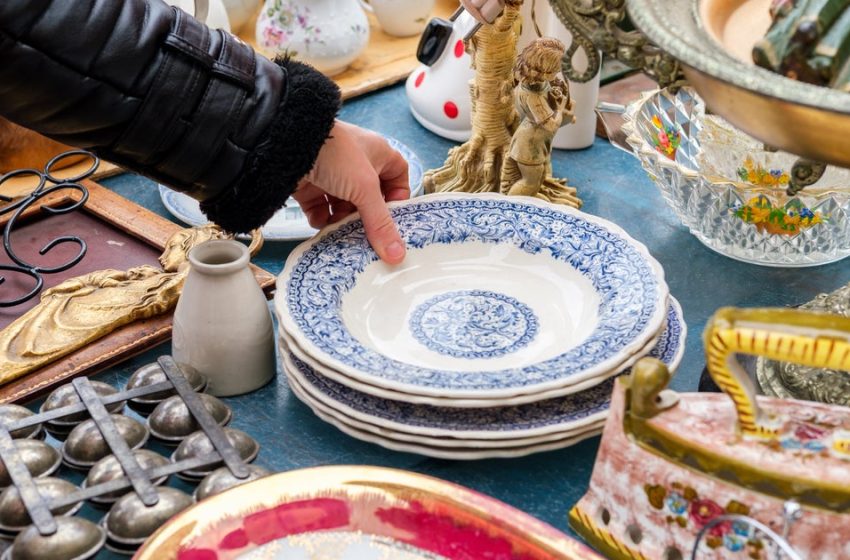
Contaminated products may inadvertently end up on store shelves if they come from a different country or are antiques.
“Antique or imported are the two primary things” that cause lead products to make it onto shelves, Calello explained, adding that most brands that follow U.S. manufacturing standards ― even brands outside the country ― typically don’t produce products that contain lead.
“If they are packaged for sale in the U.S., that generally confers a degree of protection, as opposed to buying a piece that doesn’t have a clear ‘where it came from’ and ‘how it got here,’” Calello noted.
The NYC Health Department has online resources on ceramics and lead, including which types pose the greatest risk.
“Traditional or handmade ceramic ware and metal dishware from other countries — including Mexico, Ecuador, Turkey, Morocco, Uzbekistan and India — may contain high levels of lead,” the health department website states.
“We actually do occasionally see people getting sick from these, and the reason is that certain foods can leach some of that lead out,” Blumenberg said. Acidic foods, such as tomato-based soups and sauces, can leach lead from glazes and contaminate the food. This is also true for citrus and sour foods, like lemons and limes, he said.
Elena Noviello via Getty Images
Lead exposure can cause health problems, especially in kids.
“Lead is ubiquitous in our environment,” Calello said. “Lead is found in the Earth’s crust. It’s just a naturally occurring element in our environment. We are all exposed to little bits of lead on a more natural basis, and our bodies are capable of excreting or eliminating a little bit of lead.”
But lead exposure beyond that could pose risks.
“Being exposed to lead is a health hazard, especially for young kids who are early in their stages of development,” said Dr. Matthew Correia, a toxicologist at Oregon Health & Science University. “It can affect things such as … your intelligence, it affects behavior. It can cause impaired thinking abilities and ability to focus.”
Lead is also “a risk factor for heart disease in and of itself,” Correia added.
Lead exposure can affect cognitive health in kids even at relatively low levels, according to Blumenberg. In adults, it can also cause abdominal pain, high blood pressure and nerve issues.
It is very rare, but excessive lead exposure can also be life-threatening.
“If someone has a very high amount of lead in their body, it can cause the brain to swell, and that can cause seizures and, rarely, death,” Blumenberg said.
Your lead levels can be checked through a blood test.
The particularly dangerous consequences to kids’ health are why parents are encouraged to bring children in for routine lead testing, which is done through a blood test.
“In fact, the blood-lead level is the best way to know if you’ve been exposed,” Calello said. “Children generally get it done at one and two years of age, and adults don’t routinely get tested for lead unless they’re in an occupation that poses a lead hazard.”
If someone’s lead level is zero, that means there’s no lead exposure. If there is a small amount of exposure, it’s generally treated by removing the source of lead, she said, “and then the body will generally just normally come back to a normal level.” For people with more extreme levels of lead, medication is sometimes necessary, Calello said.
While lead exposure is a real problem, and there is no way to guarantee that you’ll never come into contact with a contaminated item, it’s more likely that you won’t.
“Most household products that we eat food on and drink beverages from do not have lead,” Calello said.

Yasser Chalid via Getty Images
There are consumer tools that measure lead, but the most accurate tests are conducted by professionals.
Just because a consumer lead test detects lead doesn’t mean the results are accurate, so there is no need to panic quite yet.
First, the lead-detection tool used in the Instagram video was not approved by the government for testing lead contamination, said Correia. “From a regulation standpoint, it’s still kind of in early phases.”
It’s also unclear whether the consumer’s test results in the video were validated by a more official entity, such as the Environmental Protection Agency.
“There are more sensitive and specific and reliable measurement methods. It’s not exactly as accurate as the tools that we would normally use to determine if a piece of pottery or ceramics had lead in it,” Calello said of the test used in the Instagram Reel.
Also, while a consumer lead-detection test may indicate the possible presence of lead, it doesn’t indicate how much lead is present. Is it enough to actually be problematic? Is it in a part of the item that is even accessible and able to leach into food or drinks?
“So, there’s a lot more questions than just the ‘yes’ or ‘no’ that is shown in that video,” Calello said.
Your local public health department is the best place to determine whether an item contains lead, as it has access to accurate tests and can help explain if there is actually risk.
There are steps you can take to protect yourself from lead exposure.
“Just some broad strokes advice: I’d say, purchase from reputable sellers. There’s always some risk in life, so there’s no 100% solution here, but purchasing new plates from reputable sellers is an important way to do it,” Blumenberg said.
If you think you have a kitchen tool or serving item that contains lead, stop using it, per Calello. Then have the item tested by your local public health department or with EPA-approved lead-testing kits.
The consumer-based test kits can be expensive and, again, aren’t always accurate, so it’s worth talking to a professional about the item in question, Correia said.
If a family heirloom or a prized item purchased on a trip tests positive for lead, you don’t have to throw it away. Instead, keep it as a display piece. Eating off of it or drinking from it is where the real risk lies.
“If there’s any question … just about every region in the United States has a local poison center, and they’re available 24/7,” Blumenberg said. The toll-free phone number is 1-800-222-1222.
A professional can offer personalized advice rather than overarching advice from a video on social media.
First Appeared on
Source link






