


Man Snaps Pic Of Bird — And Realizes He’s Photographed The World’s Fastest Animal
Dr. Tim Henderson knows a lot about animals. As an ecologist for the Australian Wildlife Conservancy’s (AWC) Newhaven Wildlife Sanctuary, he’s committed his life to leading conservation efforts, helping threatened species thrive.
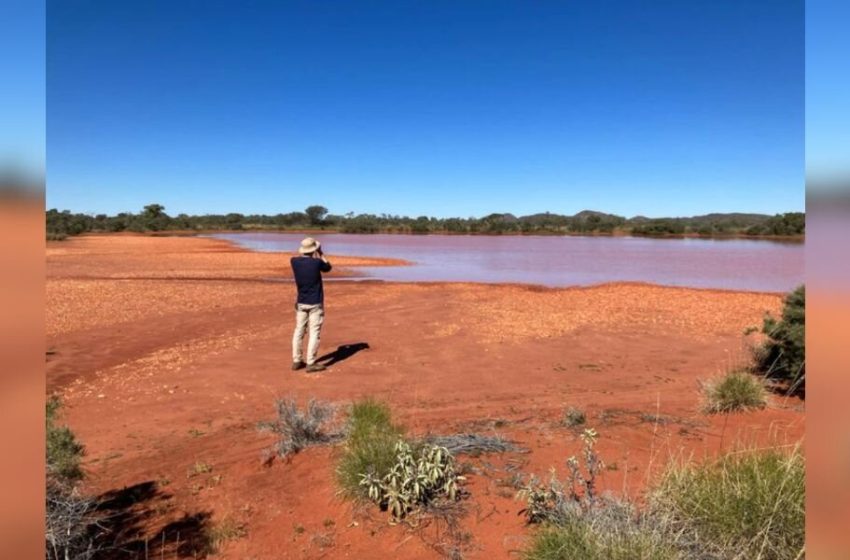
In his free time, Henderson is also an avid bird-watcher. Recently, the ecologist was out in Ngalia Walpiri and Luritja Country near Alice Springs when he noticed someone darting through the sky. Instinctively, Henderson grabbed his camera and snapped a photo.
Back at his desk later that day, Henderson took a closer look at the picture and realized something amazing. He hadn’t captured just any bird. He’d managed to photograph a Siberian peregrine falcon, the fastest animal in the world.
“I’m honestly amazed that the image didn’t come out blurry,” Henderson joked in a press release.
According to the Australian Museum, peregrine falcons are even quicker than cheetahs and can reach speeds of about 186 miles per hour while swooping through the air.
These birds of prey are found worldwide, though Siberian peregrine falcons typically live in frigid tundra ecosystems. This sighting marks the first time anyone has seen a Siberian peregrine falcon in Australia’s arid zone.
The ecologist suspects that the bird may have been drawn to the area by increased rainfall, which flooded local wetlands, creating a more suitable habitat for birds in a typically dry landscape.
“In 2024, we received 637 [millimeters] of rainfall, the most we’ve had in a year since 2001, and the [fifth] wettest year on record,” explained Henderson in the press release. “This filled the wetlands and created temporary water sources that were able to support large congregations of prey species, resulting in high raptor diversity.”
Earlier last year, Henderson captured a photo of a red goshawk, an extremely rare endangered bird. Thinking about these two moments, the animal lover can’t help but feel over the moon.
“I was thrilled to have captured both a sighting and a photograph of another bird rarely, if ever, seen in Central Australia,” Henderson said in the press release. “2025 really was a lucky bird year!”
First Appeared on
Source link






