


Many doctors lack menopause training. We can change that.
“It was a lovely spring day,” Lynn recalled. “Everything in my life was pretty normal, stable, nothing super different happening in my world, no drama for once. And I just felt, like, this panic.”
After collecting herself, she went home and told her husband something was wrong. She simply didn’t feel like herself and couldn’t put her finger on why. She was starting to suspect menopause thanks to recent conversations with a friend who was experiencing it.
“I made an appointment with a hormone specialist, but couldn’t get in for, like, three months,” she said. “I figured I could tough it out until then.”
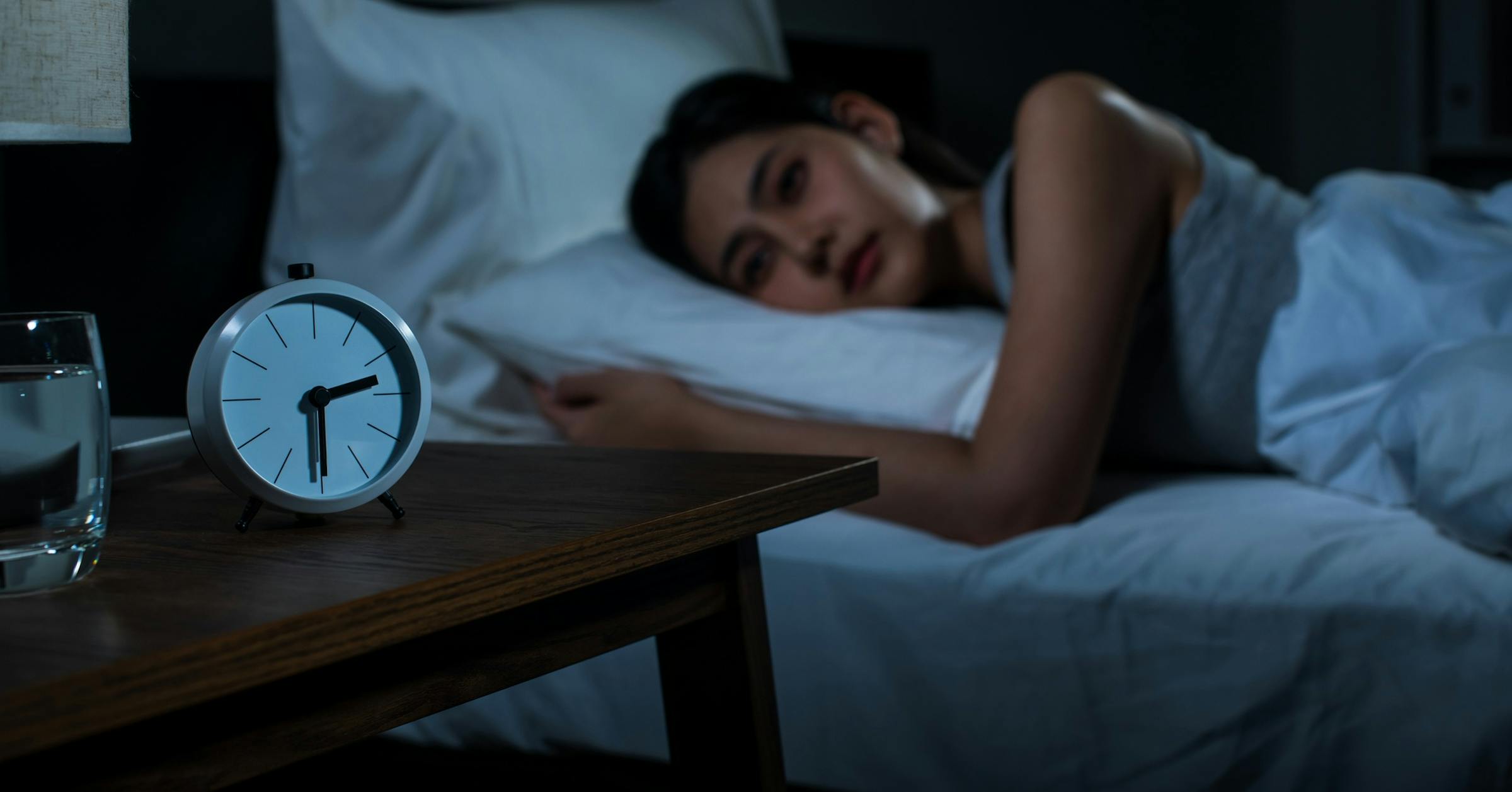
But when things continued to get worse, she booked the first appointment she could with a general practitioner in her network. Lynn shared a list of symptoms she’d been tracking including crying spells, a decline in self-confidence and self-worth, a heavier-than-normal period, memory fog, sleeplessness and a general decline in her ability to concentrate, multi-task and focus.
The doctor prescribed her the same sleep aid that mine did. She also doubled the dose of the antidepressant Lynn had been taking for years. The doctor then started scribbling on her notepad a laundry list of other things she should do including to practice mindfulness and gratitude, get outside and exercise more, eat more vegetables and protein, get more sleep and volunteer.
“I was so stunned — it was such a slap in the face,” she said, adding that despite her suggestion to the doctor that she may be in perimenopause, she was dismissed.
First Appeared on
Source link






