


Maryland health officials warn of upsurge in mumps cases in state
State health officials in Maryland are warning medical providers to be on the lookout for another viral infection this season — mumps, which causes fever and swelling and pain in the salivary glands in the neck.
There have been 14 infections this year, mostly in adults in the Baltimore metro area. That’s a jump from the four cases all of last year and the small annual number typically recorded in state data.
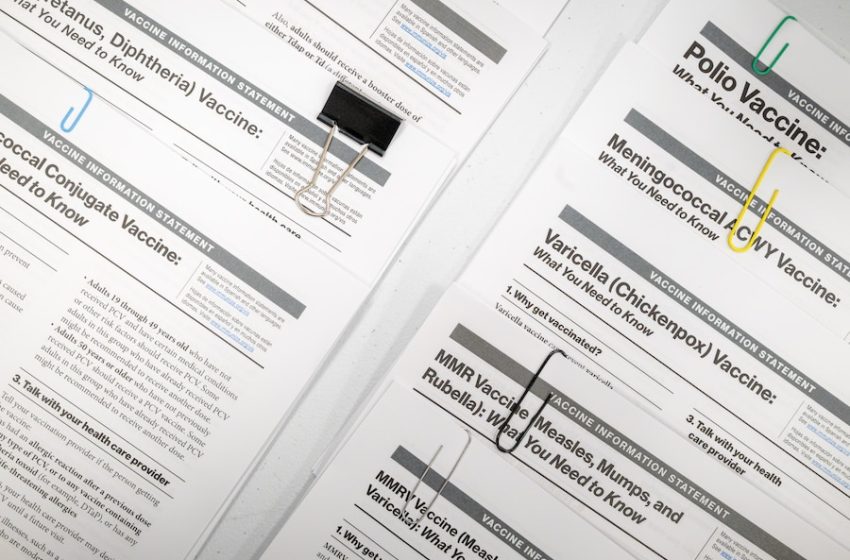
The virus can be prevented with the same vaccine as for measles, a highly contagious infection that has been surging in the past year, largely in children in other states. Maryland has not had a measles case since March.
Public health officials have been especially alarmed by the resurgence of measles, and by attacks on the vaccine to prevent or mitigate the infections. Federal health officials have called the shot’s safety into question without scientific evidence.
The U.S. Centers for Disease Control and Prevention continues to recommend the MMR vaccine against measles, mumps and rubella. But it recently stopped routinely recommending vaccines for COVID, RSV and flu, despite recent waves of cases.
Maryland and many other states, as well as most major medical associations, continue to advise people to get all of the immunizations.
It’s not clear if those infected with mumps got the MMR vaccine, which is typically given to young children and is required to attend kindergarten in Maryland.
The Maryland Department of Health’s letter to providers on mumps cases says they should be aware of the increase in cases so they “can take appropriate steps to identify suspected cases in a timely manner, ensure appropriate testing and public health reporting is completed and continue to offer vaccination for patients as per current clinical recommendations.”
The officials recommend two doses of the MMR vaccine to anyone who has not received it and was born after 1957. People who are vaccinated can be infected with mumps but often have milder symptoms.
Mumps spreads by contact with droplets from an infected person, often through a sneeze or cough. Symptoms can arise weeks after exposure, according to Johns Hopkins Medicine.
Once someone is infected, pain and swelling can last three to seven days, though most people fully recover. Sometimes, according to Hopkins, there can be serious complications such as hearing loss and meningitis or encephalitis, which involves inflammation in or around the brain or spinal cord.
There is no specific treatment for mumps beyond pain medications, fluids and rest.
First Appeared on
Source link






