


mental illness, treatment, and tragedy
The civil suits make for pretty terrifying reading. This was not a case of someone in denial about her mental illness, or who resisted treatment, or didn’t know how to get it. Clancy, a labor and delivery nurse at MGH, recognized the seriousness of her postpartum psychiatric condition. She and her family knew how and where to seek help, and they had the wherewithal to get it.
Again and again, she sought relief at emergency rooms, crisis hotlines, and hospitals; from therapists and doctors and nurses; in medication after medication. No one, it seemed, could give it to her.
The health providers named in the suits have declined to comment on the pending litigation, but affirmed their commitment to providing excellent care.
According to the complaints, Clancy had postpartum anxiety after her daughter, Cora, was born in 2017, and more serious symptoms after her son Dawson was born in 2019, which prompted her to see a psychiatrist. After she gave birth to Callan in 2022, she was more manic than she had ever been, and seemed like a different person to her family. She sought help from a psychiatrist, who prescribed Zoloft. The lawsuit alleges that medication made her sleepless and even more anxious. Patrick and Lindsay Clancy argue that reaction — and Clancy’s health history — should have led the psychiatrist to conclude that she had bipolar disorder, and required a different kind of treatment.
Clancy alleges that, rather than inquiring further, the psychiatrist merely prescribed another medication, to which Clancy had more adverse reactions. The same thing happened when she sought help at an ER, where she was prescribed more medication that didn’t work. Yet, more medications left her dissociated and confused. A few days later: Another medication, Seroquel, which the suit alleges made Clancy far worse, with intrusive thoughts, suicidal ideation, and auditory hallucinations.
She said she called a suicide hotline for help, but was told she didn’t qualify for inpatient treatment because she had no detailed plan to take her own life. Her husband begged a nurse to take his wife off all medications and start over. Instead, she was given a higher dose of Seroquel.
“I have thoughts of harming the kids,” Lindsay told her husband and mother. Another ER visit just before Christmas 2022 led her to the Women & Infants Hospital in Providence, to a program for patients with postpartum depression.
There, she told workers she was “crazy depressed, numb to all emotion, can’t feel love,” according to the complaint. Testing found she was deeply depressed, and in the most severe category for anxiety. But a doctor there found that Clancy had no postpartum depression, and ruled out a diagnosis of bipolar disorder. The lawsuit alleges that is because the doctor did not get an adequate medical history from the Clancys. Instead of admitting her to the hospital’s special treatment program, the doctor merely recommended she stop taking the Seroquel.
That assessment in Rhode Island is central to the first-degree murder case brought against Clancy by the district attorney. The prosecutor is citing the hospital’s diagnosis as evidence that Clancy was not impaired by mental illness on the day she strangled her three children. Cruz is arguing that Clancy “did not feel love or connection with some of her kids,” according to a court document.
After she was rejected from the treatment program in Providence, Clancy’s thoughts of suicide worsened, and she went to McLean Hospital, a psychiatric institution, for five days. The complaint details a 10-minute follow-up call with a psychiatrist, who prescribed yet another medication. Then came another meeting with a psychiatrist, this time for 17 minutes. Within a week, Clancy’s hallucinations were back. Her psychiatrist prescribed and another medication. Then, a few days later, she got another prescription, which also failed to quell her symptoms. She had another 17-minute appointment on Jan. 23, 2023, in which her psychiatrist upped her dosage.
On Jan. 24, Clancy cared for the children as best she could, according to the complaint. She sent Patrick out for takeout and checked a map to see how long it would take him. Clancy claims she did that because she was afraid to be alone and wanted to know how long her husband would be away. The prosecutor says she did it because she had planned to kill the children, and was checking to see how long she would have to do it.
“This is your last chance. Kill the children so you can kill yourself,” Clancy said a voice told her. She felt unable to resist and strangled each of them. Afterwards, she overdosed on her medication, cut her wrists and neck, and jumped from her bedroom window. She is now paralyzed below the sternum. In a court document, the prosecutor suggested she was not genuinely attempting to take her own life.
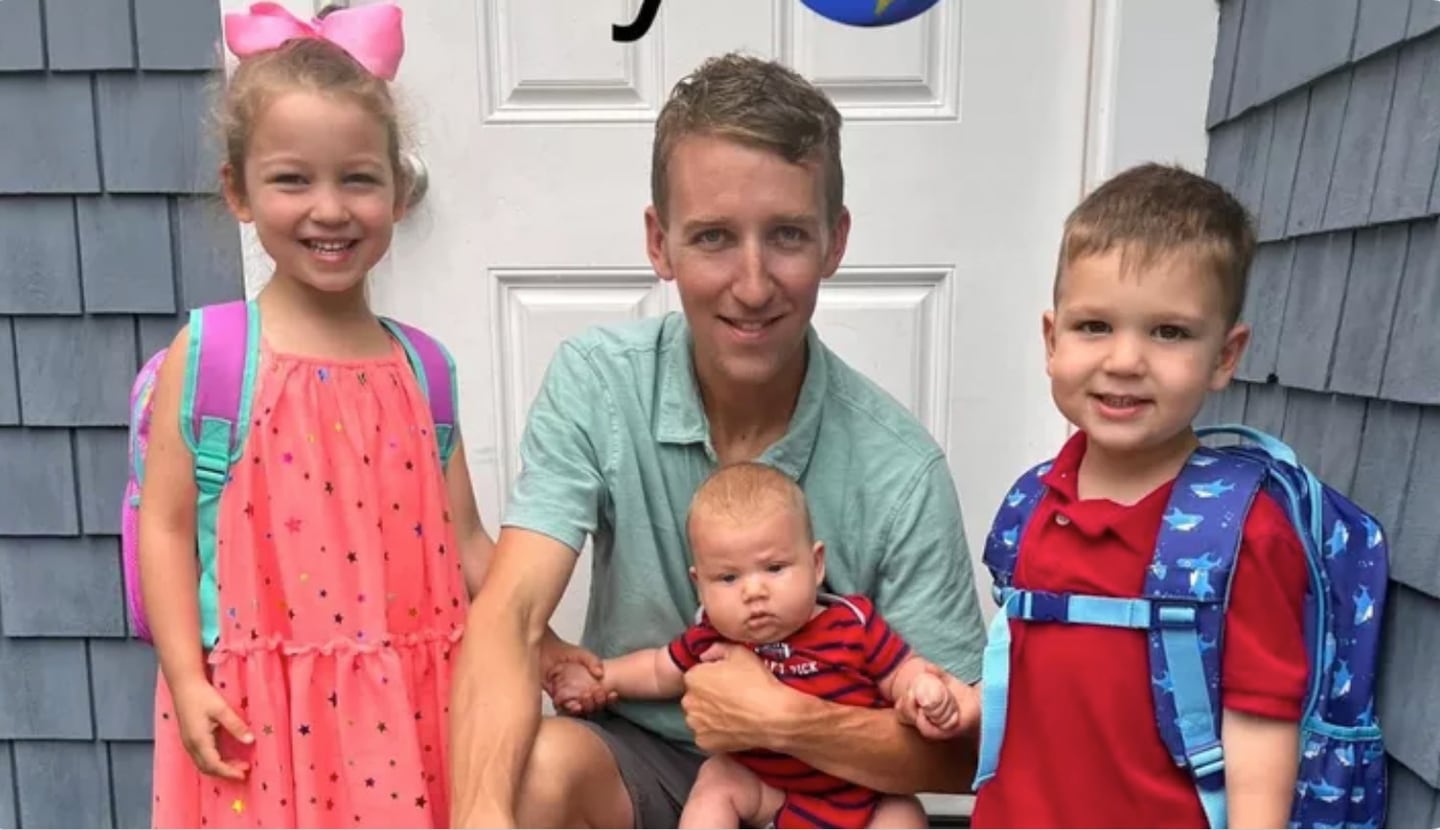
Photo: GoFundMe
GoFundMeClancy and her family tried so hard. Though their attempts to get help ended in a rare and horrific tragedy, their frustrations will be familiar to anyone with a complex illness who has tried to navigate our messed-up health care system.
Clancy’s case paints a picture that is distressingly, infuriatingly common: Health providers failing to fully check a patient’s history, or to communicate with others treating her, missing information that would raise enormous red flags. Rushed appointments, including via video, where there is not enough time for a patient to fully explain her symptoms. Doctors and others piling up prescriptions in a protracted game of pharmaceutical trial and error.
It is certainly familiar to John McDonough, a professor of practice at Harvard Chan School of Public Health, and an expert in health policy.
“For so many psychiatrists these days, their life is defined by 5-, 10-, 15-minute visits with patients,” he said. “There is no time to get in deep and to understand what is going on, and that makes it so much easier for things to be missed.”
Everyone in the American medical system, at every level, is under constant pressure to do more, to maximize the economic value of what they do while keeping costs down, McDonough said. That means less time for patients, especially those with complicated cases like Clancy’s. And less effective communication with patients and other health workers.
People can die when the health workers treating them don’t listen closely enough, or for long enough, or don’t take the time to talk with others treating the patient. It happens all the time.
But you can’t indict a dysfunctional health care system, can you?
And so Cruz has brought first-degree murder charges against a mother who will suffer for the rest of her life because, when she was profoundly ill, she killed the children she loved.
Maybe putting Clancy in prison forever feels like justice to those who want to see somebody punished for the loss of those three little lives.
But it won’t make us any safer. We’ll still be living in a world where even someone with Lindsay Clancy’s resources and support could not get the help that could have saved her family.
That should terrify all of us.
Globe columnist Yvonne Abraham can be reached at [email protected].
First Appeared on
Source link






