


MLB ABS Challenge System Makes For Hilarious Mistakes, Big Overturned Calls
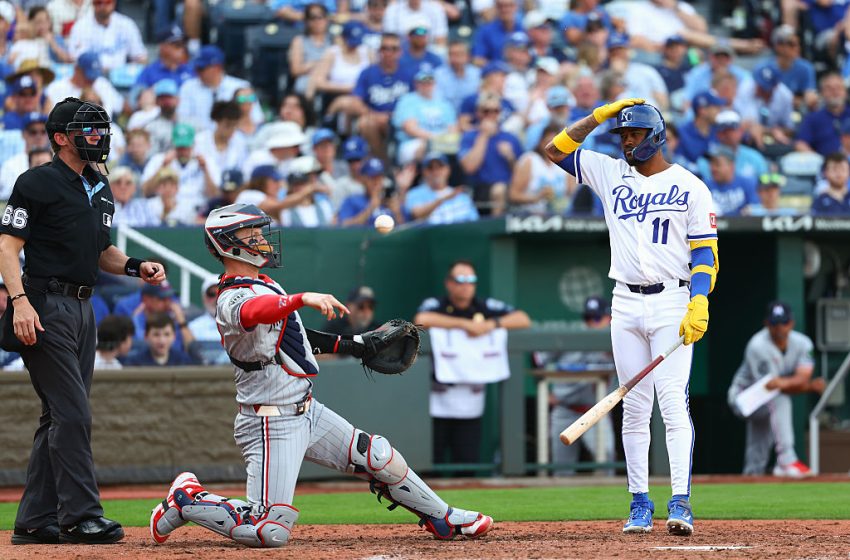
Twins Matt Wallner fails hilariously on MLB ABS challenge against Orioles.
We’ve officially completed the first weekend of Major League Baseball games under the new automated ball and strike challenge system, where called pitches can be overturned by challenges on the field. The “robo ump” system has been under development for years, with the current implementation based on testing and player feedback.
And already, like many of the other rule changes made by the league and competition committee over the last few years, it seems to be, generally, a runaway success. Umpires like CB Bucknor, who’ve been criticized for what seems to be poor performance, are now being exposed in real time as players are able to correct egregious missed calls.
RELATED: Legendary Bad Umpire CB Bucknor Embarrassed By ABS Challenge System In Brutal Showing
Fans too, seem to love it. Much like how it works in tennis, there’s an immediate visual on the stadium video board showing whether the call will be overturned. There’s plenty to like; bad calls are much less likely to impact at-bats or outcomes, and it adds a new element of strategy for teams and players to figure out.
Risk your challenges early? Or save them for later. Focus on hitters challenging, or rely on pitchers and catchers? There have been numerous examples already of hilarious mistakes, which raises the all-important question: where does it go from here?
A general view during a ABS challenge during the first inning of a game between the St. Louis Cardinals and the Tampa Bay Rays at Busch Stadium. (Mandatory Credit: Jeff Curry-Imagn Images)
Some ABS Challenges Have Been Hilariously Wrong
Thus far, per Baseball Savant, there have been 225 challenges made by pitchers, catchers, or hitters, with a 55% success rate. Interestingly, pitchers and catchers have been significantly more successful with reviews. Hitters are at exactly 50/50, but “defensive” players are at 58%. It’s apparently easier to tell for pitchers or catchers whether something actually was a strike or ball. At least, according to MLB’s updated definition of the strike zone for purposes of ABS.
Maybe that explains one of the worst challenges of the season thus far, coming from Minnesota Twins hitter Matt Wallner. Wallner came up with the bases loaded against the Baltimore Orioles in a 5-5 game in the top of the 7th inning, and worked a full count. And then got completely fooled by a sinker/two-seamer from reliever Rico Garcia. Wallner, maybe out of desperation, immediately challenged. Only for the call to be confirmed by a whopping 4.8 inches.
Some of these challenges have made umpires look awful, but players are going to have their fair share of embarrassing moments.
Interestingly, there does already seem to be some trends in the data. While overturn rates are nearly 50/50 with two challenges remaining, when teams are down to one final challenge, the fielders, at least, buckle down. Thus far, an incredible 76% of challenges have been overturned when a pitcher or catcher initiates. Similarly, as the game situation tends towards more high leverage moments, overturns become more common.
With the bases empty, 52% of calls have been overturned. With one on? It’s 57%. Two on? 58%. With the bases loaded? 64% of challenges have been overturned. Players are already trying to be more certain and judicious with their challenges as the situation dictates. Unsurprisingly, per ESPN’s Jeff Passan, there are also more challenges deeper into games. The most common inning is the sixth, then the seventh, and the ninth, all within two challenges.
So what happens next? Well, teams will have access to all this data, particularly the data showing that catchers have, by far, been the most successful at getting calls switched. Already, they’ve shown that they’ll focus on later innings and higher leverage counts and game situations. It’ll be fascinating to see if some teams will limit challenges to catchers, or if the overturn rates will get better as everyone involved learns the new strike zone. Or if umpires, tired of being subjected to raucous cheers when their calls are reversed, stop missing calls by 3-4 inches. Not all these challenges from Monday’s games were overturned, but it’s easy to see how much umpires could improve.
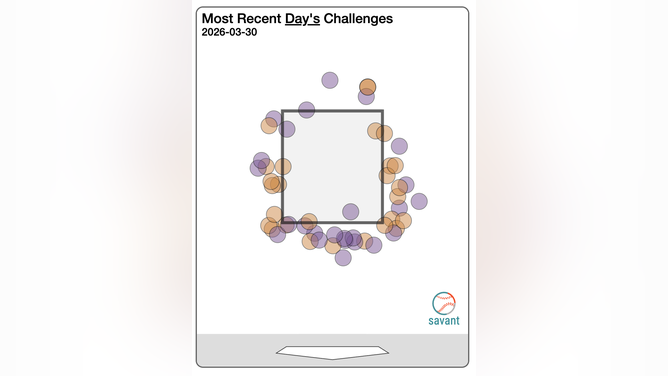
Will they? Maybe. But probably not.
First Appeared on
Source link






