



More Than 100 Years Ago, Denmark Offered Greenland to the U.S., But Washington Said “No” to the Arctic Territory
A century-old diplomatic overture, dismissed at the time as implausible, has resurfaced with surprising relevance. In 1910, Denmark quietly proposed a territorial trade that would have transferred Greenland to the United States. The offer was declined without public debate. More than a hundred years later, Washington is again pursuing control over the Arctic island, this time with economic leverage and strategic urgency.
The 1910 proposal was buried in diplomatic channels and forgotten by most policymakers. But in early 2026, as the U.S. imposes escalating tariffs on Denmark in a bid to reopen sovereignty talks, the historical parallel has drawn new attention.
Today, the island sits at the intersection of mineral competition, Arctic militarization, and superpower rivalry. What was once dismissed as a geopolitical abstraction is now treated by U.S. officials as a vital national interest.
A Forgotten Three-Way Proposal in 1910
The 1910 offer involved a complex three-party arrangement. Under the plan, the United States would cede portions of the Philippines to Denmark. Denmark would then pass those territories to Germany in exchange for the return of Schleswig-Holstein, a region lost during earlier conflicts. In return, Denmark would transfer Greenland to U.S. control.
U.S. officials rejected the proposal almost immediately, according to historical records reported by Fortune. The idea was deemed too intricate and politically risky, especially as the U.S. government remained focused on domestic consolidation and post-Spanish-American War adjustments.
Although no formal record of public negotiations exists, historians now cite the 1910 exchange as the first documented instance of Denmark offering to divest Greenland. The episode foreshadowed several later efforts, none successful, by Washington to gain control over the island.
The Cold War Raised the Stakes, and the Offer
The strategic calculus changed dramatically after World War II. In 1946, the Truman administration offered Denmark $100 million for Greenland. That effort also failed, but the postwar defense alliance between the two countries created a pathway for military access without full sovereignty.
The 1951 U.S.–Denmark defense agreement gave American forces rights to operate on Greenlandic territory. The Thule Air Base, now known as Pituffik Space Base, became a cornerstone of NATO’s early warning and Arctic surveillance infrastructure. It remains active today, underscoring the island’s military relevance.
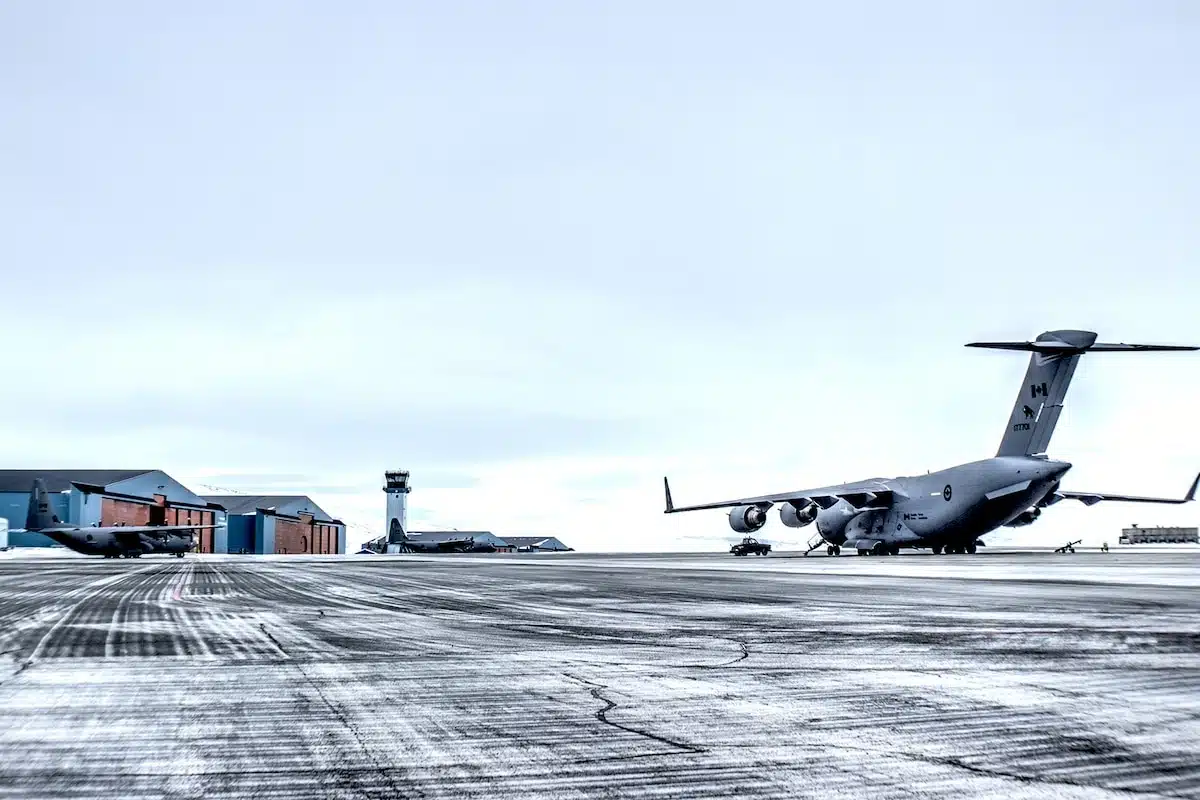
During the war, U.S. forces had stepped in to protect Greenland after Denmark fell under Nazi occupation. The U.S. built weather stations, airfields, and communications outposts that later formed the backbone of its Arctic defense posture.
Rare Earth Minerals, Climate Access, and Modern Competition
In 2026, Greenland’s value is shaped less by location alone and more by its mineral profile. The island hosts significant deposits of rare earth elements including neodymium, dysprosium, terbium, and lithium, materials critical to green technologies, aerospace systems, and advanced weaponry.
One operational site, the Tanbreez mine in southern Greenland, produces 17 metals used in electric vehicles, wind turbines, and military platforms, including parts for the F-35 fighter jet. The mine’s strategic value was highlighted in a valuation by the American Action Forum, which estimated Greenland’s total mineral wealth to be between $2 trillion and $4 trillion.
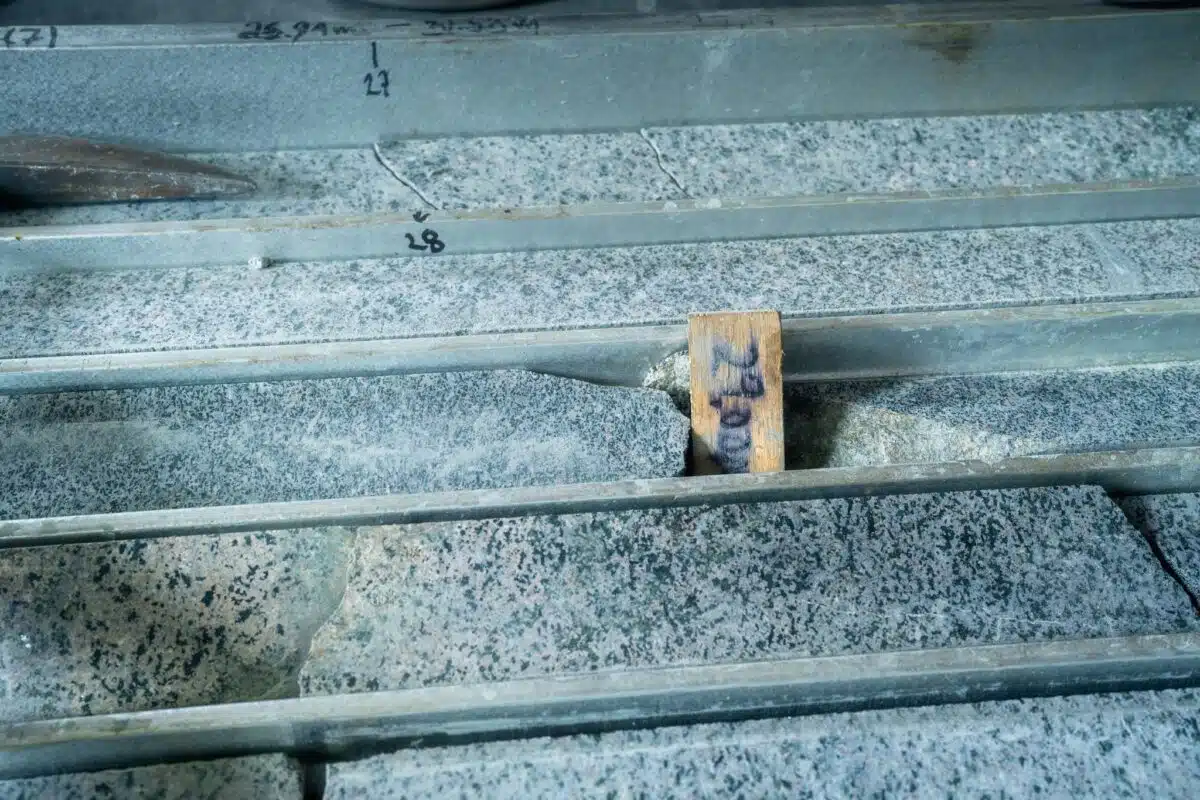
The report in Fortune noted that 25 of the 30 raw materials classified as essential by the European Union are found in Greenland, reinforcing its importance to Western industrial and defense supply chains.
As the global energy transition accelerates, these resources have attracted attention from China and the European Union. Beijing, under its Polar Silk Road initiative, has sought to invest in Greenlandic infrastructure, prompting intervention by Denmark to block foreign influence.
U.S. officials now view securing mineral access in Greenland as a matter of national security. The 2025 National Security Strategy formalized this perspective, framing control over Arctic resources as essential to countering Chinese economic leverage.
From Diplomacy to Pressure: 2026 Tariff Campaign
On January 17, 2026, the Trump administration imposed a 10% tariff on Danish exports to the United States, with a scheduled increase to 25% by June. The move was explicitly tied to Denmark’s refusal to discuss Greenland’s status. Similar measures were levied against Germany, France, and Sweden, all of which supported Denmark’s position, as reported in the Indian Defence Review.
Denmark’s Prime Minister Mette Frederiksen responded unequivocally: “Greenland is not for sale.” That message was echoed by Greenland’s Prime Minister Múte Egede, who emphasized continuity in U.S.–Greenland cooperation but ruled out any sovereignty concessions. “We are going to work with the U.S. – yesterday, today and tomorrow,” he told reporters in a statement covered by the New York Times.
Despite U.S. pressure, no formal negotiations have been announced. Legal analysts and trade experts have raised concerns that such tactics, if normalized, could destabilize Arctic governance and erode international norms around sovereign territory.
First Appeared on
Source link






