



My high-protein, low-carb diet made me spotty and bloated, and led me to PUT ON weight. But THIS is the surprising food plan that finally gave me a flat tummy and really transformed my body
Daily Mail journalists select and curate the products that feature on our site. If you make a purchase via links on this page we will earn commission – learn more
Towards the end of 2021, my health felt like it was spiralling. I was constantly bloated, exhausted and struggling with stubborn acne that wouldn’t budge. I had gained weight, my energy levels were low and my mental health had taken a hit too.
While bloating is incredibly common, persistent or excessive bloating can sometimes be a sign of an underlying health condition. It’s always important to speak to a doctor to rule out anything more serious. In my case, I did exactly that and was cleared of any medical issues – which meant the root cause was more likely to have been linked to my diet, lifestyle and stress levels.
Up to that point I had tried everything – supplements, cleanses, fasting, gluten-free diets, dairy-free diets. Nothing seemed to work.
It wasn’t just affecting me physically. The brain fog was becoming overwhelming and it was starting to affect my work and productivity. My menstrual cycle had also become completely irregular and I had stopped ovulating altogether.
As a nutritionist, admitting that felt incredibly difficult. I felt ashamed that I had been experiencing these symptoms for so long when I was supposed to be the picture of good health.
Eventually I decided to go back to the drawing board and focus on the basics. When I took a closer look at my diet, one thing immediately stood out – I was barely eating any fibre.
At the time I had been following a very high-protein, low-carbohydrate diet in an attempt to manage my weight. I had also been limiting plant foods because I thought they were making my bloating worse.
I struggled with stubborn acne that wouldn’t budge and bloating
Instead, I decided to focus on improving my gut health. Fibre is the primary food source for the beneficial bacteria in our digestive system, helping them thrive and support digestion, immunity and overall health. When we don’t eat enough of it, our gut microbiome can suffer – which may affect everything from bloating to inflammation in the body.
Fibre also plays an important role in stabilising blood sugar levels by slowing the release of glucose into the bloodstream, helping prevent the sharp spikes and crashes that can leave us feeling tired and sluggish after meals.
Research also suggests a high-fibre diet may support brain health by reducing inflammation in the gut and brain, helping to improve focus and concentration.
So I began slowly increasing the number of plant foods in my diet and gradually boosting my fibre intake.

Within just a few weeks of increasing my fibre intake, I finally felt like myself again
Within just a few weeks the difference was remarkable. My skin cleared up, my energy levels improved and the uncomfortable bloating that had been dominating my life after meals began to disappear. The brain fog lifted, my mood improved and I started ovulating again. I looked less inflamed and puffy and, most importantly, I finally felt like myself again.
Before making this change I had been eating around 14 to 16g of fibre a day. Over time I increased that to 35 to 40g daily – and the transformation in how I felt was incredible.
Looking back, increasing my fibre intake wasn’t just a small dietary tweak. It was the catalyst that helped rebalance my gut and ultimately turn my health around.
But it wasn’t the only change I made. Over time I introduced several small daily habits that supported my digestion, energy levels and mental wellbeing.
These are the nine changes that made the biggest difference.
1. I get outside every day
One of the simplest habits that made a noticeable difference to my wellbeing was committing to getting outside every single day. Spending time outdoors – particularly in green spaces – has been shown to support mental health and even improve sleep.
For me, this usually looks like at least 30 minutes outside daily. Sometimes it’s just a walk, other days I might go for a run. Even when I’m travelling or on holiday, I try to find a park, beach or somewhere green to spend time in.
That daily dose of fresh air helps reset my mind, reduce stress and lift my mood, all of which support overall health.
2. I take three deep breaths before I start eating
This might sound unusual but it’s one of the simplest habits I’ve built into my routine.
Before every meal I pause and take three slow, deep breaths. Most of us spend much of our day in ‘fight or flight’ mode – rushing around, answering emails, juggling tasks and eating on the go. When we’re in that state, our digestion suffers.
Taking a few deep breaths helps switch the body into a ‘rest and digest’ state, allowing us to break down and absorb nutrients more effectively. It only takes around 30 seconds but it can make a surprising difference to digestion.
3. I eat more beans
If there’s one food group I’ve become slightly obsessed with, it’s beans. They’re one of the cheapest, easiest and most effective ways to increase fibre intake yet they’re often overlooked.
Around 96% of people in the UK don’t get enough fibre, so simply adding beans to meals can make a big difference.
The key is to introduce them gradually so your gut can adjust. You don’t need to start by eating large portions straight away – even adding a spoonful to meals can significantly boost your fibre intake over time.
For example:
- 100g cooked black beans contain around 8.7g of fibre
- 100g cooked chickpeas contain around 7.9g of fibre
- 100g cooked butter beans contain around 6.1g of fibre
I’ll add baked beans to toast or a baked potato, blend chickpeas into homemade hummus or stir beans into salads. One of my favourite tricks is blending white beans or cannellini beans into pasta sauces or soups – you can’t taste them but they boost the fibre content and make the meal more filling.
4. I keep the skins on fruit and vegetables
Another easy way to increase fibre intake is simply leaving the skins on fruits and vegetables.
Many of us automatically peel foods like potatoes or apples but the skin often contains a large portion of the fibre. By washing produce well and keeping the skins on, you can sometimes increase the fibre content of that food by up to 50%.
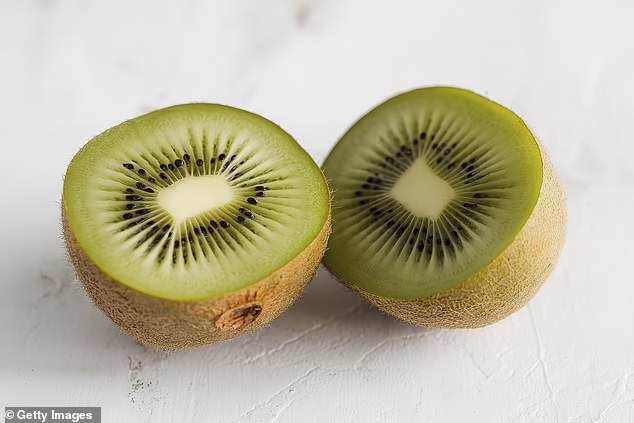
Eating kiwi with the skin on is an effective way to increase fibre intake
I do this with potatoes, apples, carrots, courgettes and aubergines. Even kiwi fruit can technically be eaten with the skin on – which might sound unusual but it’s actually a surprisingly effective way to increase fibre intake.
5. I add seeds to my meals
Seeds may be small but they’re incredibly powerful when it comes to fibre.
I keep a jar of mixed seeds in my kitchen and sprinkle them onto meals throughout the day. They’re an easy addition to porridge, yoghurt bowls, salads or smoothies and they also provide healthy fats and nutrients.
For example:
- 100g chia seeds contain around 34g of fibre
- 100g flaxseeds contain around 26.2g of fibre
- 100g poppy seeds contain around 19.5g of fibre
Chia seeds are one of my favourites because they’re so versatile. You can stir them into smoothies, sprinkle them over breakfast or soak them overnight to make chia pudding.
6. I limit caffeine after 3pm
Sleep plays a crucial role in overall health so protecting it is essential.
I try to avoid caffeine after around 3pm, as it can interfere with sleep quality later in the evening. I learned this the hard way after plenty of nights lying awake following a late coffee.
These days I often choose decaffeinated coffee instead. Improving my sleep made a noticeable difference to my energy levels and overall wellbeing.
7. I keep my fruit bowl full
This is one of the easiest nutrition habits I recommend to people.
If healthy food is visible and accessible, you’re far more likely to eat it. I always keep a fruit bowl on my kitchen counter stocked with apples, pears or tangerines depending on the season.
When I’m looking for a quick snack it’s the easiest option to grab and it naturally helps boost my fibre intake throughout the day.

Keeping a full fruit bowl is one of the easiest nutrition habits I recommend to people
8. I add three different colours of vegetables to my plate
You’ve probably heard the phrase ‘eat the rainbow’ and there’s a good reason for it.
Different coloured fruits and vegetables contain different vitamins, minerals and plant compounds that support gut health. By aiming to include at least three different colours of vegetables on my plate, I increase both the diversity of nutrients and the range of fibre I eat.
For example, instead of buying three red peppers I’ll buy a mix of red, yellow and orange. It’s a simple way to increase variety in your diet and support your gut microbiome.
9. I add berries whenever I can
Berries are one of my favourite foods because they’re packed with fibre, antioxidants and vitamin C.
I’ll add them to porridge, yoghurt bowls, smoothies or desserts. Sometimes I make a simple yoghurt bowl with dark chocolate and honey and top it with raspberries or blueberries.
Some berries are particularly high in fibre:
- 100g raspberries contain around 6.5g of fibre
- 100g blackberries contain around 5.3g of fibre
- 100g blueberries contain around 2.4g of fibre
Raspberries are my favourite because they’re especially high in fibre thanks to their tiny seeds and they taste amazing.
Looking back, the biggest lesson for me was that improving my health didn’t require extreme diets or complicated routines – just simple habits that support the gut and nourish the body.
First Appeared on
Source link






