We must explain to you how all seds this mistakens idea off denouncing pleasures and praising pain was born and I will give you a completed accounts off the system and expound
Slate’s Washington, 1707 L St. NW, Washington, D.C., 20036.
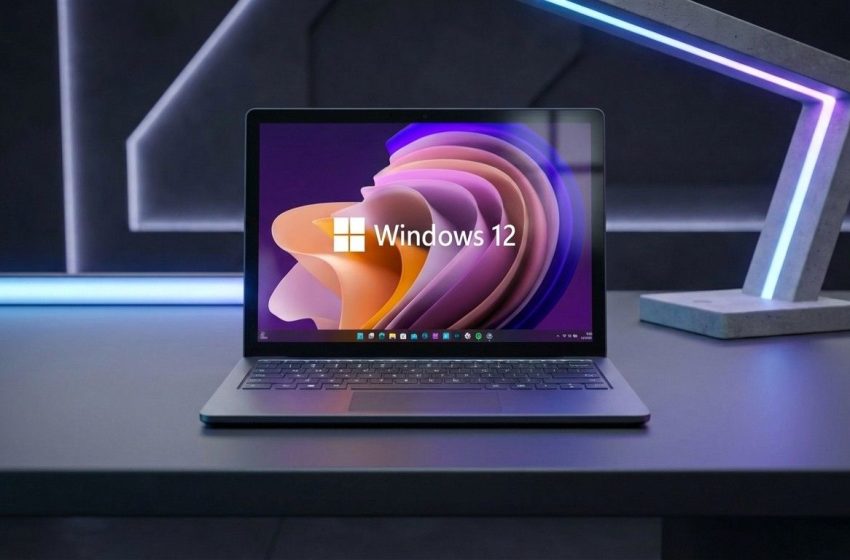
People are up in arms over a new report that appears to claim that a Windows 12 is likely to launch this year as a modular, AI-powered OS. As you might expect, such news has ruffled a lot of feathers in the tech space, especially when you consider the extreme pushback around Microsoft’s AI efforts on Windows 11 in recent months.
The report appears to have originated from PCWorld, but has gained mass attention on Reddit with over 12,000 upvotes and thousands of angry comments.
The good news is the report is false. According to contacts that are familiar with the Windows roadmap, there is no plan to ship a Windows 12 this year. In fact, I understand that the Windows roadmap for 2026 is all about fixing Windows 11 and attempting to improve its reputation by addressing top feedback such as reducing AI bloat across the OS, bringing back the movable Taskbar, and more.
The modular OS claims are also misplaced. CorePC, which is the project the report refers to, was an effort from 2023 that attempted to revive the WCOS vision with a version of the Windows desktop that could scale up and down with various levels of app compatibility, along with state separation for faster OS updates and better system security.
Given that CorePC was supposed to launch in 2024, it’s likely the project has since been scrapped. As far as I’m aware, there are no plans to ship a CorePC product this year, and especially not under “Windows 12” branding. Any platform work taking place on Windows this year will be for the shipping versions of Windows 11.
The report also argues that with support for Windows 10 ending, it now makes sense to ship a Windows 12. I’d argue that Microsoft has been pushing to get everyone onto the same version of Windows for years, and now it’s finally almost there with Windows 11. Introducing a Windows 12 so soon would just fragment the market once again.
There’s lots of other claims the report makes that are also easy to debunk. The codename Hudson Valley is from 2023 and not tied to a Windows 12, the “radically redesigned” UI claims are just based on a leaked concept from 2022 that was never greenlit to ship, and a subscription-based version of Windows has been rumored to be around the corner since 2012.
All the latest news, reviews, and guides for Windows and Xbox diehards.
It seems to me that this report is either AI generated or AI researched, and has been published without much fact checking. It shows all the obvious signs of an AI that has confused old reports and online conversations as current and factual, when much of it isn’t anymore.
I’m confident that if a Windows 12 does happen, it won’t be until 2027 at the earliest, and it won’t be based on any of the ideas that the PCWorld report has claimed to be in the works. This year is all about fixing Windows 11, which I expect we’ll start hearing a lot more about in the next couple of months.
But should a Windows 12 happen?
Even if there are no plans to ship a Windows 12 this year, the question does remain: should a Windows 12 actually happen? Given the state of Windows 11 and the negative sentiment that surrounds it, perhaps starting fresh with a Windows 12 isn’t such a bad idea for Microsoft.
This is a conversation I know the company is having internally. If it’s not able to right the ship with Windows 11 and improve its reputation, it may have no choice but to pivot to a Windows 12. Of course, if that were to happen, it wouldn’t be until next year at the earliest.
In the meantime, let us know in the comments what you would do if you were Microsoft. Would you pivot to Windows 12 or try to fix Windows 11 instead?
Join us on Reddit at r/WindowsCentral to share your insights and discuss our latest news, reviews, and more.