


Normal brain immune cells may actually be causing Alzheimer’s
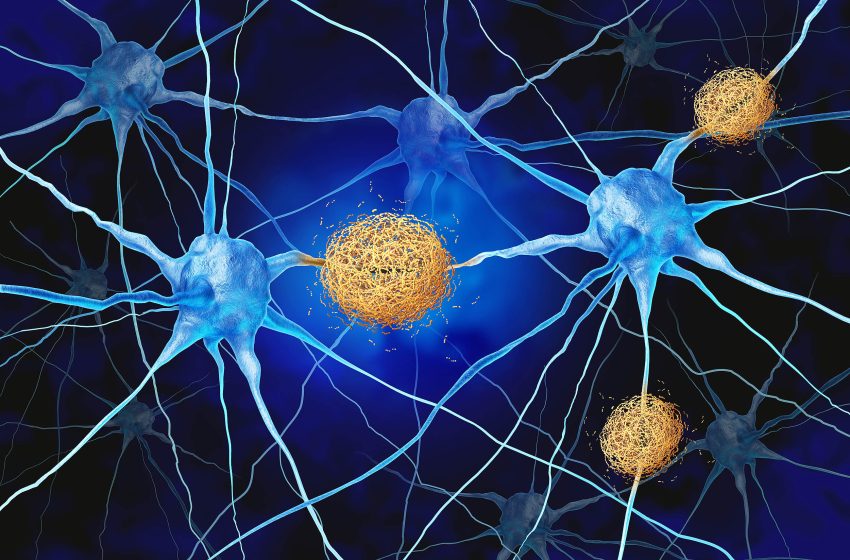
A new study has found that brain immune cells can help generate the sticky plaques linked to Alzheimer’s disease, instead of merely clearing them away.
That discovery upends one of the field’s most durable assumptions and complicates efforts to turn those cells into more aggressive cleaners.
Where plaques start
In dishes containing human immune cells and plaque-forming protein, plaque-like fibers emerged outside the cells rather than assembling on their own.
Tracing that result, Prof. Joost Schymkowitz at Belgium’s VIB biotech institute showed that the brain’s immune cells can actively start plaques.
That finding clarifies that plaque growth may begin while the brain is still mounting what looks like a protective response.
It also sets up the harder question that follows: when those cells defend brain tissue, and when they begin feeding the damage.
Why defense backfires
For years, much of Alzheimer’s research treated microglia, immune cells that patrol brain tissue and swallow debris, as a cleanup system.
Several experimental antibody approaches already try to boost those cells, hoping stronger cleanup will improve their handling of amyloid.
Yet this study found that the same response can also reshape loose protein into new starting points for buildup.
Placed in that context, the finding lands in a world where about 55 million people live with dementia.
How buildup spreads
Inside the cells, loose amyloid-beta, a protein fragment linked to plaque growth, was reshaped into hard strands.
Once released, those strands prompted more protein to stick nearby instead of staying harmlessly dissolved.
Within that model, the cell-made fibers sparked more copycat buildup and pushed tau, a protein that forms tangles inside neurons, into aggregates.
As a result, one harmful protein form can encourage another, tightening the link between early plaques and later damage.
Closer to patients
Cell-made fibers also looked more like brain material from patients than the fibers researchers usually create in small vials.
“For a long time, we’ve studied amyloid plaques in the lab, where they form spontaneously in small vials,” Schymkowitz said.
Patient-derived structures differ in shape and behavior, so a closer match could sharpen tests of early plaque formation.
In turn, the new model becomes useful not only for explanation, but also for screening drug ideas earlier.
When tau joins
Another danger appeared when the cell-made fibers nudged tau into its own clumps inside nerve cells.
Because both appear in advancing disease, plaque buildup and tau tangles usually travel with worsening brain damage and memory loss.
By tying both events to the same immune-cell behavior, the study narrows the gap between early triggers and later decline.
Even so, the experiments stop short of proving that every plaque in a living brain begins this way.
Genes raise the stakes
Changes to a gene that helps brain immune cells sense and respond to damage made plaque buildup worse.
In families carrying rare variants, these changes already rank among the strongest known genetic risks for Alzheimer’s disease.
Without this gene working properly, the brain’s immune cells struggle to survive, clean up debris, and move toward trouble spots.
Seen alongside the new finding, that weakness looks less protective and more like an opening for harmful buildup.
Early alarm signals
Before dense plaques filled the dish, the cells switched on inflammation, a molecular distress response seen in disease.
Long before plaques fully piled up, that reaction resembled cell states reported in human Alzheimer’s models.
Rather than waiting for giant deposits, the immune response seemed to change as soon as cells started handling the protein.
Within that earlier window, prevention may have the best chance to work, if researchers can target it safely.
Therapy plans change
Drug plans built around boosting microglia now face a harder reality, because more activity may not always mean more protection.
Some efforts may still help, especially if they target later stages when cells really do clear plaques.
Timing could decide whether that push helps, does nothing, or adds fuel during the earliest stages.
Designing safer treatments may require knowing when microglia protect tissue and when they begin feeding plaque growth.
What remains unknown
Human cells in dishes can reveal mechanisms, but they cannot capture the full traffic of a living brain.
Blood flow, neighboring neurons, and months or years of aging may alter how these early plaque starters behave.
Researchers also tested macrophages, immune cells that patrol the rest of the body, alongside microglia to compare shared behavior.
Those limits do not erase the finding, but they do keep the story from being the final word.
What comes next
A picture emerges of Alzheimer’s plaques as something the brain’s own defenders can accidentally manufacture while trying to keep order.
If that picture holds in patients, earlier and more precisely timed treatments could matter as much as the target itself.
The study is published in Proceedings of the National Academy of Sciences.
—–
Like what you read? Subscribe to our newsletter for engaging articles, exclusive content, and the latest updates.
Check us out on EarthSnap, a free app brought to you by Eric Ralls and Earth.com.
—–
First Appeared on
Source link






