


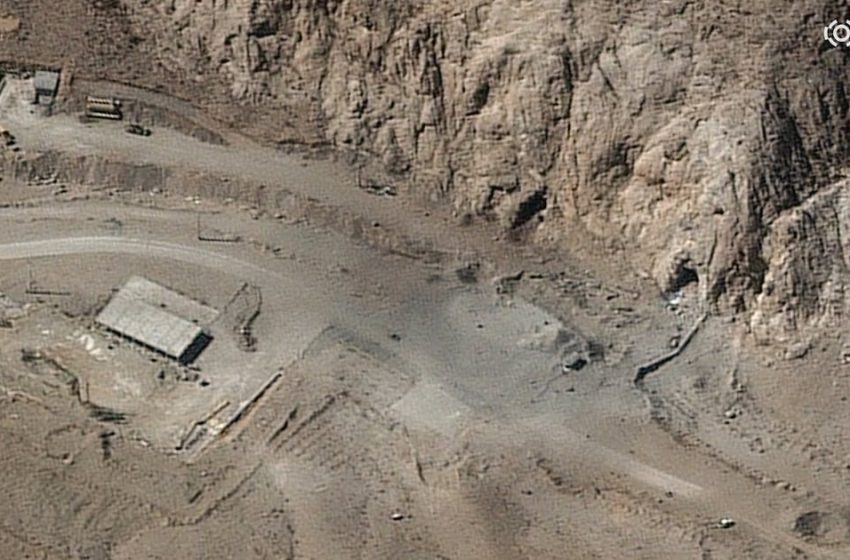
Nuclear site or ‘empty hall’? Mystery of Iran’s new enrichment facility at Isfahan
Iran has a new uranium enrichment site at an underground complex in Isfahan, but inspectors are unable to tell whether it is operational or just an “empty hall”, the UN’s nuclear watchdog has said.
International Atomic Energy Agency (IAEA) director general Rafael Grossi said there are “many questions” about how advanced the facility is. “It is underground, but we haven’t visited it yet,” said Mr Grossi, who is in Washington for a conference and to hold talks with Trump administration officials.
The Isfahan site would be Iran’s fourth known uranium enrichment plant. Iran currently has about 440kg of 60 per cent enriched uranium, the IAEA estimates. This could be brought to 90 per cent – weapons grade – if a successful sprint was accomplished.
That would be enough for about 10 nuclear weapons, though officials have stressed in the past that the timetable is hard to calculate.
Mr Grossi said IAEA inspectors had to cancel a visit, and so do not know whether the new site is “simply an empty hall” or whether centrifuges have started to be installed. “There are many questions that we will only elucidate when we are able to go back,” he said.
Iran’s nuclear activities are central to the war being fought by the US and Israel against the regime in Tehran. The two countries claim Iran is on the brink of developing a nuclear weapon – something Iranian leaders say they have no intention of doing.
US President Donald Trump claimed that strikes last year had done severe damage to Iran’s nuclear programme, but the evidence seen by the IAEA was less clear.
Mr Grossi has previously said he cannot be sure Iran’s intentions are peaceful until it provides more information about its nuclear sites.
Iran has two enrichment plants at Natanz and one at Fordow. It had indicated its Isfahan plans to the IAEA last year but inspectors have not been able to visit the site.
Entrances to the Natanz enrichment plant have been struck again during the current war, the IAEA confirmed on March 3. A projectile hit an area near Iran’s Bushehr nuclear power plant on Tuesday evening, however it caused no damage or injuries, Iran told the agency.
“We have to try to establish, or re-establish, a framework for negotiation,” Mr Grossi told reporters in Washington on Wednesday. Even when the current phase of the military operation comes to an end, IAEA inspectors “will still have a number of issues that will require a solution”, he said.
While the IAEA believes Iran’s highly enriched uranium may be in the same place it was before last June’s bombings, Mr Grossi said it isn’t possible to verify that while hostilities continue.
First Appeared on
Source link






