


Oldest Human Remains in Northern Britain Found in 11,000-Year-Old Cave Burial
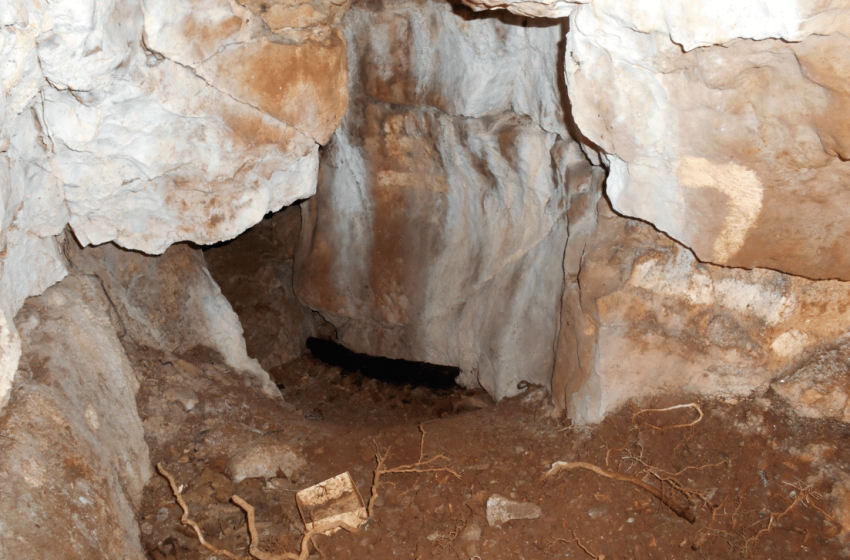
In the depths of Heaning Wood Bone Cave, tucked away in Cumbria, a discovery has shaken the understanding of northern Britain’s ancient past. Over 11,000 years ago, a young child was laid to rest in a burial that tells us much more than just a simple end of life, it opens a window into the Mesolithic world.
The Significance of the Ossick Lass Discovery
The identification of the remains, which belong to a child between 2.5 and 3.5 years old, is a historic achievement in archaeological science. According to Dr. Rick Peterson, the lead researcher from the University of Lancashire,
“It is the first time we have been able to be so specific about the age of a child whose remains are so old and be certain that they are from a female.”
The clarity of the DNA analysis offers a rare and significant glimpse into the lives of Mesolithic people in Britain, providing a wealth of information that was previously unattainable. This development marks an important milestone in the study of prehistoric human remains, especially as it sheds light on the burial practices of hunter-gatherers in Northern Europe.
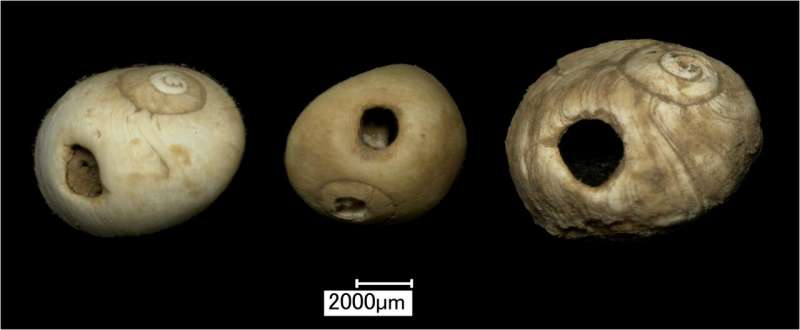
The discovery of the child’s remains in Heaning Wood Bone Cave also has broader implications for understanding the practices of early Mesolithic societies. In addition to the remains, archaeologists uncovered jewelry, including perforated deer teeth and beads, all dating back to around 11,000 years ago. Dr. Peterson elaborates, stating,
“Dating the jewelry to the same time frame as the remains provides more evidence that this was a deliberate burial and opens up conversations about the significance of cave burials during this period.”
This suggests that the burial was not a random event, but rather a carefully planned and culturally significant ritual that aligns with what is known about other early Mesolithic burial practices.
Caves as Spiritual Spaces: A Gateway to the Afterlife?
One of the most fascinating aspects of this discovery is the significance of the cave as a burial site. Dr. Peterson highlights that “Modern hunter-gatherer groups often see caves as a gateway into the spirit world, and this may be why we see so many caves used for burial by Early Mesolithic hunter-gatherers in northern Europe.” The concept of caves as sacred spaces for burial is an idea rooted in many ancient cultures, suggesting that the early people of northern Britain may have viewed caves not just as physical shelters, but as spiritual gateways to the afterlife. This context adds depth to our understanding of the burial and its ritualistic significance, showing that the choice of such a location was likely driven by beliefs in the afterlife.
The idea of caves serving as portals to the spirit world is also reflected in the symbolism of the artifacts found at the site. The jewelry, carefully placed alongside the remains, may have had a symbolic or ceremonial purpose, reinforcing the notion that the burial was not merely an act of disposing of the dead, but rather a part of a broader, deeply rooted spiritual practice. As more research is conducted on the site, archaeologists hope to uncover further evidence that can shed light on the worldview of the Mesolithic people who inhabited this region.
The Ossick Lass and the Legacy of Mesolithic Burial Practices
Martin Stables, the local archaeologist who led the excavation at Heaning Wood Bone Cave, has developed a personal connection to the site and its historical significance. Stables, who is entirely self-taught, expressed the profound impact of his discoveries, stating, “In doing so, I traveled through the Bronze and Neolithic Ages, discovering some of those that lived then and what they left behind. Ultimately, reaching the Mesolithic Period has obviously become the highlight of the excavation and something that’s particularly poignant to myself.” Stables’ passion for uncovering the past has not only brought him closer to the region’s ancient history but has also made him the first person to witness the remains of a child buried with care more than 11,000 years ago.
The publication of the research paper in Proceedings of the Prehistoric Society is an important step forward in Stables’ excavation journey. “The publication of this research paper is an important stage, that in due course, allows us to reveal further information about this unique site of national importance,” Stables notes. He believes that this discovery is only the beginning of a much larger story, with much more to be revealed about the prehistoric landscape and its inhabitants.
First Appeared on
Source link






