


Paleontologists Uncover Fossil of Ancient Reptile Butthole from 290 Million Years Ago
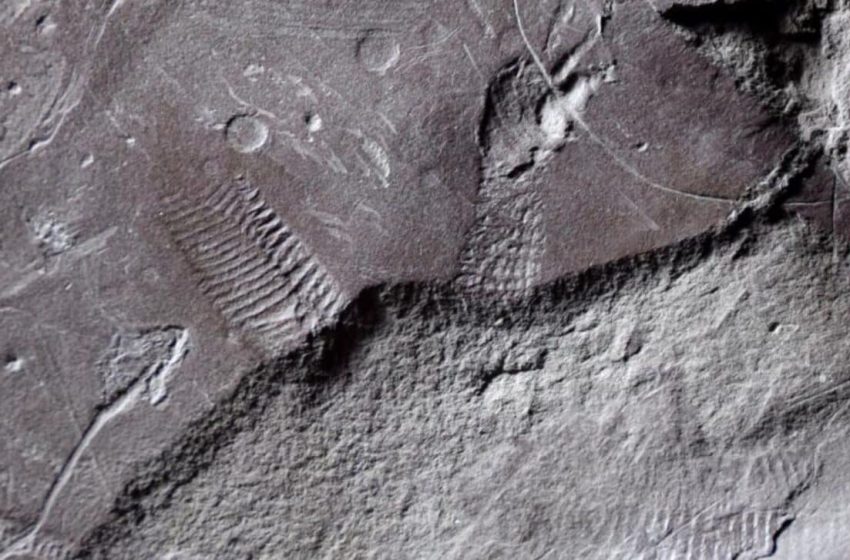
A remarkable fossil discovery has pushed back the timeline for understanding the evolution of reptiles. In the Thuringian Forest of Germany, scientists have found the earliest-known fossilized cloaca, a multi-purpose opening used for excretion, reproduction, and egg-laying, in a 295-million-year-old reptile. The fossil, preserved with striking clarity, offers new insights into the early development of reptile anatomy and skin structures.
The fossil, discovered in the Goldlauter Formation of the Thuringian Forest, marks the oldest known evidence of a cloacal vent, beating the previous record held by a Psittacosaurus butthole by over 170 million years. The 9-centimeter reptile, named Cabarzichnus pulchrus, likely belongs to a group of early reptiles called bolosaurs. This finding is groundbreaking because soft tissue structures such as cloacas are rarely preserved in the fossil record, particularly in reptiles this old. The discovery may fundamentally change how we understand reptile evolution during the early Permian period.
Uncovering an Ancient Trace
The Cabarzichnus pulchrus fossil was unearthed along with resting traces and footprints of early reptiles, and is one of the most complete impressions of a Paleozoic reptile. According to paleontologist Lorenzo Marchetti of the Museum für Naturkunde Berlin, the preserved cloaca is of particular significance because it showcases features of early reptile anatomy that were not previously known to be preserved in such ancient fossils. The imprint of this opening was found near the base of the tail, which is consistent with modern reptiles like turtles, lizards, and snakes, showing how even in its early stages, the reptile lineage was already adapting traits still seen in today’s species.
This fossil also reveals the earliest preserved reptile skin, complete with scale patterns ranging from diamond-shaped to hexagonal shapes. These scales are indicative of a keratin-based skin structure that would later become a defining feature of modern reptiles. This discovery pushes back the known origins of epidermal scales, previously thought to have evolved much later in the evolutionary timeline.
A Leap in Evolutionary Research
What sets the Cabarzichnus pulchrus fossil apart from other discoveries is its detailed preservation. Trace fossils like footprints and body impressions are critical to understanding ancient creatures’ anatomy, behavior, and evolutionary relationships. Unlike bone fossils, trace fossils preserve vital details, such as skin textures and even the positioning of anatomical features like the cloaca. Marchetti emphasizes the importance of these findings, noting that such traces allow scientists to study the evolution of early terrestrial vertebrates in ways skeletal fossils alone cannot.
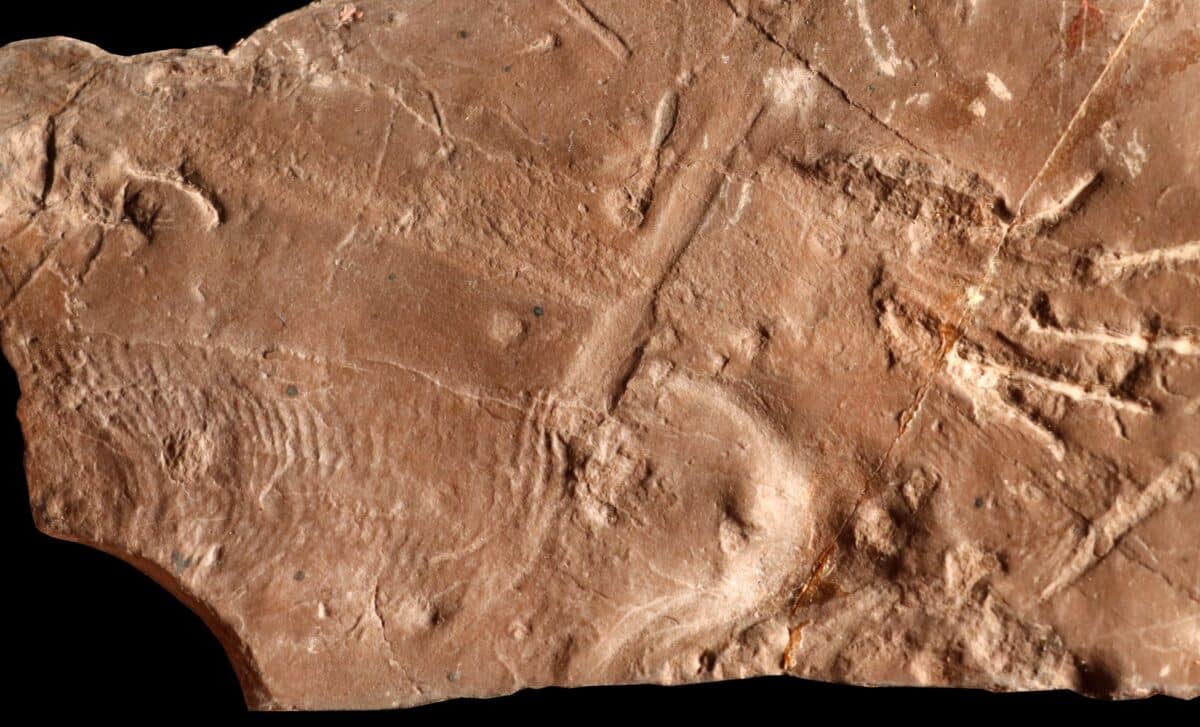
Moreover, the discovery provides critical insight into the co-evolution of epidermal and dermal scales in reptiles, marking a significant step forward in understanding how modern reptiles came to develop their distinctive skin. The Cabarzichnus find not only adds a new chapter to the history of reptile evolution but also sheds light on the early adaptations that helped reptiles thrive in the changing climates of the Permian period.
New Perspectives on Ancient Reptiles
The Cabarzichnus pulchrus find offers scientists a rare opportunity to study the earliest developments of reptile skin and cloacal anatomy. The Cabarzichnus traces, associated with the footprint patterns of Varanopus microdactylus, provide the first clear evidence of epidermal scales and their role in early reptile evolution. These impressions demonstrate how skin structures, like keratin-based scales, developed in the early stem reptiles before the major Permian climate shifts that would later drive the diversification of reptile species.
In addition to offering a glimpse into the physiology of ancient reptiles, the find also challenges existing timelines of reptile evolution. The cloacal vent, preserved so remarkably well, hints that early reptiles already possessed some features that would become essential for modern reptiles, suggesting that these creatures were far more advanced than previously thought.
The discovery of Cabarzichnus pulchrus is a stunning contribution to the growing body of research on ancient reptile life and represents a leap forward in the study of evolutionary biology. It reminds us that the past, though millions of years gone, still has much to reveal through the careful study of fossils.
First Appeared on
Source link






