


Paleontologists Unearth the World’s First Dinosaur Egg Containing Another Egg
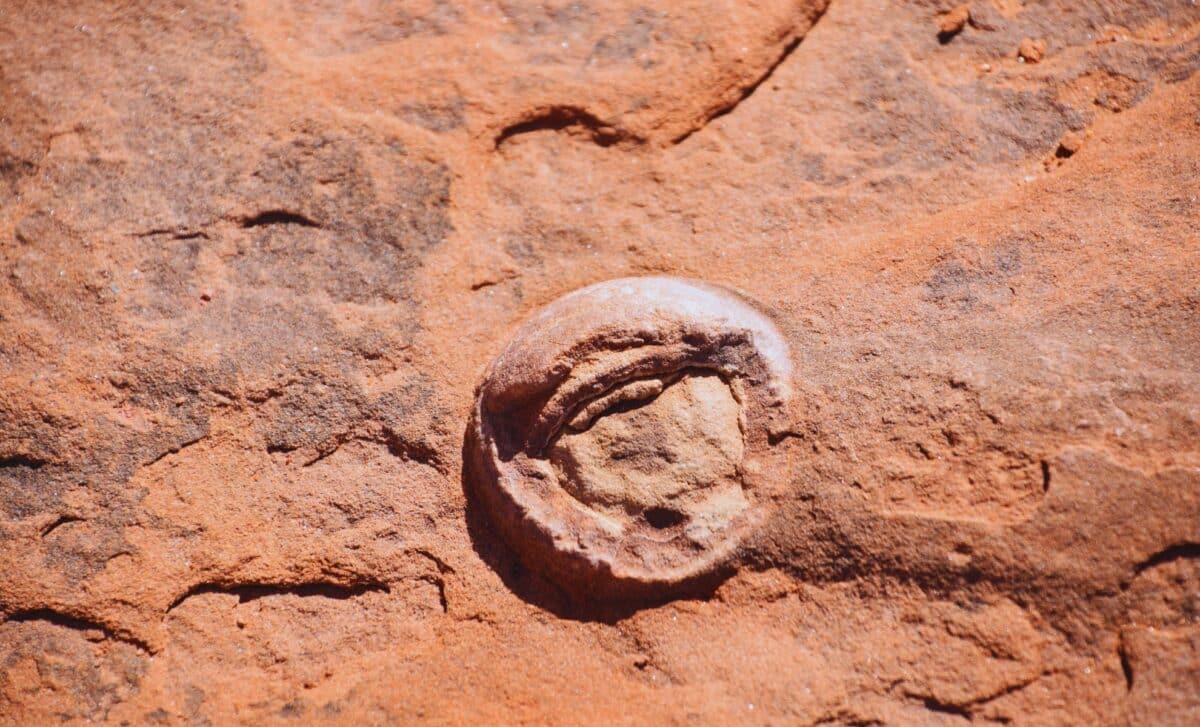
A fossilized dinosaur egg containing a second inside has been unearthed in central India, the first confirmed case of an ovum-in-ovo structure in a dinosaur. Found in the Lameta Formation near Padlya village in Madhya Pradesh, the specimen dates back to the Late Cretaceous and belonged to a titanosaur.
Led by Guntupalli Prasad of the University of Delhi, the research team says the discovery challenges the belief that this egg-laying anomaly occurs only in birds, hinting at unexpected reproductive similarities between titanosaurs, crocodiles, and modern birds.
Egg-within-an-egg Structure Revealed in Fossil
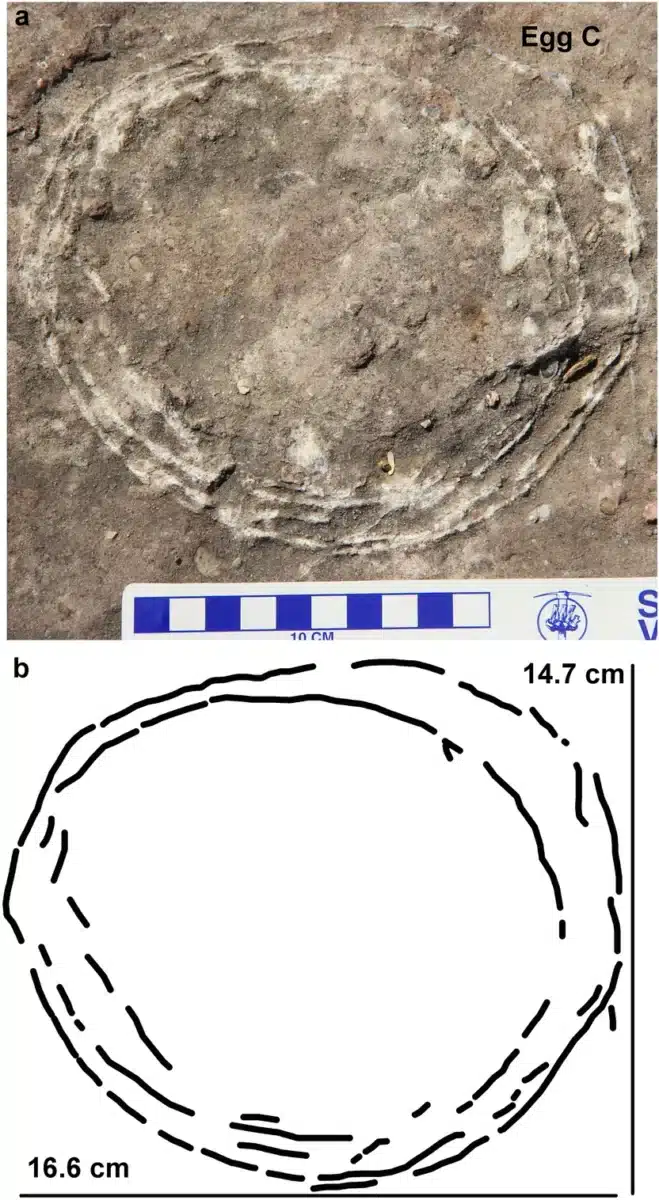
Thefossilized find, measuring 16.6 cm long and 14.7 cm wide, unearthed from a sauropod nest, exhibits all the characteristics of an ovum-in-ovo condition. As mentioned by the study published in Scientific Reports, the egg dates back approximately 68 million years and belonged to a titanosaurid, a group of large-bodied sauropod dinosaurs.
“The egg shows two circular and partially broken but complete eggshell layers occurring one within the other and with minor eggshell fragments present as curved remnants in between the two layers,” the study’s authors said.
The researchers concluded that the fossil represents an ovum-in-ovo pathology, citing its close similarity to the condition observed in modern birds. Images from the field show a crescent-shaped break in the shell and distinct eggshell outlines that further support this conclusion.
From Dino Eggs to Bird Nests
The ovum-in-ovo condition had, until now, only been confirmed in birds, where it results from the backward movement of a nearly complete ovum into the upper oviduct, where it is then encased by another shell. The presence of this condition in a titanosaur nest opens new questions about dinosaur reproductive anatomy. According to Guntupalli Prasad and colleagues:
“The presence of ovum-in-ovo pathology from a titanosaur nest supports the idea that the titanosaurs had an oviductal functional morphology similar to birds.”
The study emphasizes that while several reptiles lay eggs simultaneously using a generalized uterus, birds and crocodiles have a more specialized, compartmentalized uterus.
Bizarre Eggs That Reveal Dinosaur Biology
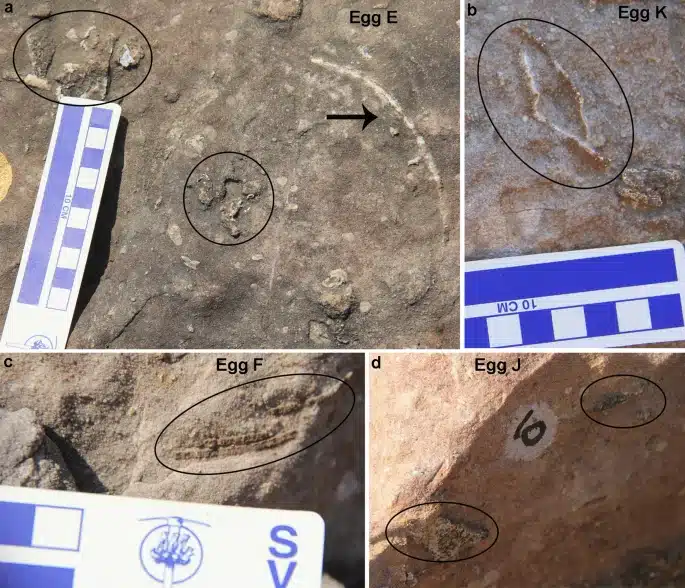
Ovum-in-ovo is just one of several pathological conditions known in the fossil record. Other examples include multi-shelled eggs, unusually shaped shells, specimens without yolks, and irregular shell thickness. These abnormalities provide important insights into the reproductive biology and physiology of both extinct and living species.
As noted by the research, multi-shelled egg pathologies have been found in various amniotes, including turtles, lizards, crocodiles, and even some extinct bird species.
“While several other amniotes have a generalized uterus and laid the eggs simultaneously, the alligators and crocodiles show more similarity with birds by having a specialized segmented uterus while keeping the reptilian mode of egg laying,” the researchers said.
The study concludes that this fossil helps clarify the evolutionary connections between dinosaurs, birds, and crocodilians. By identifying shared reproductive traits, paleontologists can reconstruct how complex biological systems developed over millions of years and how ancient species may not have been so different from the animals we see today.
First Appeared on
Source link






