


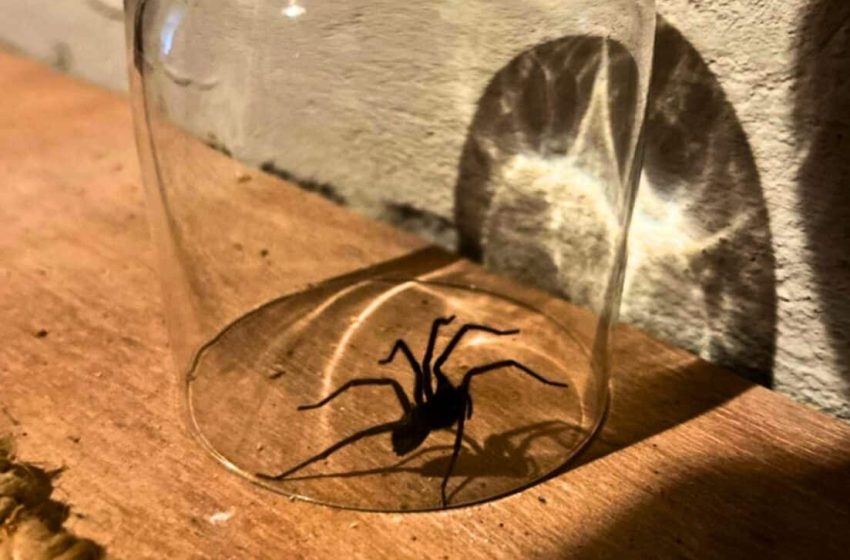
Releasing a Spider Outside Seems Like the Nice Thing to Do… but It’s Often a Very Bad Idea
A spider on the wall usually sets off the same little drama. A glass comes down, a piece of paper slides underneath, and someone carries the animal to the yard as if they are correcting a mistake. It feels gentler than a shoe, and it feels more humane than leaving it indoors.
That instinct rests on a simple idea: the house spider must have wandered in from outside and should be returned there. The logic seems tidy because gardens, hedges, and sheds look like proper spider territory, while kitchens and bathrooms do not. But the spider crossing a ceiling may not be a lost visitor at all.
Arachnologists describe a very different picture. Some spiders that turn up indoors are adapted to life inside buildings, where temperature, shelter, and prey stay relatively stable. Moving them outdoors can expose them to conditions they are not equipped to handle.
The Spider Was Not Necessarily Visiting
Rod Crawford of the Burke Museum of Natural History and Culture puts the point bluntly in the museum’s spider myths guide. You cannot put something “back” outside if it was never outside in the first place, he writes, adding that while some house spider species can survive outdoors, most do not do well there and some can perish quickly once removed from the protective indoor habitat. That turns a familiar act of kindness into something less reassuring.
Experts make the same distinction in another way when they separate indoor-adapted spiders from native species that belong to outdoor habitats. That difference matters before any release. A house spider that has settled into a building may already be living in the place where food and shelter suit it best.
In an interview cited by Live Science, Crawford says a spider native to the area will likely be able to survive outside, but a transplant that has become a house spider will probably perish there. The reason, he says, is that most spiders are adapted to specific places and temperatures.
A Yard Can Be Harsher than It Looks
The danger is not just cold air. Experts note that an indoor-adapted spider placed in a garden may suddenly face predators, pesticides, and unstable weather after living in the steady warmth of a building. What looks like a release into freedom can amount to a transfer into a much rougher habitat.
Crawford offered two examples that show how narrow a spider’s comfort zone can be. He said the American house spider, Parasteatoda tepidariorum, is probably native to northern South America and would live outdoors just fine if your backyard were in Brazil or Guyana. In other words, survival depends less on the word “outside” than on whether the outside matches the spider’s evolutionary home.
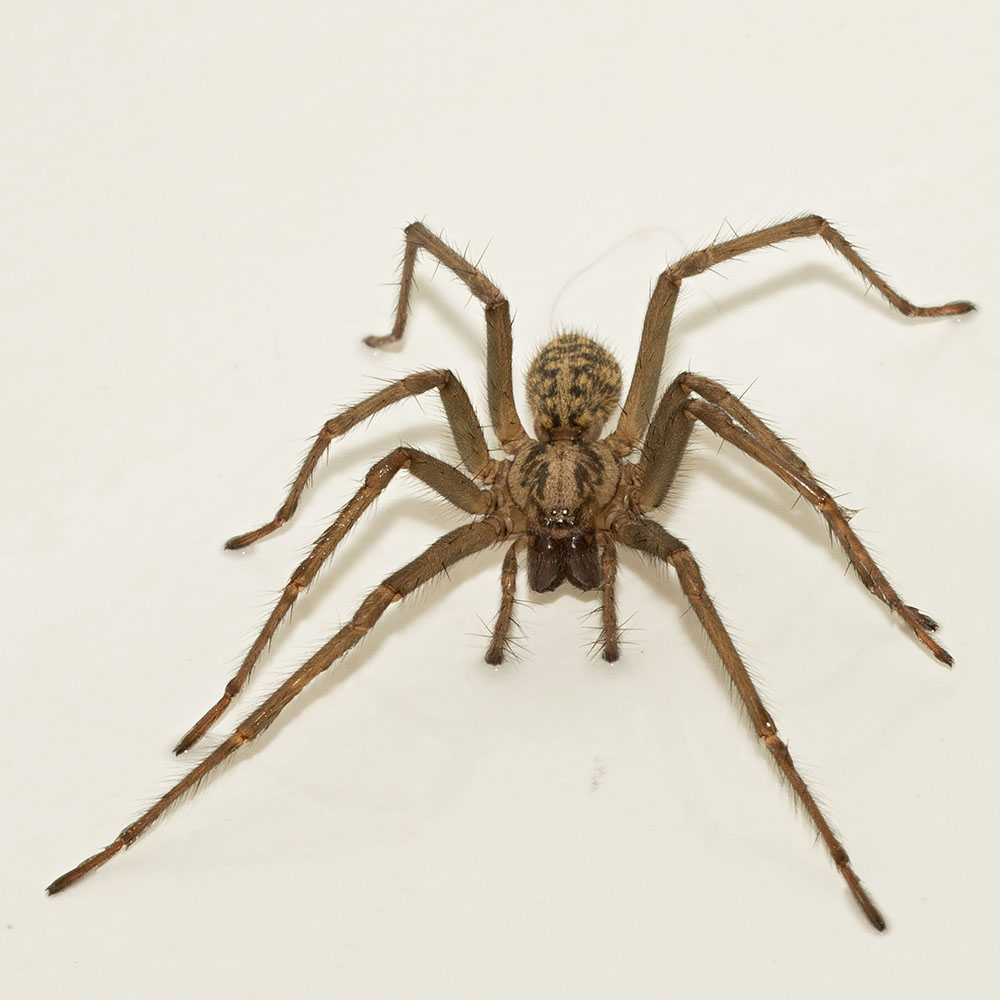
He also pointed to the giant house spider, Eratigena atrica, a species native to England that spread to the Pacific Northwest. Seattle’s climate may seem comparable to London’s, yet the species is hardly ever found in natural habitats there and instead turns up in buildings, brick piles, junk piles, and retaining walls. Crawford said it can survive to some extent outside buildings, but “always in a man-made shelter.”
The Quiet Work of a House Spider
There is another reason experts hesitate to evict indoor spiders. They help regulate flies, mosquitoes, moths, and other unwanted insects inside homes. The Burke Museum makes the same point more briefly, calling house spiders mostly harmless and beneficial.
Another detail makes the relationship easier to picture. Crawford said most of the spiders people notice in a house belong to indoor populations that can range from 50 to several hundred individuals. They tend to stay in nooks, crawl spaces, basements, and other lightly used areas while catching small pests, which means the single house spider seen on a bedroom wall is probably only the visible edge of a larger indoor population.
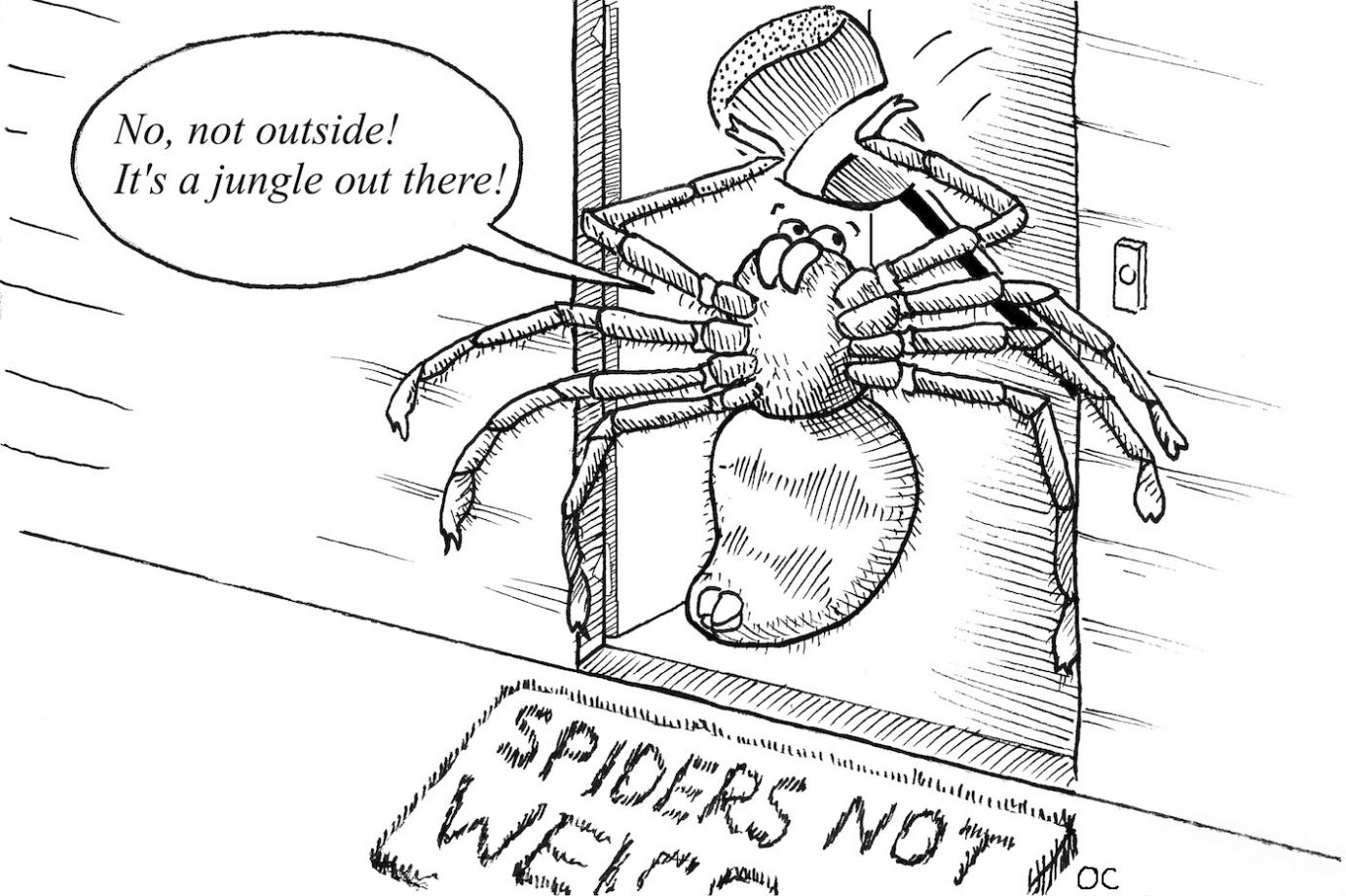
That is why Crawford’s practical advice is not to kill the spider and not to throw it outside. He says moving it to another part of the residence, such as a garage, is a better option. Experts elsewhere offer nearly the same recommendation, suggesting a discreet indoor place like a cellar or garage for spiders adapted to interior life.
Not Every Spider Follows the Same Rule
There is still room for exceptions. A confirmed outdoor native species can be released near the home in a vegetated area if the species has been identified with certainty. That caveat matters because the right response depends on what kind of spider you are handling, not just where you found it.
A second view comes from Rick Vetter, a retired research associate of entomology at the University of California, Riverside, who was also quoted by Live Science. Vetter argues that some spiders prefer the inside of a house, but also notes that before houses existed, spiders lived outdoors. His position is simpler: toss them outside, he said, because they might die there, but they might also find suitable habitat.
Even with that disagreement, the broad message is consistent. Treating every indoor spider as an outdoor creature is often a bad guess, and that guess can kill the animal people think they are sparing. In the account given by Crawford and the museum, the safest general assumption is that a house spider found indoors may already be exactly where it can survive best.
First Appeared on
Source link






