



ROMEO IS A DEAD MAN Benchmarks & PC Performance Analysis
Grasshopper Manufacture has just released ROMEO IS A DEAD MAN on PC. Powered by Unreal Engine 5, it’s time now to benchmark it and examine its performance on PC.
For our benchmarks, I used an AMD Ryzen 9 7950X3D, 32GB of DDR5 at 6000Mhz, AMD’s Radeon RX 6900XT, RX 7900XTX, RX 9070XT, as well as NVIDIA’s RTX 2080Ti, RTX 3080, RTX 4090, RTX 5080, and RTX 5090. I also used Windows 10 64-bit, the GeForce 591.86, and the Radeon Adrenalin Edition 26.1.1 drivers.
Grasshopper Manufacture has added a few graphics settings to tweak. PC gamers can adjust the quality of Textures, Global Illumination, Foliage, Shadows, and more. The game also has support for AMD FSR 3.0, NVIDIA DLSS 4, and Intel XeSS 2.0. However, the in-game settings are completely broken.
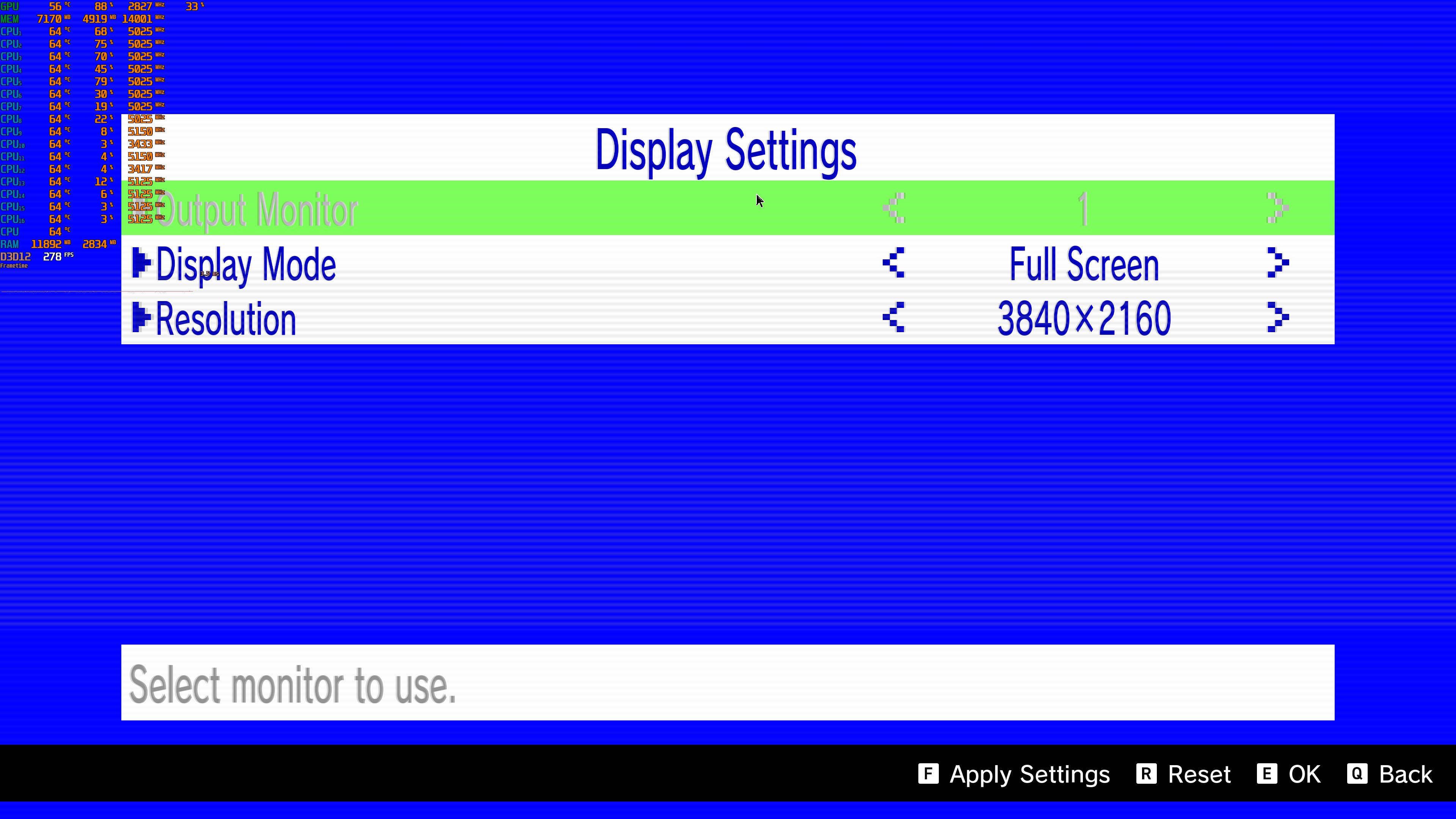
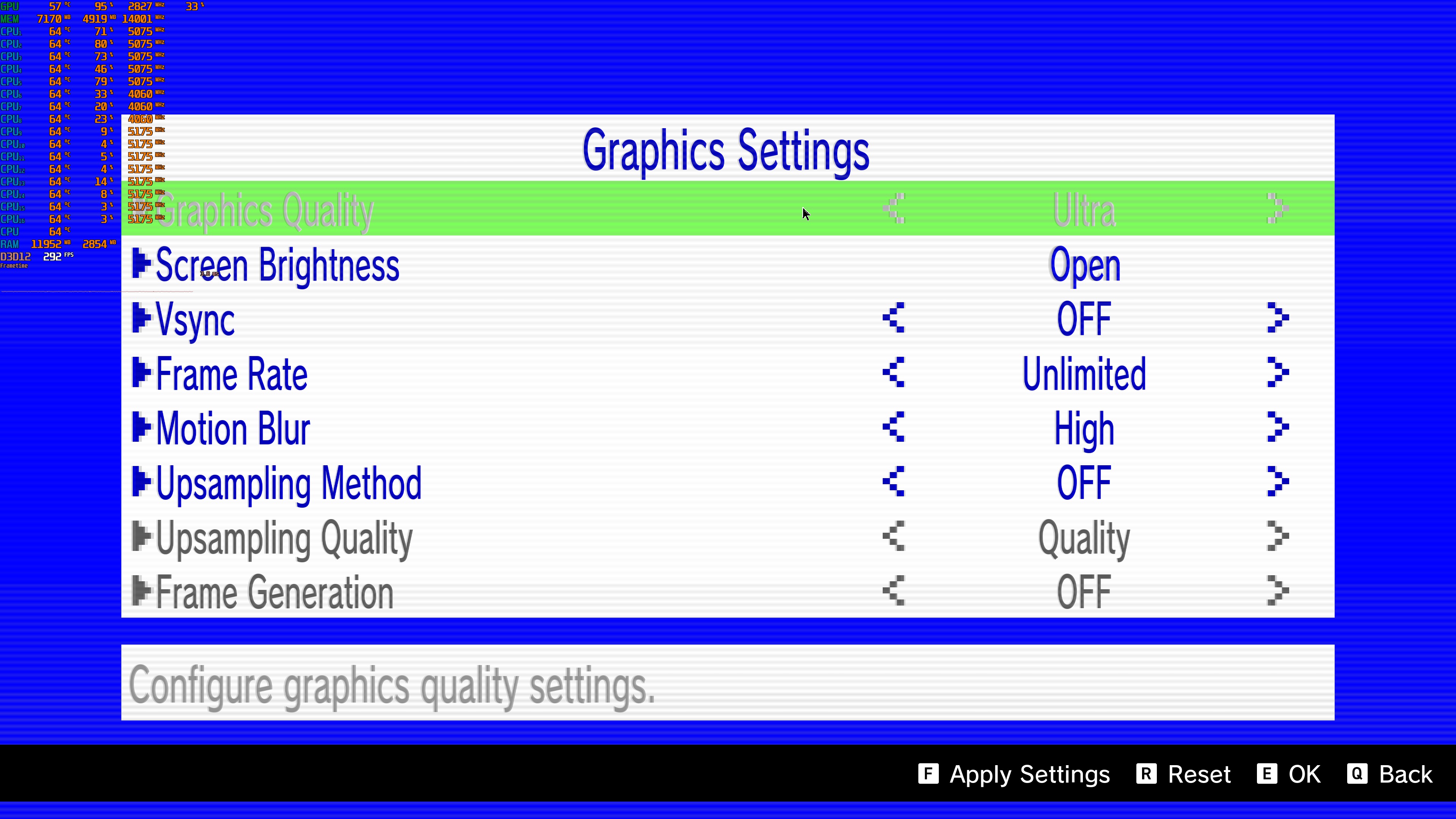
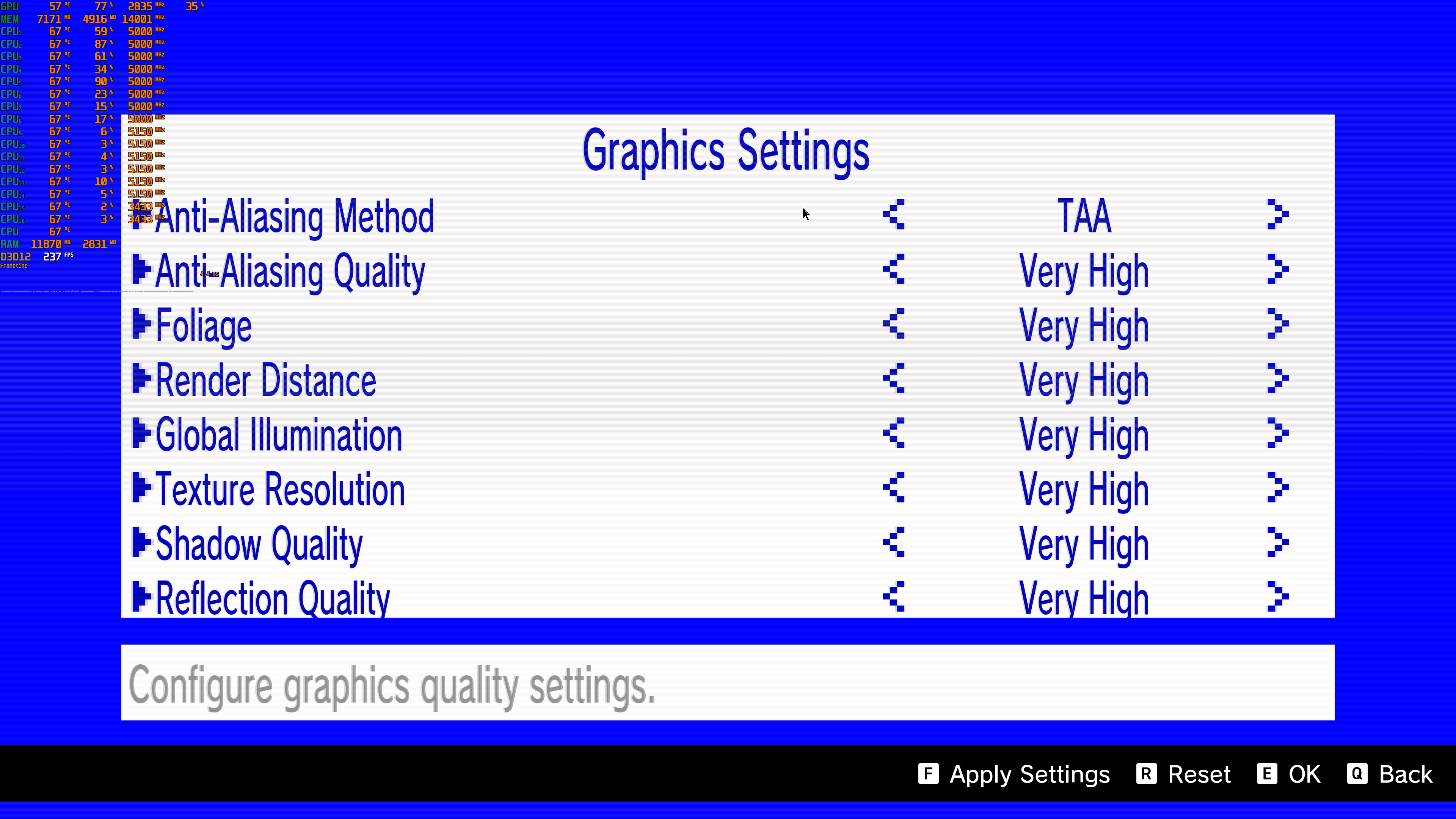
Let me explain what I mean. For some strange reason, the game does not adjust its settings when you change the Graphics Quality option. So, if you want real “Medium” settings, you must manually set both the Graphics Quality and every individual option to Medium.
On top of that, none of the PC upscalers work. I tried using NVIDIA DLSS 4 and AMD FSR 3.0, and neither of them did anything. It didn’t matter whether I used DLSS 4 Performance or FSR 3.0 Quality — the game ran exactly the same as it did at native resolution.
I’m not sure what’s going on, but these are some of the worst graphics settings I’ve ever seen in a PC game. Oh, and in case you’re wondering, Frame Gen does not work too. So yeah, I don’t know what the devs were thinking. Was it too hard to see whether its in-game settings worked?
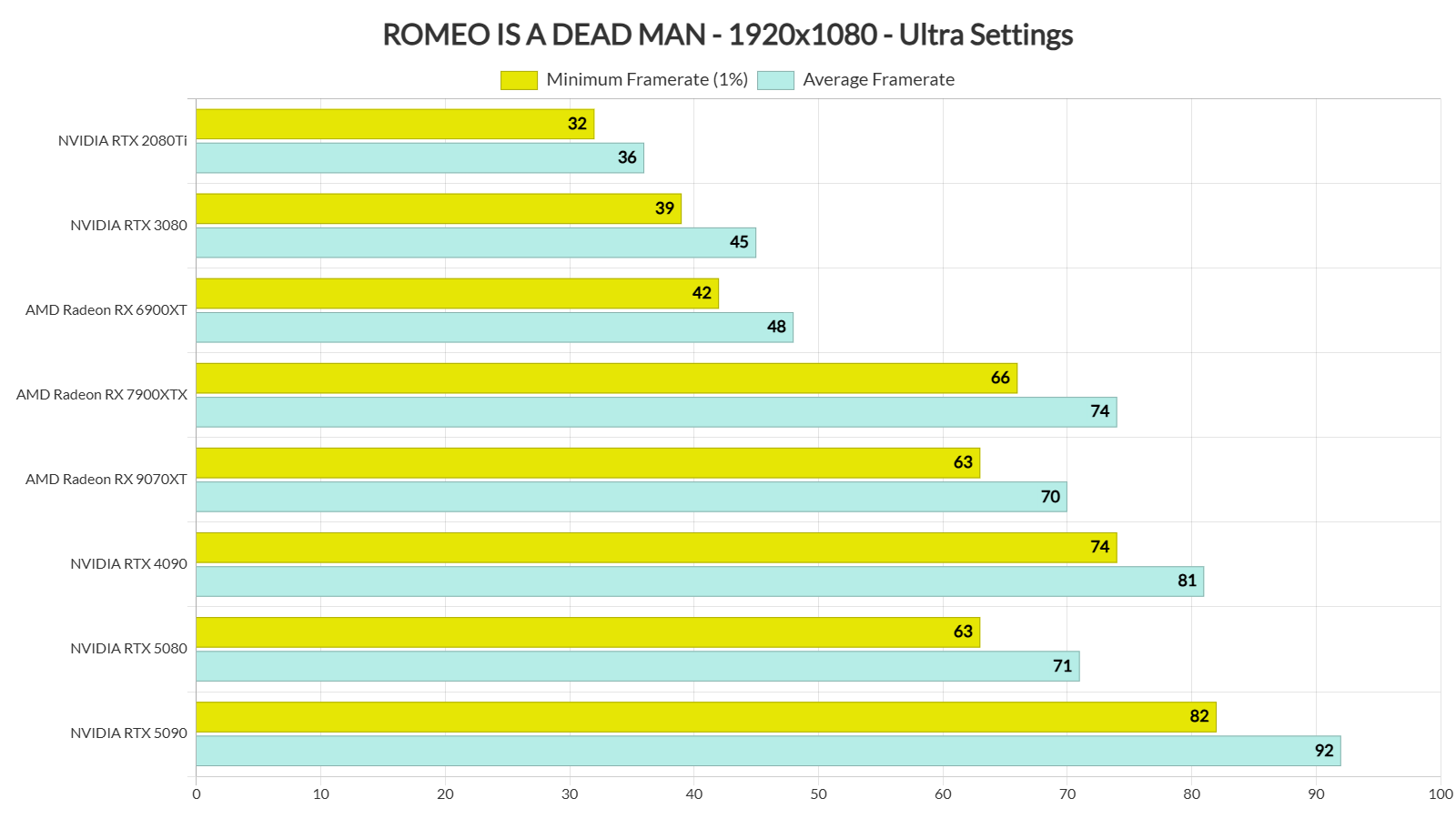
ROMEO IS A DEAD MAN is also a very demanding game. Our top five GPUs were able to push framerates over 60FPS at 1080p/Ultra Settings. This particular title seems to favour AMD’s hardware. As such, the AMD Radeon RX 9070XT was able to match the performance of the NVIDIA RTX 5080.
The only GPU that was able to push framerates over 60FPS at all times at 1440p/Ultra Settings was the NVIDIA RTX 5090. The NVIDIA RTX 4090 was also able to offer a smooth gaming experience, though it could drop below 60FPS during combat. As for Native 4K/Ultra, there is no GPU that can hit 60FPS.
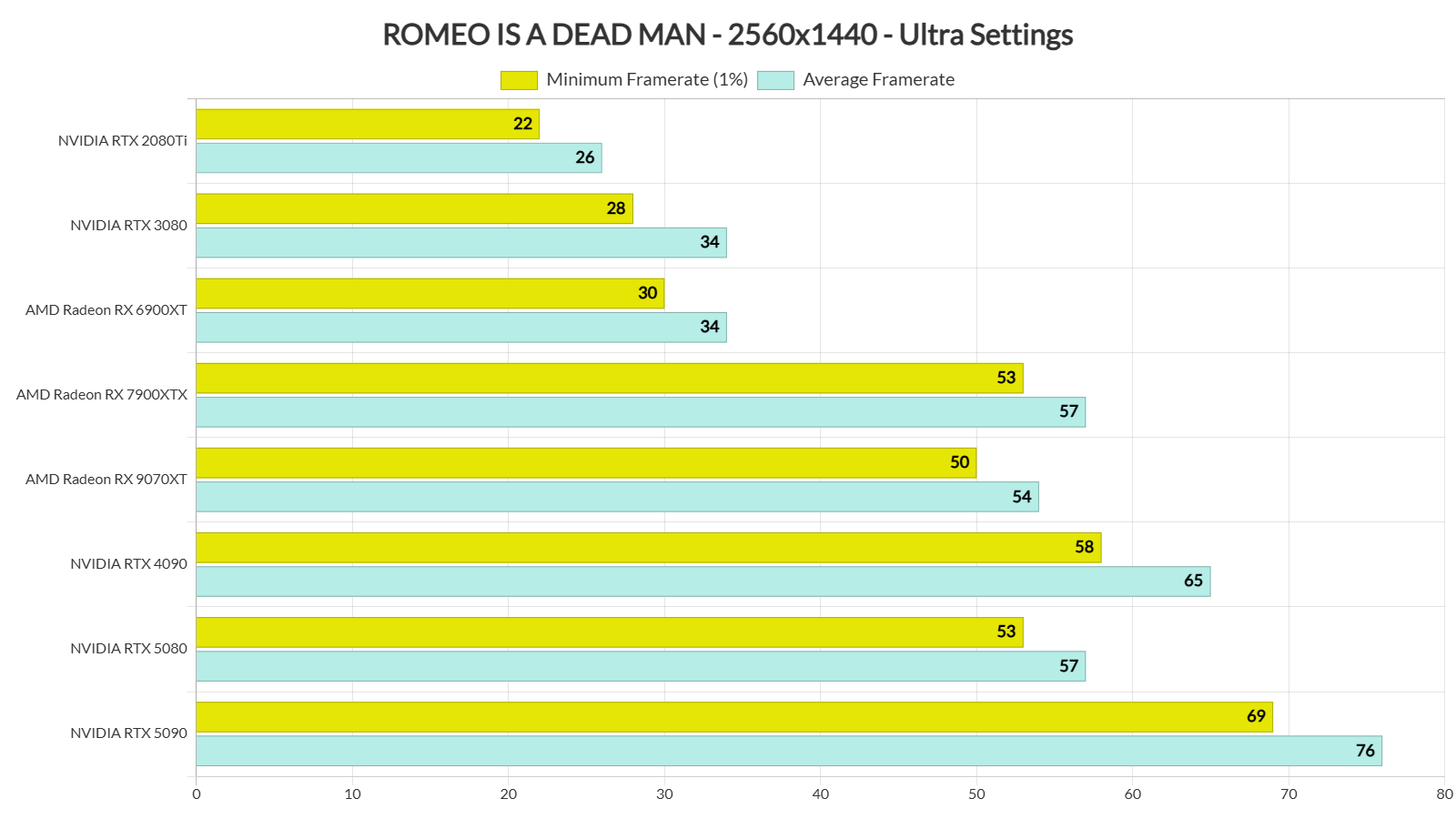
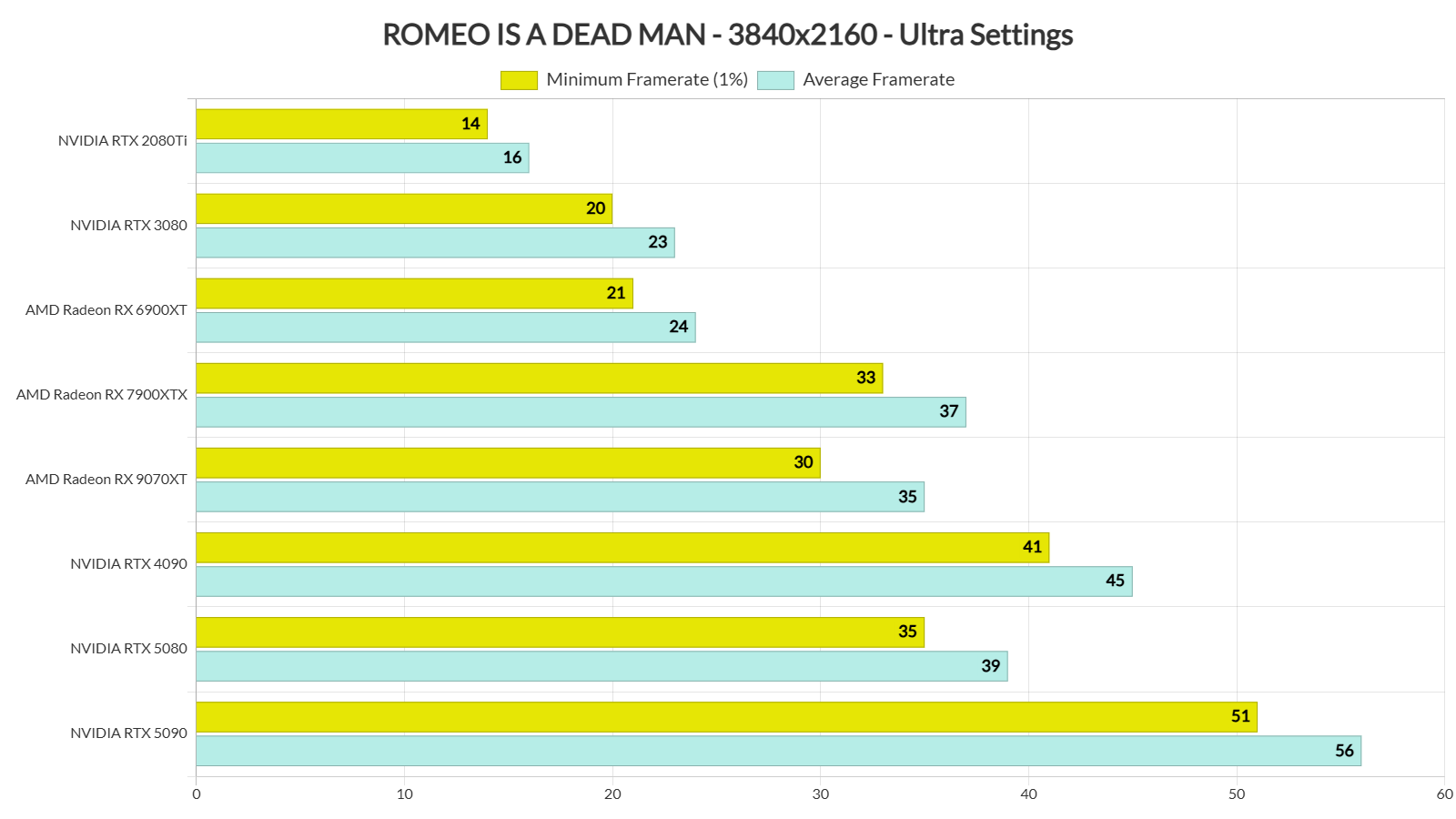
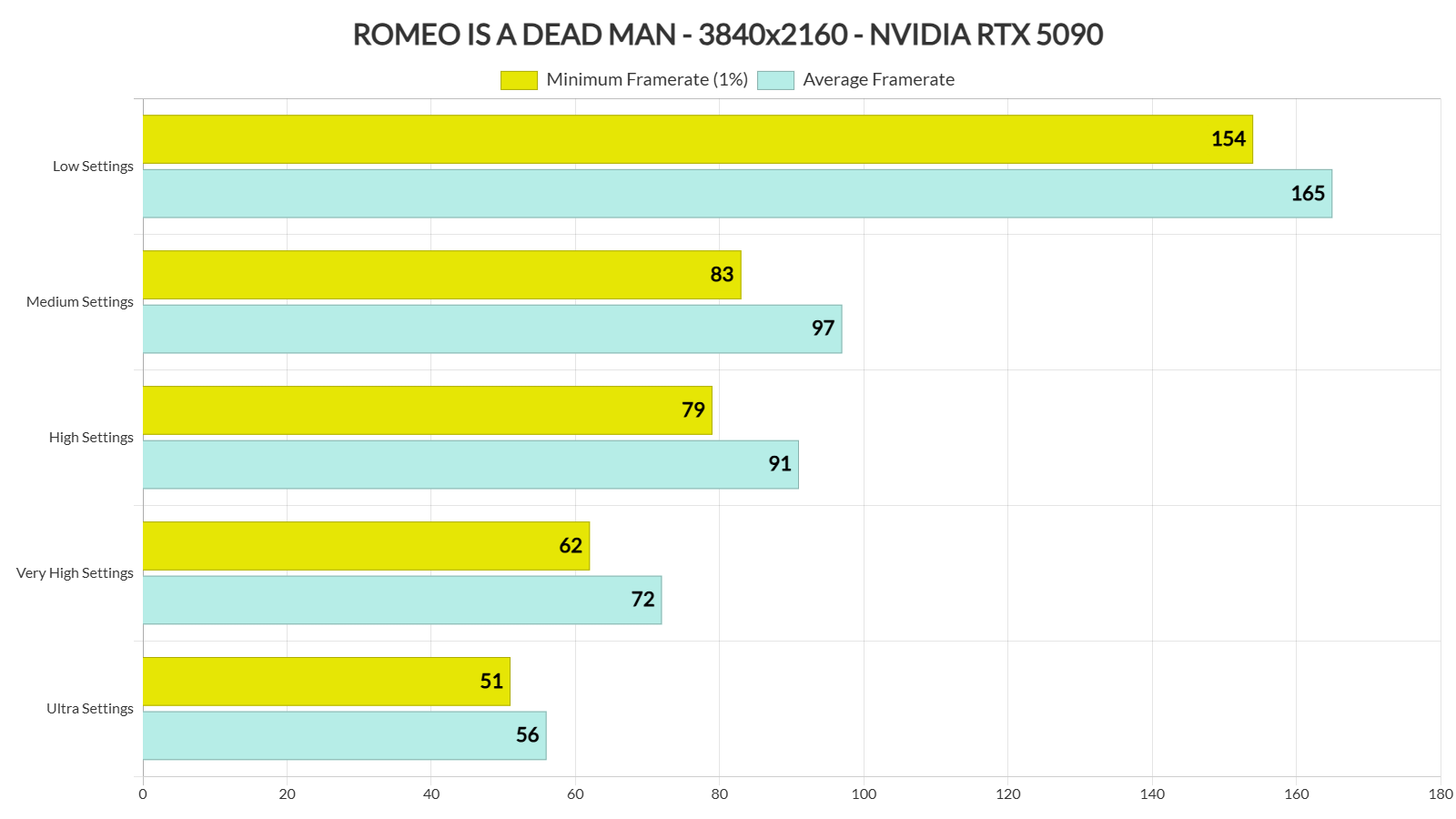
So, the Ultra settings are very demanding. But what about the other presets? By lowering them to Very High, we were able to get a steady 60FPS at native 4K on the NVIDIA RTX 5090. This means a 28% performance boost. Dropping the settings to High gave us another 26% increase. Medium settings provided only a small improvement, but Low settings delivered a major performance jump.
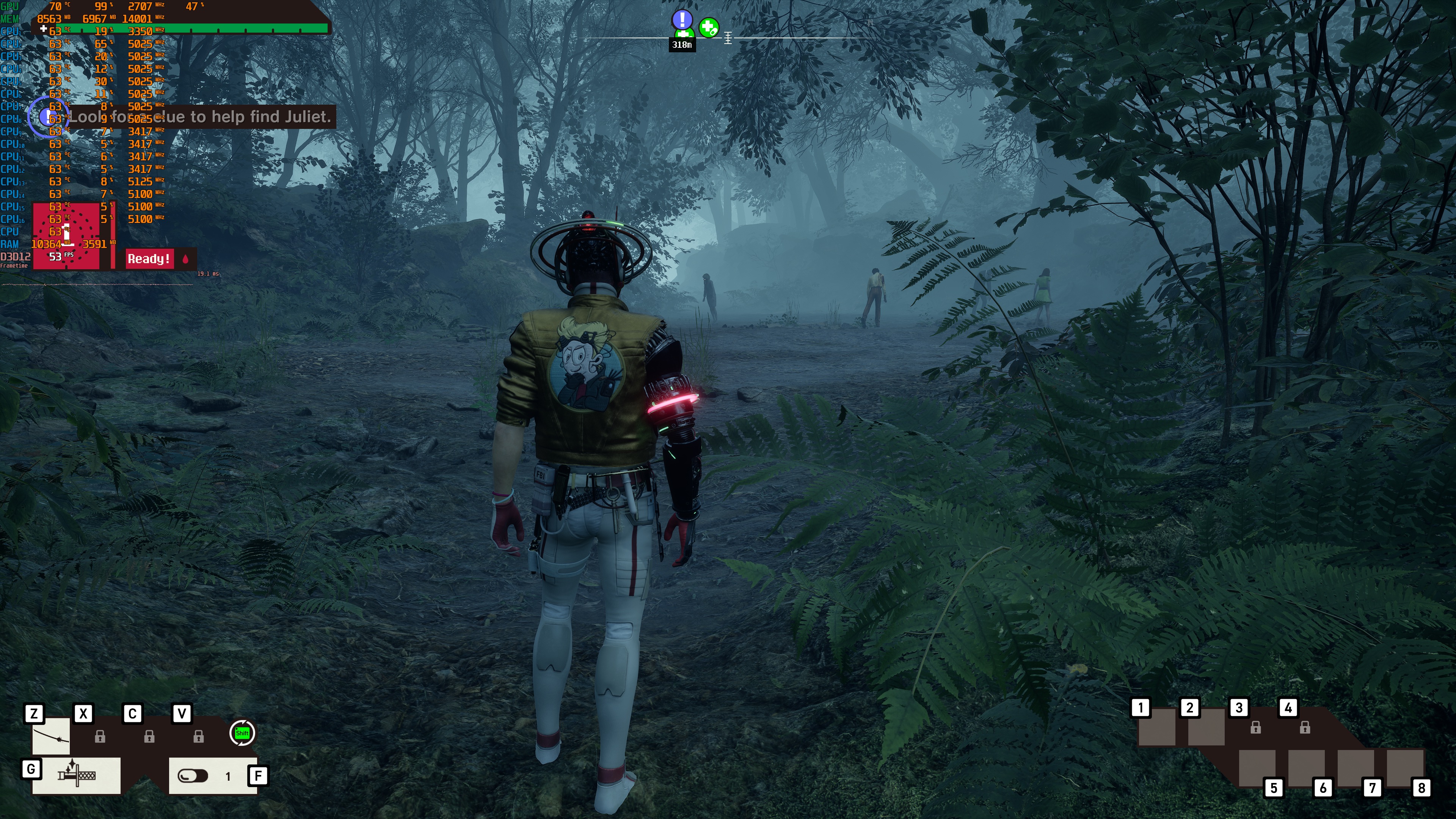
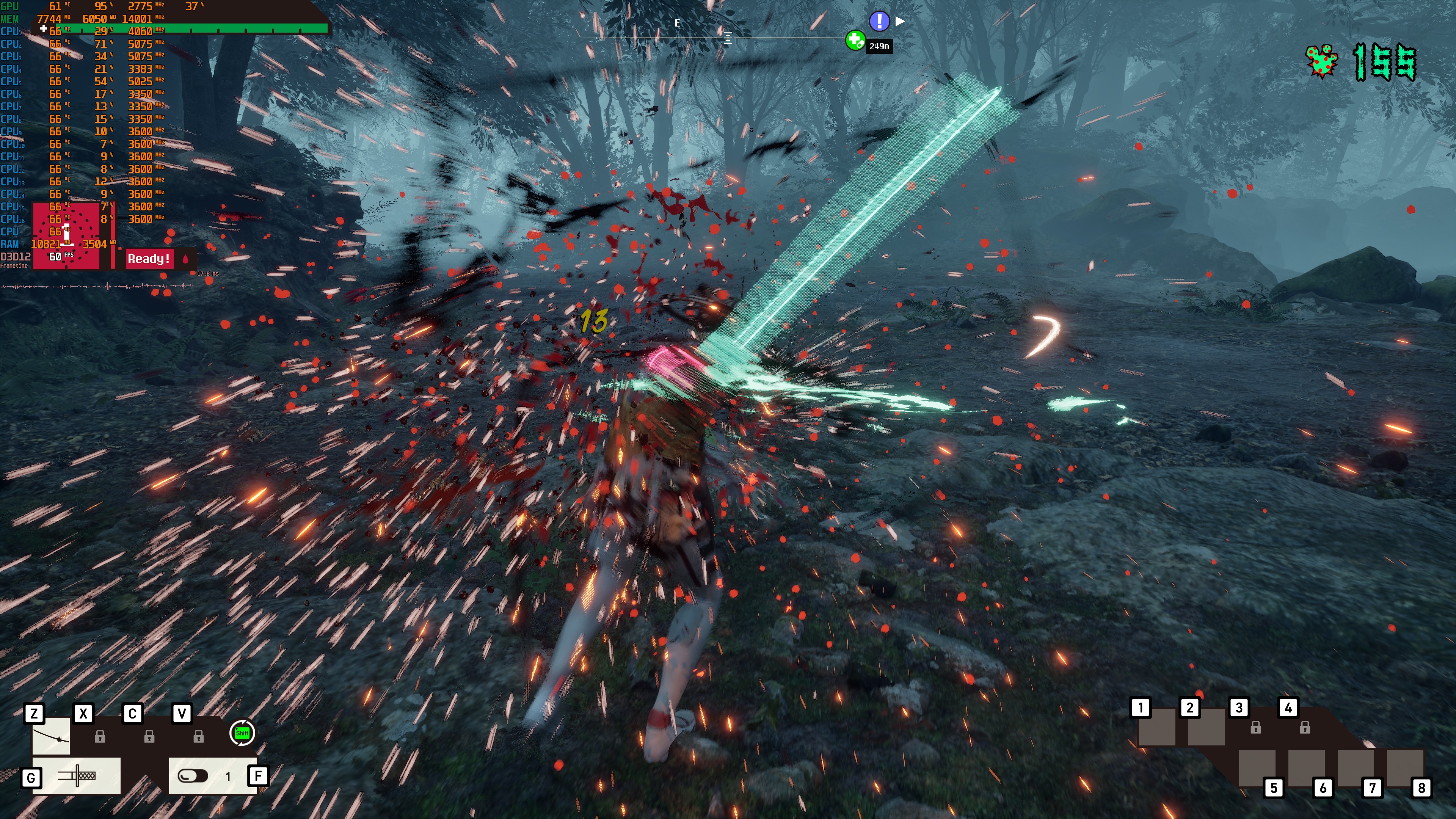
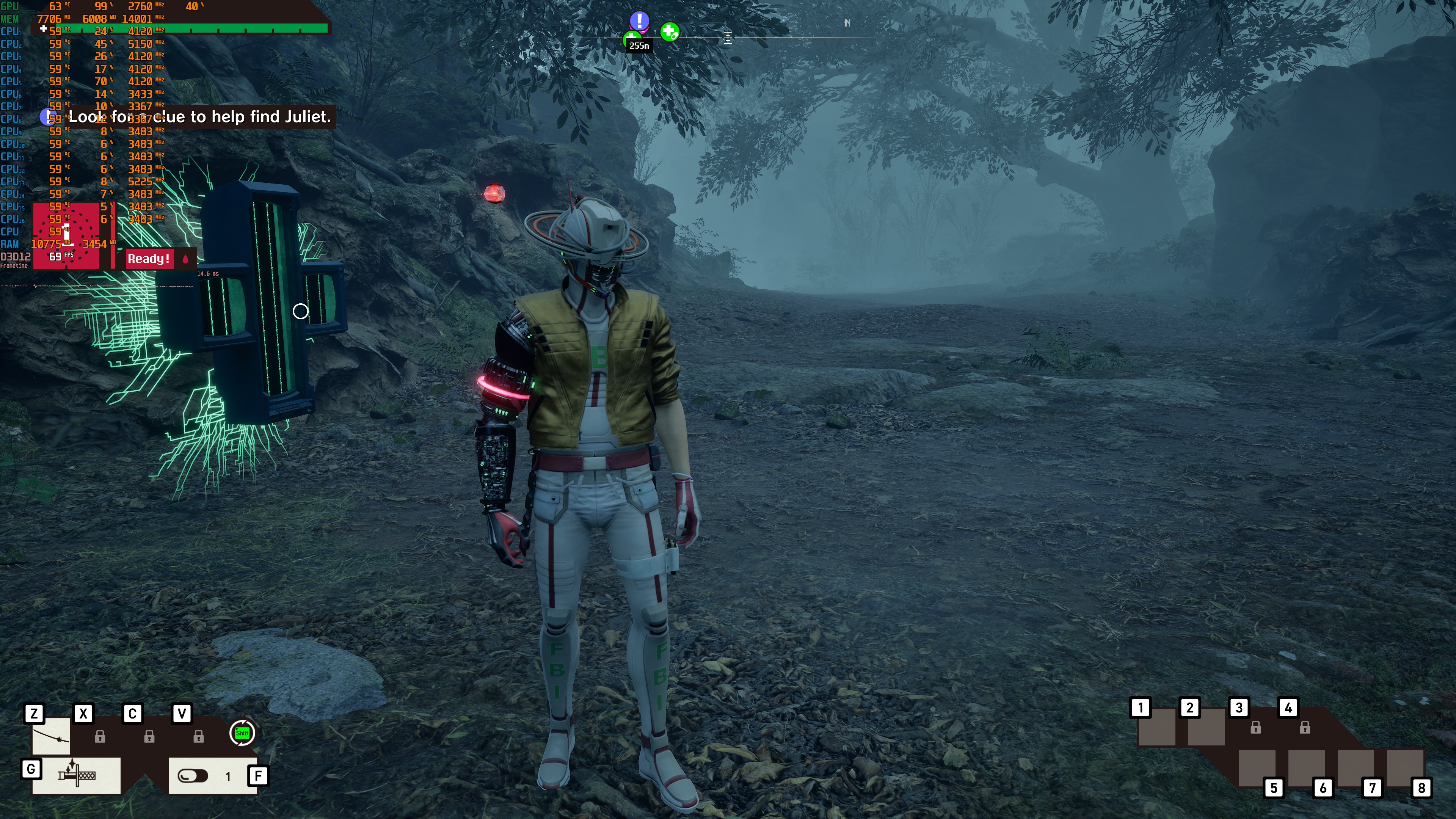
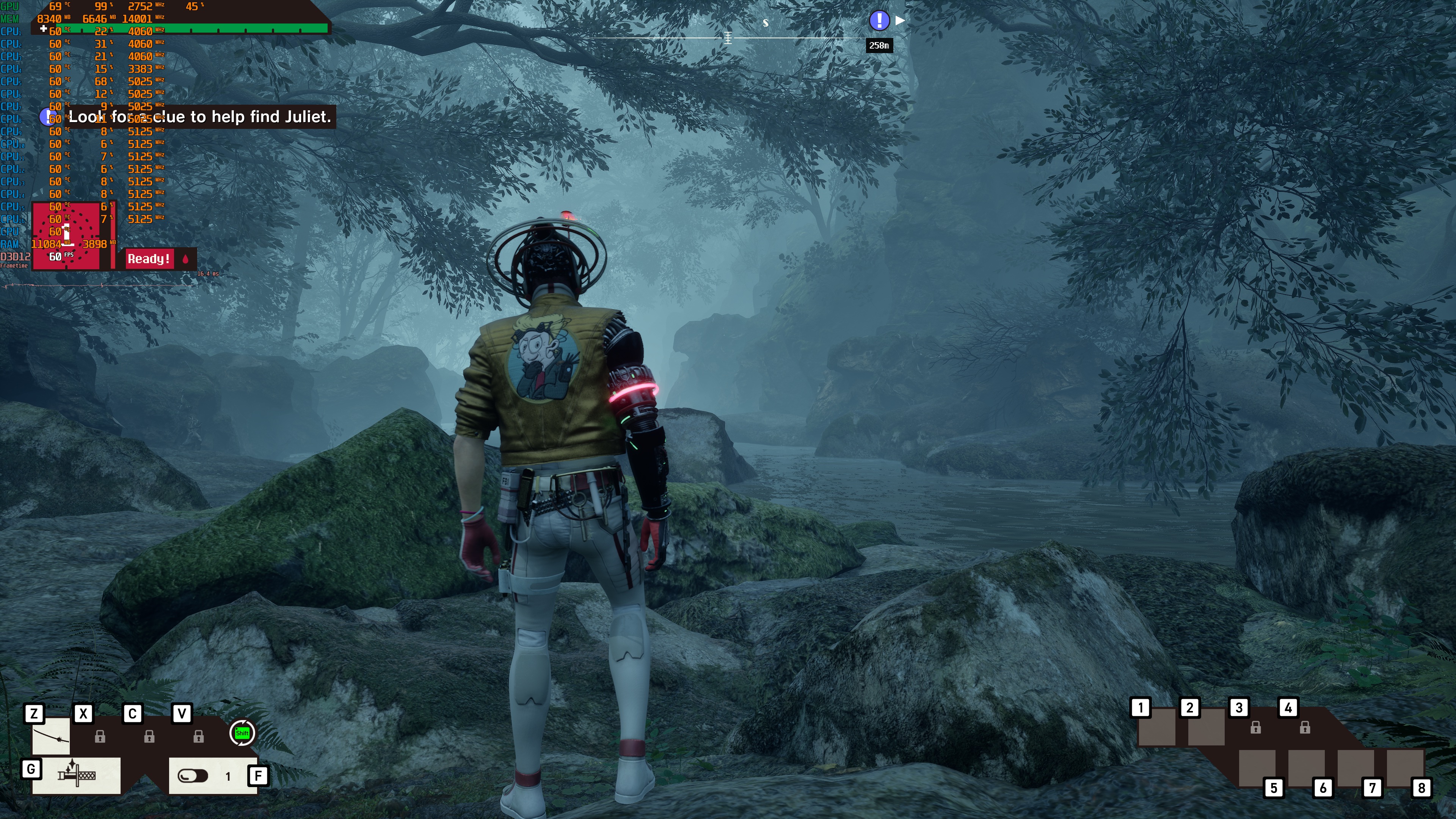
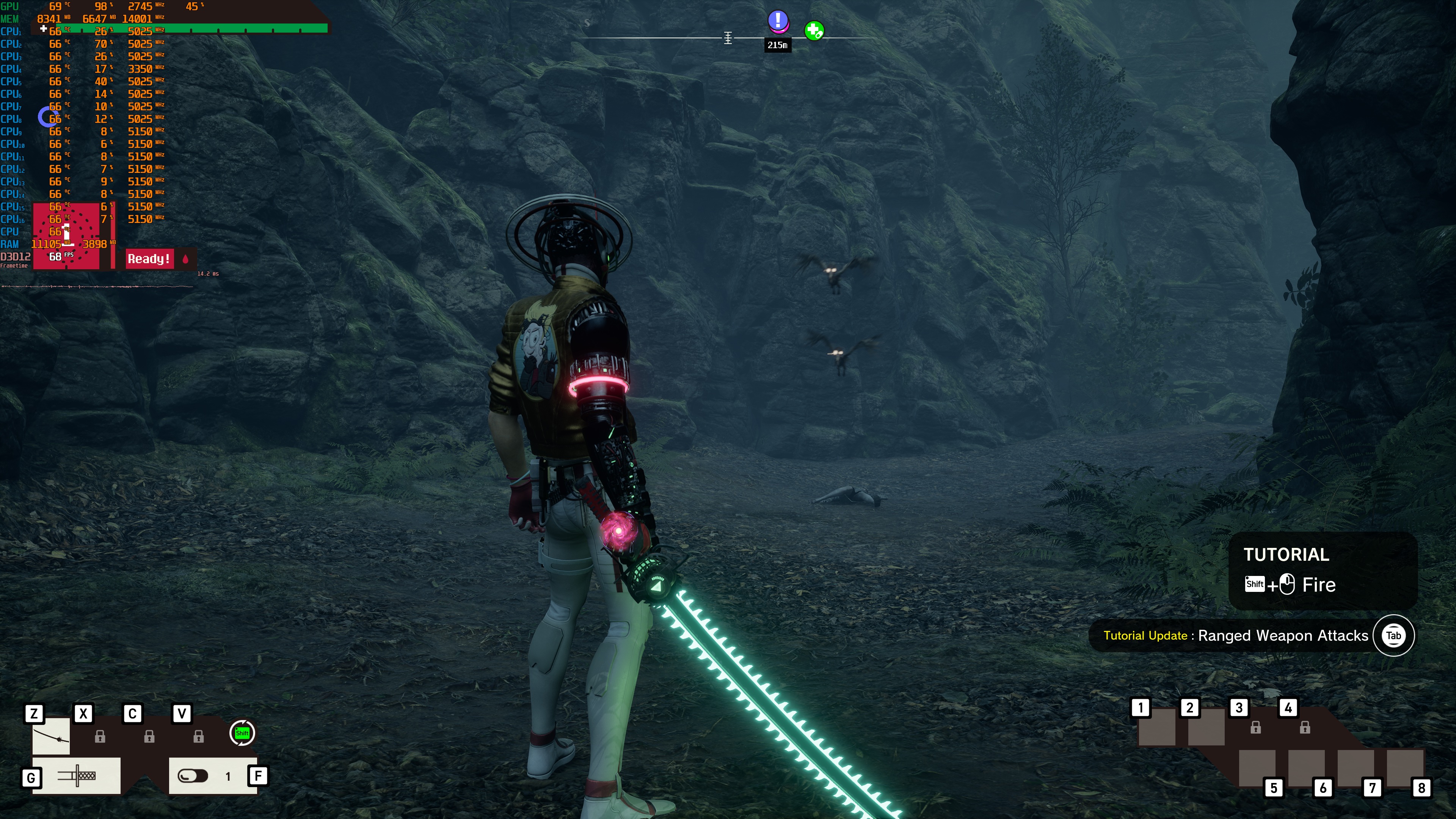
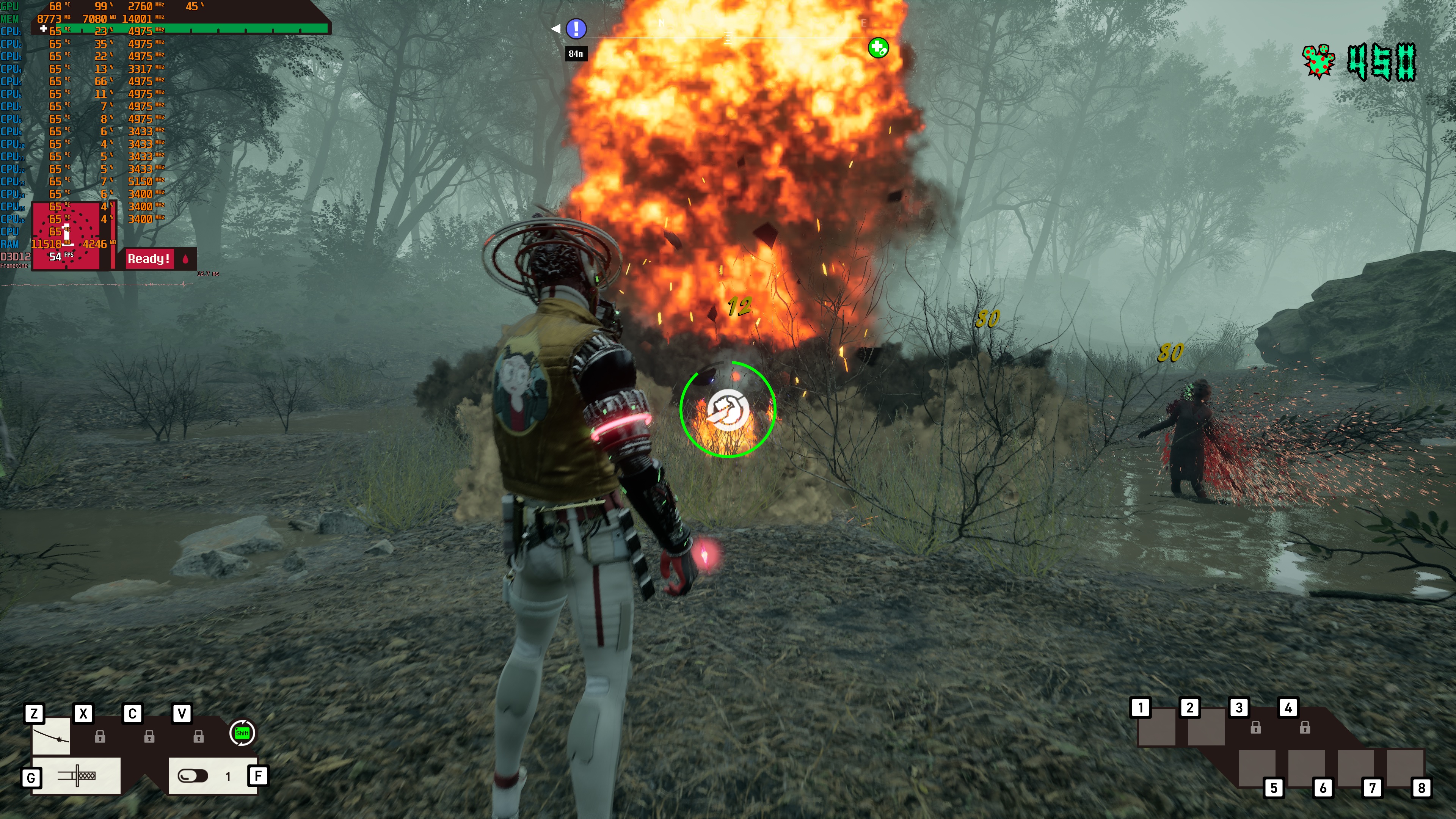
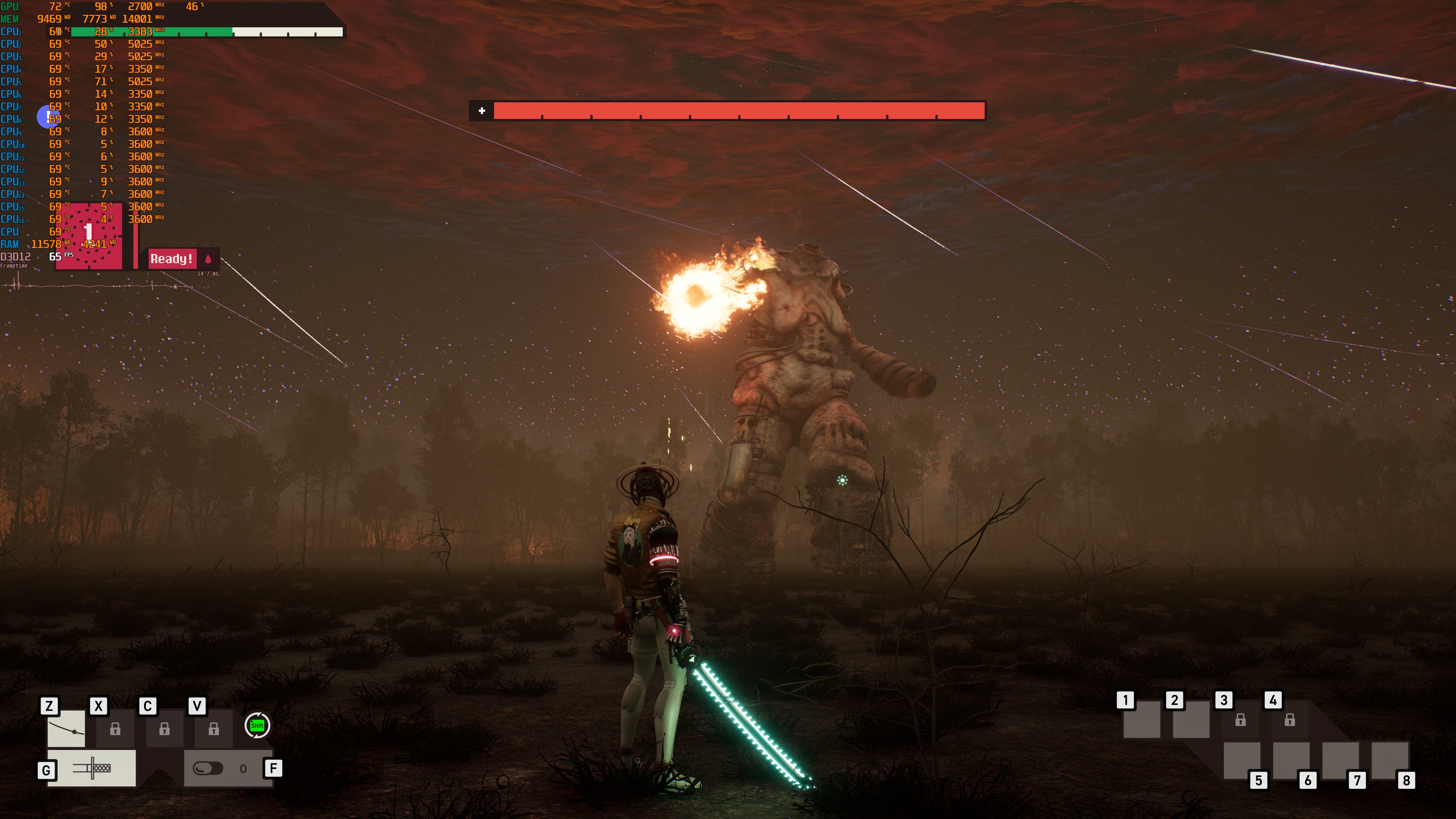
The good news here is that ROMEO IS A DEAD MAN looks amazing. The character models look detailed, and the environments look great. Thanks to UE5’s Nanite, there aren’t any major pop-in issues. The game also uses Lumen, and as such, its lighting looks consistently great. Moreover, it has a lot of high-quality textures. This is easily the best-looking game that Grasshopper Manufacture has created.
All in all, ROMEO IS A DEAD MAN looks great but has very high GPU requirements. This is to be expected from an indie game built on Unreal Engine 5. It’s not the worst-optimized UE5 game, but it’s definitely not the best either. It sits somewhere in the middle. It isn’t a performance mess.
The biggest issue is that none of the PC upscalers work. And honestly, this shows why DLSS and FSR are so important today. Yes, you can lower your graphics settings to boost performance, but I would choose DLSS 4 Quality with Very High settings any day over native 4K on High or Medium. But that’s just me.
Enjoy!

John is the founder and Editor in Chief at DSOGaming. He is a PC gaming fan and highly supports the modding and indie communities. Before creating DSOGaming, John worked on numerous gaming websites. While he is a die-hard PC gamer, his gaming roots can be found on consoles. John loved – and still does – the 16-bit consoles, and considers SNES to be one of the best consoles. Still, the PC platform won him over consoles. That was mainly due to 3DFX and its iconic dedicated 3D accelerator graphics card, Voodoo 2. John has also written a higher degree thesis on the “The Evolution of PC graphics cards.”
Contact: Email
First Appeared on
Source link






