



Science says the ‘7:1’ sleep rule could add 4 years to your life — here’s why and how to start using it tonight
You’re probably already aware of the effects of not getting enough sleep. Not only can sleep deprivation lead to mental and physical health risks, studies have shown that it can shorten life expectancy. But what if there was a way you could do the opposite — hack your sleep to add years to your life?
A huge new study by Vitality and The London School of Economics and Political Science (LSE) has found that following a simple sleep hygiene rule can potentially increase your life span by as much as four years.
What did the study discover?
- The new study says that practicing the following two key sleep hygiene habits can help you live up to 4 years longer
- The ‘7:1’ rule means getting regularly getting 7 hours of sleep within a 1-hour window
- Sticking to a healthy sleep duration and regular sleep timing can improve your life expectancy by 24%
Many of us aren’t getting enough sleep, and it’s potentially life changing. This new study points out that research shows 41% of people in both the UK and the US get less than seven hours sleep a night, and that regularly getting less than six hours sleep a night can lead to a 20% higher risk of early death.
So, this study used 47 million nights of sleep data (from wearable devices used by 105,000 individuals over a number of years) analyzed by researchers alongside health and wellness data, socio-economic data and insurance claims data.
Looking into the data, they found that maintaining good sleep habits can have a huge impact on our length of life and health.
An average person who starts going to sleep at the same time each night and getting more than seven hours of sleep a night may see an estimated 24% lower mortality risk, the researchers said, compared to people who slept less than seven hours and didn’t stick to a consistent bedtime.
This improvement, they explained, could translate to 2 to 4 more years of life, and better health with them (though they did note that this depends on factors including age and baseline life expectancy).
For context, going from a poor diet to an ideal one can add up to 4.5 years to life and from physically inactive to highly active can add up to 6 years to, the study noted.
People have been so focused on getting seven, eight hours of sleep per night. But the study highlighted that sleep regularity and consistency is more important.
Dr. Katie Tryon, Deputy CEO at Vitality
And, while the number of hours is important, Dr. Tryon highlights that the new research has shown that it’s getting sleep consistently paired with the regularity of bedtime that’s key.
“I feel like people are more tuned in to how much physical activity you need,” says Dr. Tyron.
“I think it applies the same to bedtime in where people have been so focused on getting seven, eight hours of sleep per night. But the study highlighted that sleep regularity and consistency is more important.”
When just looking at the effect of sticking to that one-hour bedtime window, the study found it can reduce mortality risk by 31%.
Plus, the new research revealed ways improving sleep can impact the healthcare system — sticking to the same seven hours rest and regular sleep time can lead to a reduction in hospital admissions by up to 7%.
So, what is the ‘7:1’ rule that can add up to 4 years to your life expectancy?
If you want to give yourself a chance of adding up to four years onto your life, the researchers suggest the ‘7:1’ sleep behavior rule.
That means getting at least seven hours of sleep and sticking to an hour window for going to sleep (for example, between 10pm-11pm), at least five nights a week.
Interestingly, the researchers also found that only 10% of people actually follow the above, which they describe as “optimal sleep patterns.”
That means a huge 90% of people don’t, and could potentially benefit from making these simple changes to their sleep habits.
In fact, the study estimated that if just 25% of people with poor sleep patterns adopted the ‘7:1’ rule, it could lead to 39 million more years of added life in the UK and 191 million more in the US.
“I think being able to being able to start treating sleep as a modifiable behaviour… could make a huge difference in how people think about it and how people manage it and really help people improve their health,” Dr. Tryon says.

Why do we need consistency in our sleep times?
Our sleep is controlled by our internal body clock, known as our circadian rhythm. Going to sleep at the same time each night helps to keeps it regulated — think of it as teaching your body to know when its time for sleep.
This regulation is important because your circadian rhythm is responsible for the timely release of hormones responsible for sleep (like melatonin) at night and cortisol (for energy) in the morning.
However, as Dr. Tryon explains, that disrupting our circadian rhythm, for example, through shift work or moving through different time zones, (both of which can make it hard to go to bed at the same time each night), “has a significant impact on regulation of hormones, on regulation of metabolism, on on various other bodily metrics.”
Signs of a dis-regulated circadian rhythm, as licensed clinical psychologist Dr. Leah Kaylor previously told us, can include trouble falling asleep, frequent nighttime awakenings, feeling tired in the morning despite a full night of sleep and experiencing fatigue during the day.
How to fix your sleep schedule
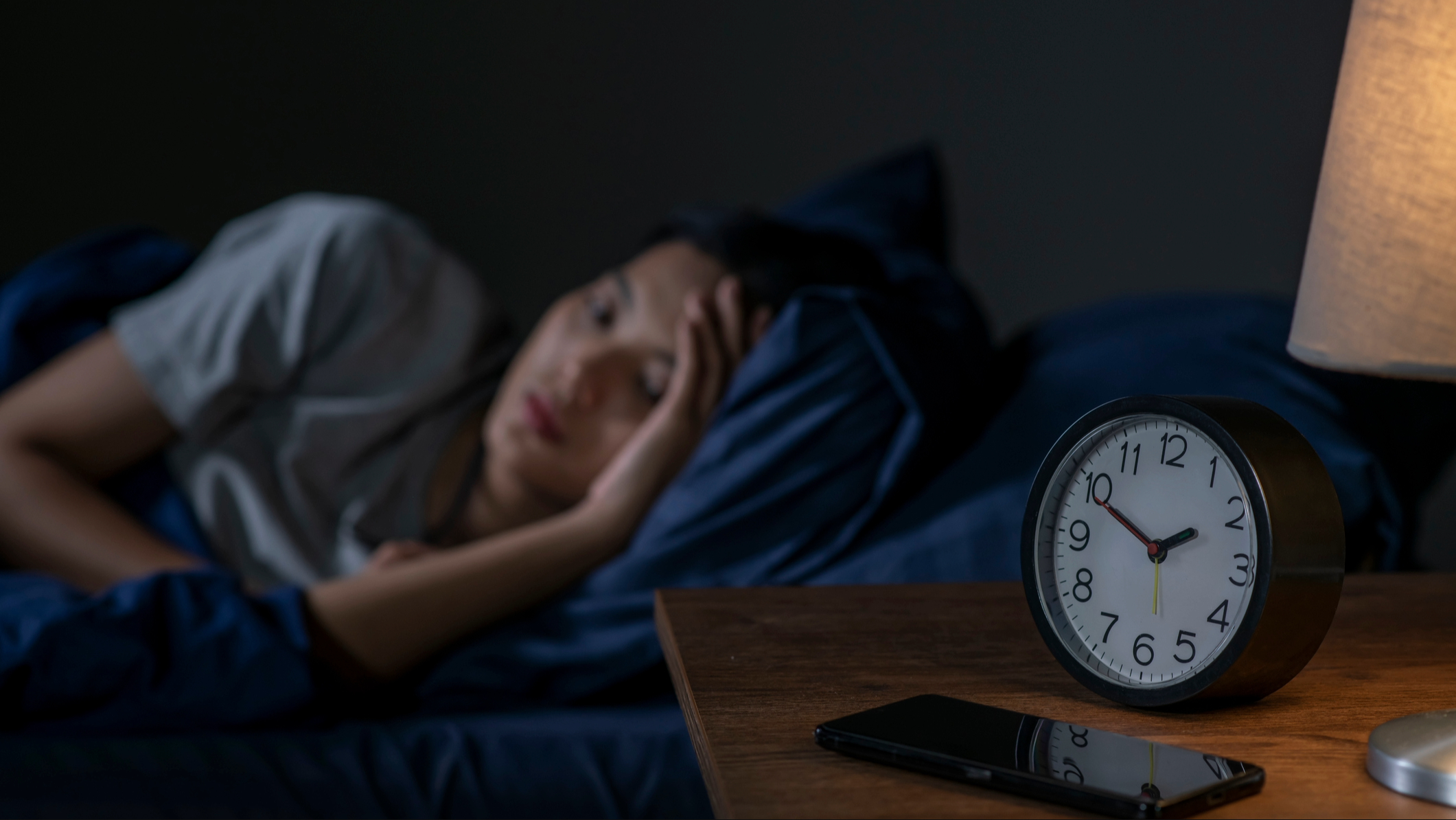
If you’re reading this and worrying that your bedtime is all over the place, there are some simple steps you can take to get your bedtime schedule back on track.
Dr. Lindsay Browning, a chartered psychologist and neuroscientist, has previously explained to us that it can be helpful to work out how much sleep you generally require to feel refreshed (for some it may be only 7.5 hours, while others might need 8.5 for example).
Then consider what time you need to wake up in the morning, and work backwards from there to make sure your bedtime allows you enough rest.
But if your current bedtime is much later, or a bit all over the place, Dr. Browning recommends moving towards your ideal sleep time in increments of 20 minutes each evening. So if you’ve been heading to bed at 12.30am, aim for 12.10am the first night, and 11.50pm the second, and so on.
For more, including how to factor in your chronotype, you can check out our guide on how to fix your sleep schedule.
How to get seven hours of sleep every night
“I think there is definitely still a huge benefit [if] you can’t have a consistent sleep schedule in trying to at least get a consistent amount of sleep,” Dr. Tryon says.
So, if you’re struggling to maintain the same bedtime, perhaps due to work shifts or parenting responsibilities, these tips from Dr. Tryon should help improve the quality of the sleep you do get.
1. Be mindful of what you consume before sleeping
Dr. Tryon says that a key way to improve the quality of your sleep is “thinking about what you’re eating and drinking before you go to bed. Caffeine being an obvious one.”
You may not know that caffeine has a half life of around 4-6 hours, which means it takes that long for your system to clear half of what you’ve consumed. Matt Gallant,kinesiologist and sleep supplement formulator, suggests stopping caffeine intake around 2pm.
But a simple way to help prevent caffeine impacting your sleep is to consider following the 10-3-2-1-0 rule, which includes stopping caffeine consumption 10 hours before your intended sleep time.
Alcohol also impacts sleep quality (including disrupting REM sleep and often leading to more wake-ups during the night), while evening eating habits such as large, heavy meals late at night, sugary desserts after dinner and acidic spicy foods can also affect sleep, including delaying sleep onset and disrupting your rest.
2. Reduce screen time before bed

“Obviously quality is dependent on consistent sleep time. But if you can’t do that, think about, reducing your screen time before you go to bed,” says Dr. Tryon.
One way screens can impact sleep is through the light they emit, since light, including blue light from screens, causes the suppression of melatonin (the hormone that helps us feel sleepy).
While some recent research has indicated that blue light may have such a significant impact on sleep, (a study showed it only lengthened the amount of time it takes to fall asleep by an average of 2.7 minutes), scrolling your phone isn’t just about how much light you’re exposed to.
“Phone use keeps the mind cognitively active as well. Whether you’re reading, reacting, or scrolling, your brain stays alert and engaged,” says GP and physician Dr. Ola Otulana.
“This mental stimulation can delay the natural rise of melatonin and interrupt your body’s circadian rhythm and also increase the likelihood of restless sleep,” he adds.
A recent study found that every hour of screen time before bed increased the risk of insomnia by 59%, and that sleep duration is reduced by 24 minutes for each hour spent looking at a screen in bed.
3. Have a calming nighttime routine
For those who find it tricky to stick to a consistent sleep schedule, Dr. Tryon suggests it can still be helpful to have “a calming bedtime routine, depending on the time that it takes.”
If you haven’t come across the idea of a bedtime, or nighttime routine, before you may think it sounds childish. But it’s actually a simple way to train your body and mind to prepare for rest.
“A bedtime routine really is about winding down,” Dr. Browning has explained. “It’s about transitioning from the busy stress work of the day to sleep.
“And we can only sleep when we relax. When we’re anxious, we can’t sleep. So anything, literally anything, that you find relaxing is going to help you sleep.”
While the focus should be on what you personally find calming, you might want to consider deep breathing techniques, listening to calming music, sleep mediation, a warm shower or bath, or even a short yoga routine.
4. Track your sleep
Thanks to technological developments, the best sleep trackers, can monitor a whole host of metrics, from sleep latency, to time spent in each sleep stage, heart rate, time spent asleep, nighttime awakenings, to breathing pattens, snoring and more.
And they come in the form of wearables like rings, armbands and watches, as well as under-mattress devices.
“I think it’s so amazing that we’ve got these devices that you can actually look at, not just the length of your sleep, but actually the quality of the sleep,” says Dr. Tryon.
“Now you can get that real time feedback that if you eat X, Y, Z, or you do X, Y and Z, that actually distinctly reduces the quality of your sleep.” she says.
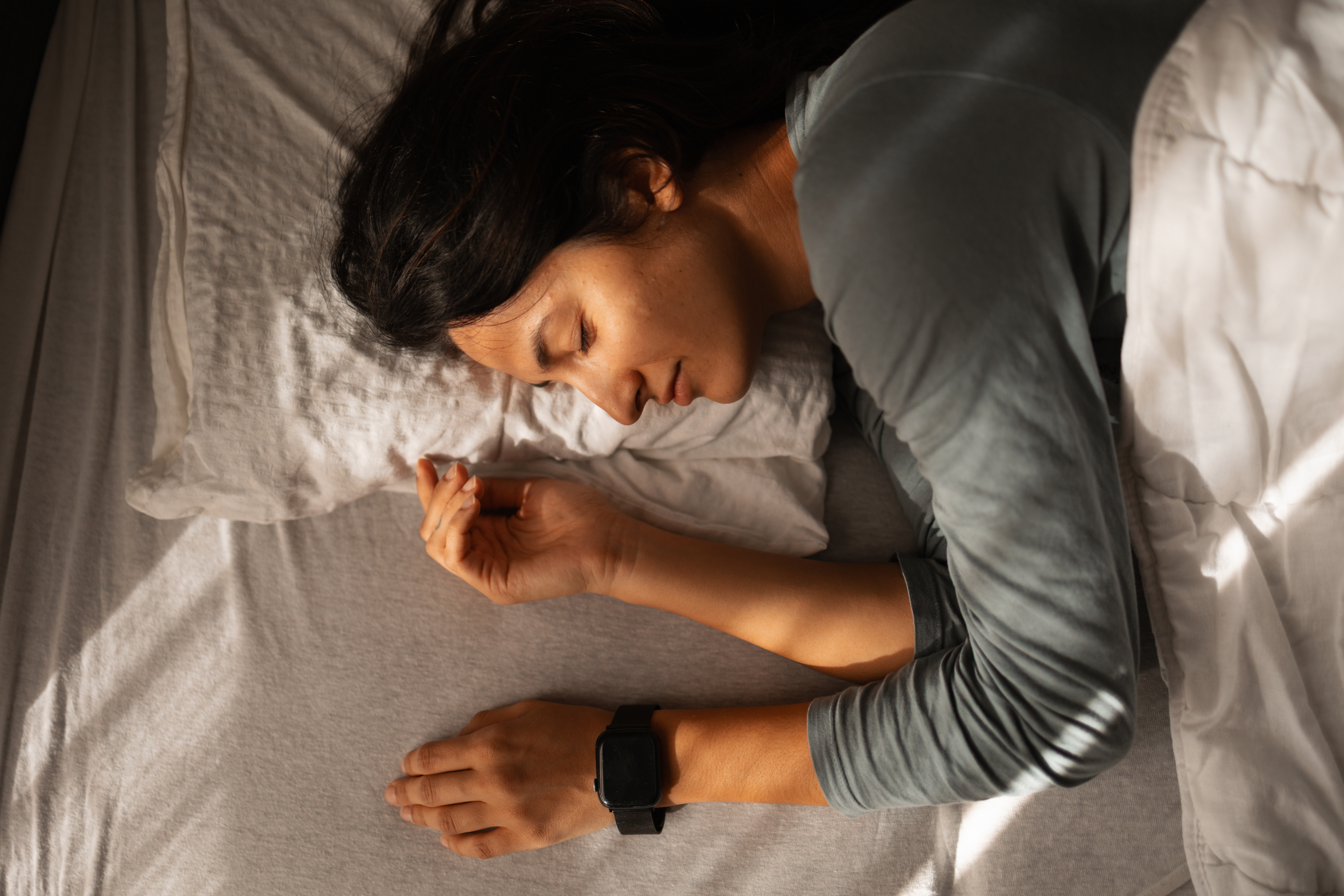
However, Dr. Tryon explains that it’s important not to feel stressed out if the numbers your sleep tracker is showing you aren’t where you want them to be, and instead focusing on the idea that you can make changes to help the quality of your sleep.
“It’s really thinking through, what can I change in order to change those numbers as opposed to intentionally trying to change those numbers. I can’t say to myself, ‘You need more REM sleep, have more REM sleep'” she points out.
Instead, she suggests “changing your relationship with a tracker and thinking about…the modifiable stuff…. you’re doing during the day in the run up to that moment.”

Follow Tom’s Guide on Google News and add us as a preferred source to get our up-to-date news, analysis, and reviews in your feeds.
First Appeared on
Source link






