


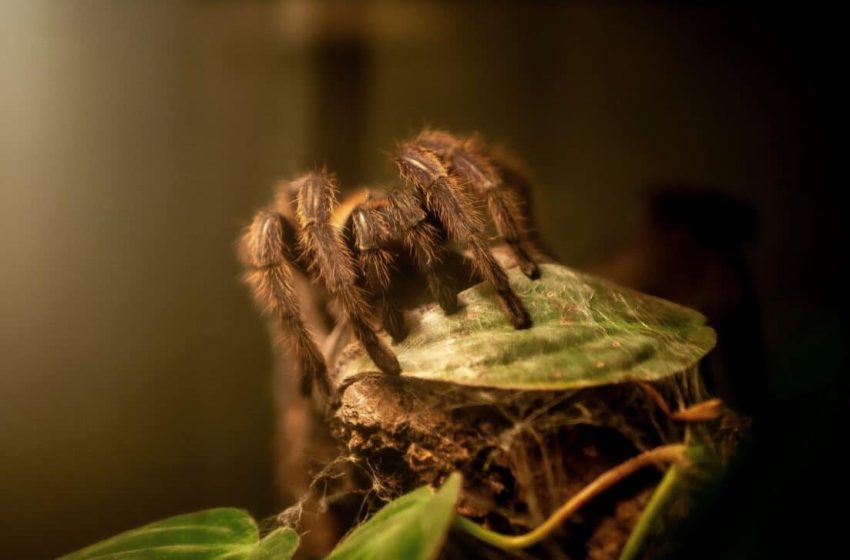
Scientists Discover One of the Biggest Tarantulas Ever, Revealing Features Never Recorded Before
Four newly discovered tarantulas from Arabia and East Africa have pushed scientists to create a brand-new genus, Satyrex. What caught their attention wasn’t just that these spiders were unknown. Their anatomy simply didn’t match anything seen before.
The study, led by Dr. Alireza Zamani from the University of Turku, combined morphological observations with molecular data to understand where these species belong. According to the researcher, the gap with known tarantulas was so wide that keeping them in an existing genus wasn’t an option.
These spiders were found in regions that are still relatively underexplored when it comes to arachnids. That might explain why such unusual species, living mostly underground, managed to go unnoticed for so long.
Males With Unusually Long Palps
As stated in the study, published in ZooKeys, the detail that really sets Satyrex apart is found in the males. Their palps, appendages used during mating, are unlike anything recorded in other tarantulas. Dr. Alireza Zamani explained that they are “the longest palps among all known tarantulas.”
In Satyrex ferox, the largest species, things get even more striking. The spider reaches about 14 cm in legspan, while the male palp can grow to around 5 cm. That is nearly as long as its legs and about four times the size of its front body segment.
Researchers think there may be a practical reason behind this. The study found that these long palps could help males keep some distance during mating, lowering the risk of being attacked by aggressive females.
A Tarantula That Hisses
Satyrex ferox does not just look different. It behaves differently too. Its name, meaning “fierce,” reflects how it reacts when disturbed. Evidence from the latest research indicates that the spider quickly raises its front legs and produces a noticeable hissing sound.
That sound comes from stridulation, created by rubbing specialized hairs on the front legs. As confirmed by Dr. Zamani:
“This species is highly defensive. At the slightest disturbance, it raises its front legs in a threat posture and produces a loud hissing sound by rubbing specialized hairs on the basal segments of the front legs against each other.”
A Species Elevated To Genus
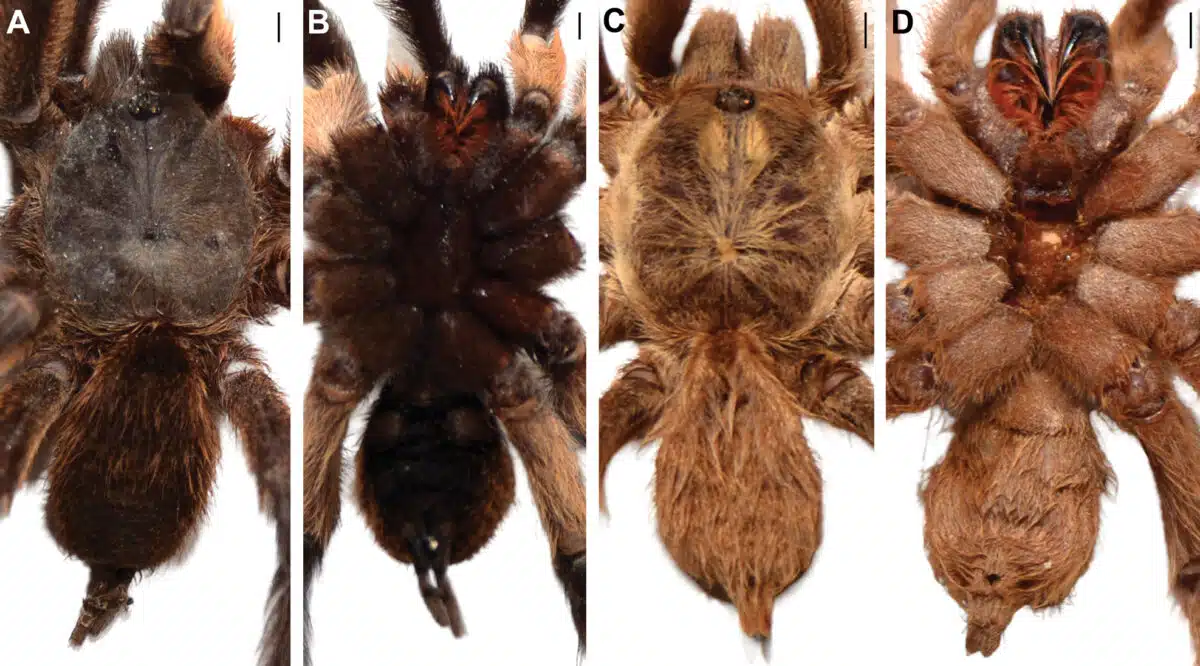
The genus includes three newly described species, S. arabicus, S. somalicus, and S. speciosus, named after where they were found or how they look. It also brings back S. longimanus, first described in Yemen in 1903.
This older species had been placed in the genus Monocentropus. But according to Dr. Zamani, its palp length did not really fit there, since typical species in that group have palps about 1.5 to 2 times the carapace length. In Satyrex, those proportions go well beyond that range.
All these spiders share a similar way of life. They are fossorial, meaning they spend most of their time in burrows, usually at the base of shrubs or between rocks. It is probably one reason they stayed under the radar for so long.
First Appeared on
Source link






