


Scientists Discover Strange Life Thriving Beneath Fukushima’s Dead Reactors, Here’s What They Found!
More than a decade after the devastating 2011 meltdown, life has been found thriving in the Fukushima Daiichi Nuclear Power Plant, a place once thought to be too radioactive for anything to survive. In a surprising twist, researchers discovered microbes, some of which don’t have the usual genetic resistance to radiation, living in the contaminated water.
Fukushima was already infamous for the massive disaster that sent shockwaves around the world. In the aftermath, radioactive water seeped into the plant’s infrastructure, creating a toxic, nearly inhospitable environment. Scientists, for the most part, assumed that only specialized bacteria, known for their radiation resilience, could survive in such conditions. But the reality? It’s not quite so simple. Recent studies have uncovered a different kind of survival, with bacteria thriving in water laced with radioactivity. The findings, while unexpected, also underscore just how much we still don’t understand about life in extreme environments.
Bacteria That Shouldn’t Be There…But Are
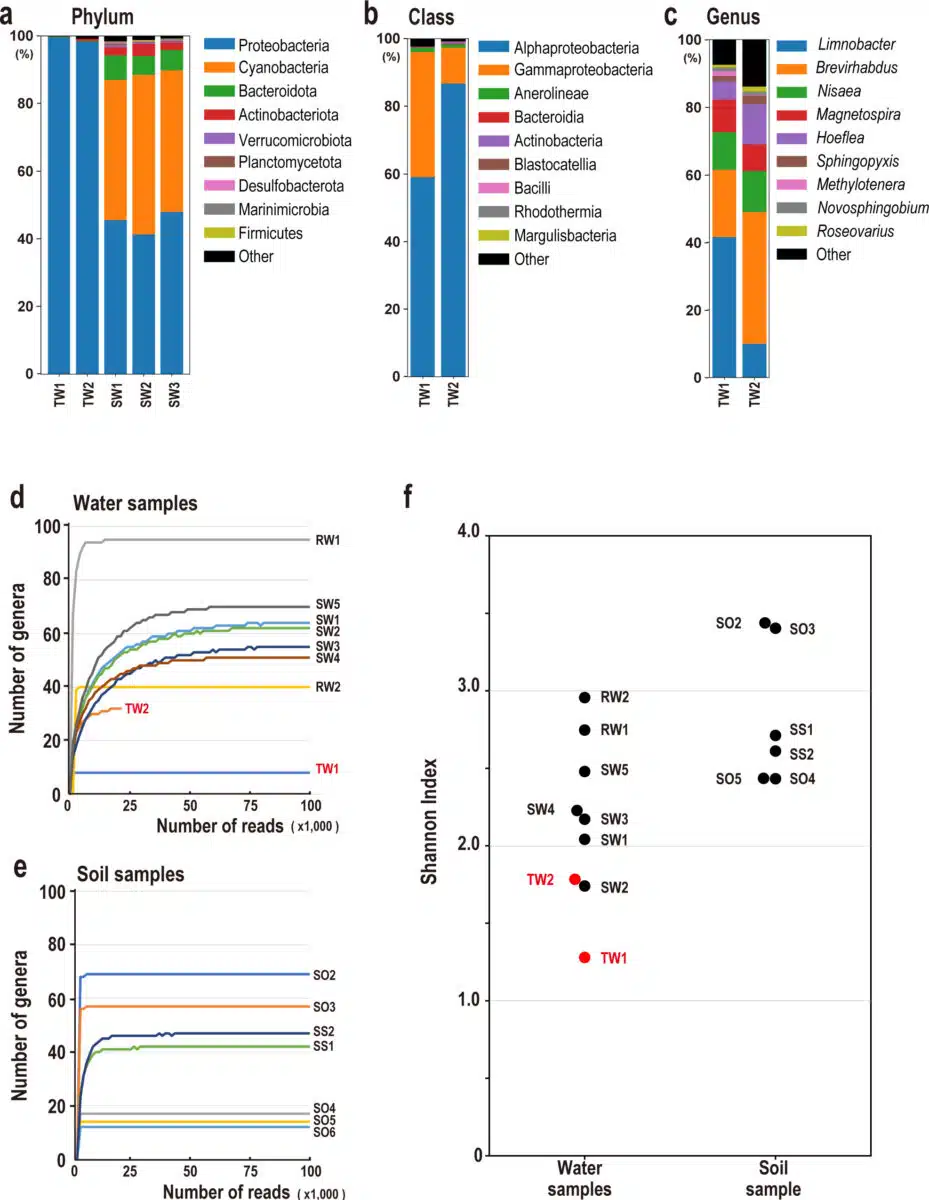
When biologists Tomoro Warashina and Akio Kanai from Keio University analyzed water samples from the torus room under one of Fukushima’s reactors, they found something completely unexpected: bacteria that should not have been able to survive in such a hostile environment. These microbes, from the Limnobacter and Brevirhabdus genera, didn’t have any of the usual radiation-resistant traits. According to their study published in Applied and Environmental Microbiology, the microbes were thriving in a place where only radiation-hardy organisms were expected to hang on.
The researchers hypothesized that these bacteria are surviving not because they have evolved special radiation resistance, but because of biofilms they form on metal surfaces. These biofilms might be acting like a shield, protecting them from the radiation. If true, this suggests that the microbes have adapted to the conditions in ways scientists hadn’t anticipated.
How Microbes Undermine Material Integrity
While the discovery of life in such a dangerous environment is astonishing, it comes with a rather unsettling twist: these microbes might not be helping the situation. Some of the bacteria discovered are known to cause metal corrosion, a serious concern for the plant’s decommissioning process. As the researchers point out, the bacteria oxidize manganese and sulfur, activities that lead to the breakdown of metal surfaces.
This is a problem. Much of the reactor’s infrastructure is made of metal, and with corrosion, there’s the risk that the materials won’t hold up during the decommissioning process. Researchers will need to account for these microbes in the cleanup efforts, which are already complicated by the plant’s ongoing contamination.
“In contrast, [most] of the bacterial genera in the torus room water were associated with metal corrosion, indicating that the impact of bacteria on metal corrosion must be considered in long-term decommissioning work.”
Were These Fukushima Bacteria Carried in by the Tsunami?
What makes this discovery even more curious is the possibility that these bacteria weren’t even native to the reactors. The experts’s study suggests that many of the microbes found in Fukushima are species typically found in marine environments. The researchers wonder if these bacteria might have been swept into the reactors by the massive waves of the 2011 tsunami, which inundated the region and carried ocean water into the plant. Could these marine bacteria be survivors of the disaster itself?
It’s an interesting theory. If true, it could explain how bacteria, generally not associated with radiation survival, ended up thriving in such an extreme setting. The idea that these bacteria, adapted to the ocean’s salty and sometimes harsh conditions, could then survive in a radioactive environment gives us a whole new perspective on adaptability.
First Appeared on
Source link






