


Scientists Discovered a Hidden Cosmic Tunnel Linking Earth to Distant Galaxies
Recently discovered invisible corridors, known as “interstellar tunnels,” have been found connecting regions of hot gas in our galaxy to areas of high stellar activity. This revelation upends our understanding of interstellar space, which was long considered an absolute void. Identified through data from the eROSITA space telescope, these interstellar tunnels reveal a much more connected and dynamic universe than previously thought.
Interstellar space, far from being a barren desert, is now understood to be a complex network of thermal structures. These new corridors, formed by past supernova explosions, allow the circulation of matter and energy across our galaxy. The study based on recent observations from the eROSITA observatory offers an unprecedented view of the cosmic environment.
Interstellar Tunnels Connecting Distant Regions
Long considered a desert, the space between stars has proven to be far more complex, thanks to recent findings from eROSITA. These discoveries have revealed hot gas cavities, oriented in a way that forms corridors connecting different regions of our galaxy. These “interstellar tunnels,” according to astronomers, link hot matter zones within the Milky Way to areas of high stellar activity, such as those observed in the constellations of Centaurus and Canis Major.
The origins of these tunnels lie in supernova explosions that occurred millions of years ago. These events left behind a network of interconnected cavities, forming a system for circulating matter and energy. These tunnels are crucial for understanding the flow of hot gas and their impact on galactic dynamics.
The Local Hot Bubble: A Relic of Supernovae
Our solar system resides within what is known as the “local hot bubble,” a vast cavity of superheated gas stretching about 300 light-years. This bubble, created by a series of supernova explosions over time, contains plasma at temperatures exceeding millions of degrees. According to eROSITA observations, this cavity is divided into two distinct hemispheres: the northern part, which is cooler, and the southern part, where temperatures reach extremely high levels.
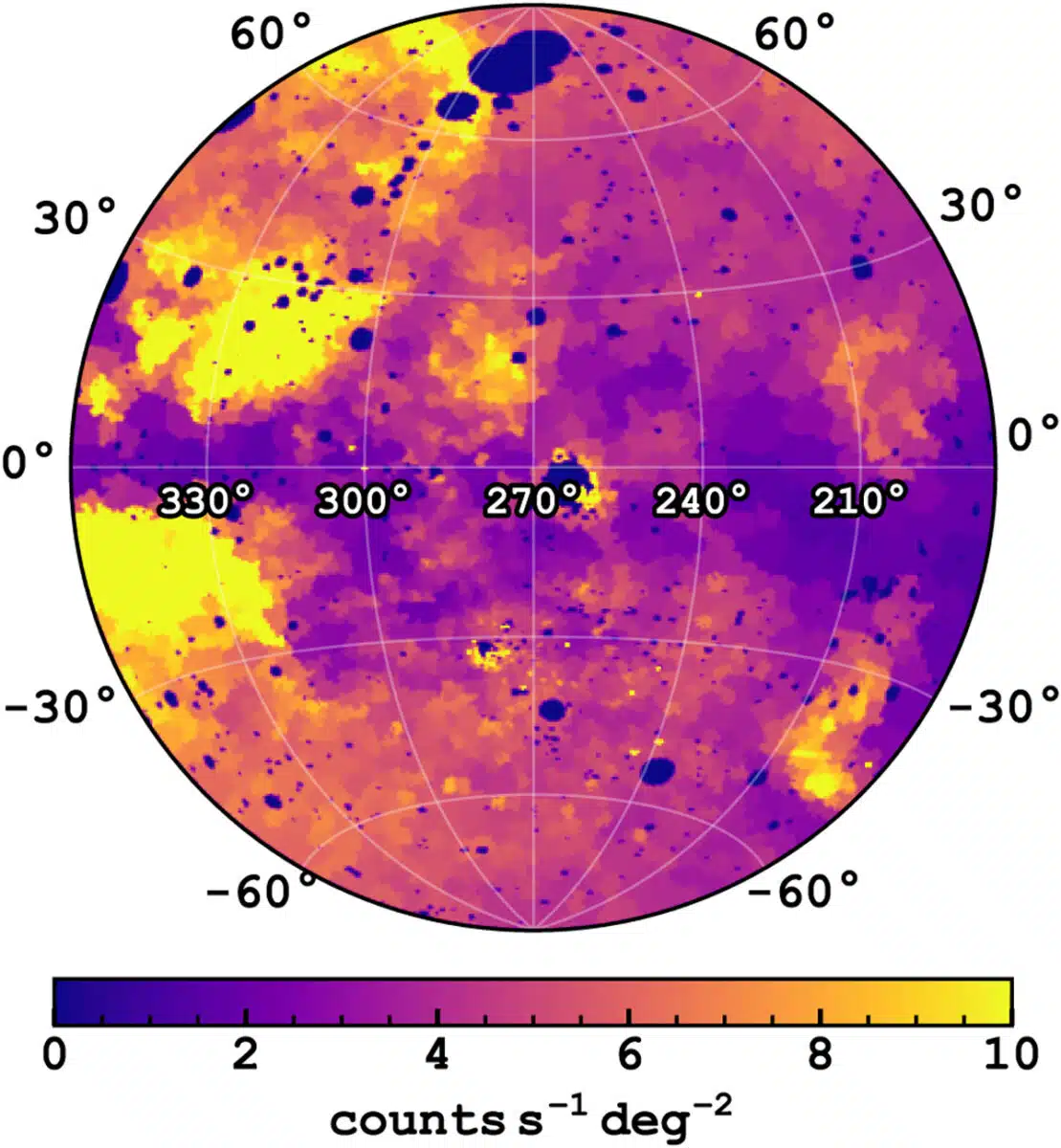
The discovery of this thermal asymmetry is a crucial step in understanding the structure of the interstellar medium. These gas cavities are not just remnants of past explosions but key elements influencing the dynamics of the universe. They affect the circulation of matter within the galaxy and may play a pivotal role in processes such as cosmic ray propagation and new star formation.
A Redefined 3D Galactic Map
Studying these interstellar tunnels challenges our traditional view of space as empty. As explained in the study, published in Astronomy & Astrophysics, these tunnels may form an interconnected network linking different regions of the Milky Way, thereby creating a dynamic map of our galactic environment. eROSITA’s findings pave the way for a 3D map of interstellar space, where hot matter flows through invisible tunnels that optical telescopes cannot detect.
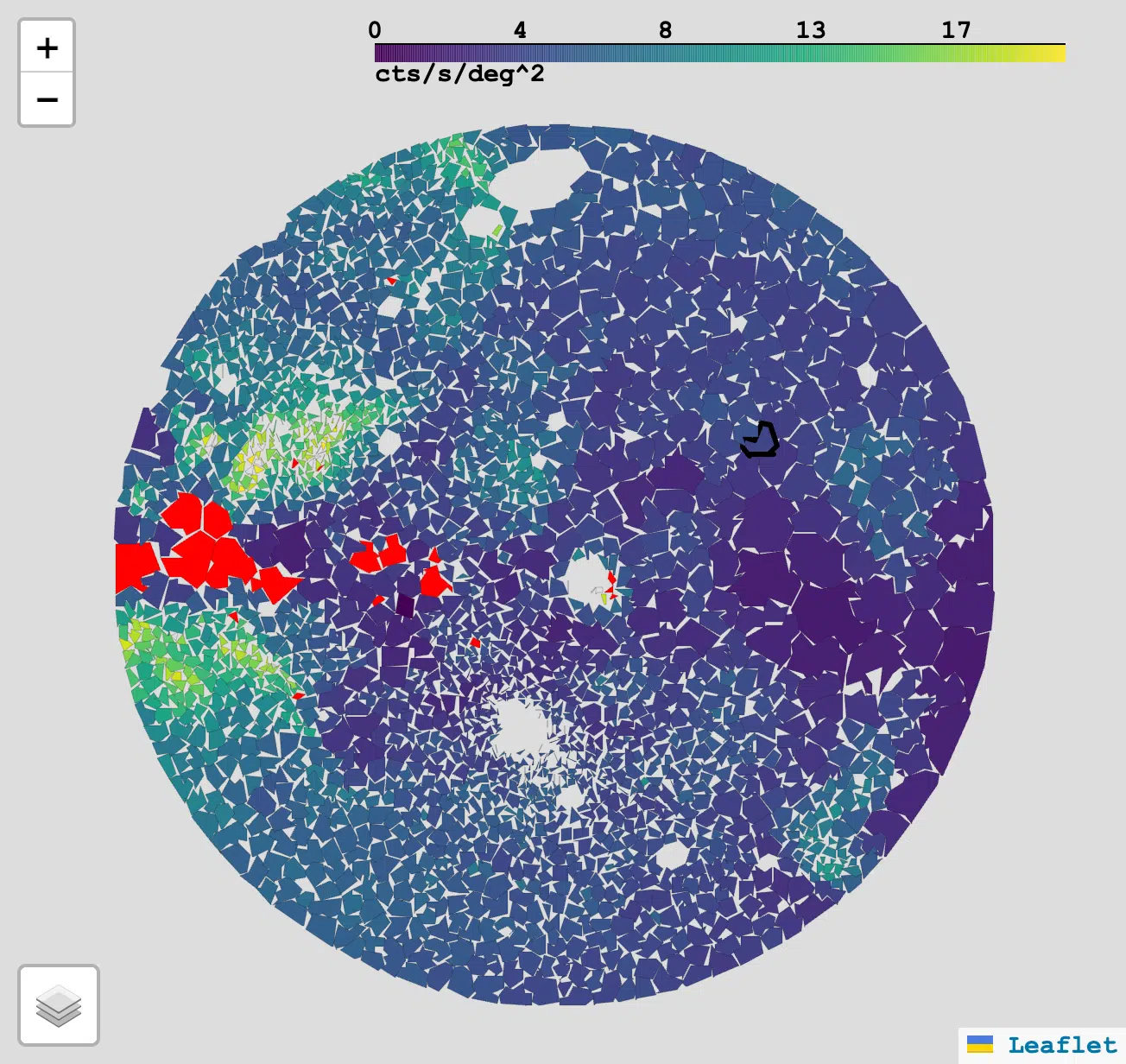
This mapping could have significant implications for astronomy. By better understanding how matter and energy move through our galaxy, scientists could refine models of stellar formation and gain deeper insight into how galactic processes interact. Interstellar tunnels, therefore, are not merely curiosities but essential elements for understanding the workings of the universe.
First Appeared on
Source link






