


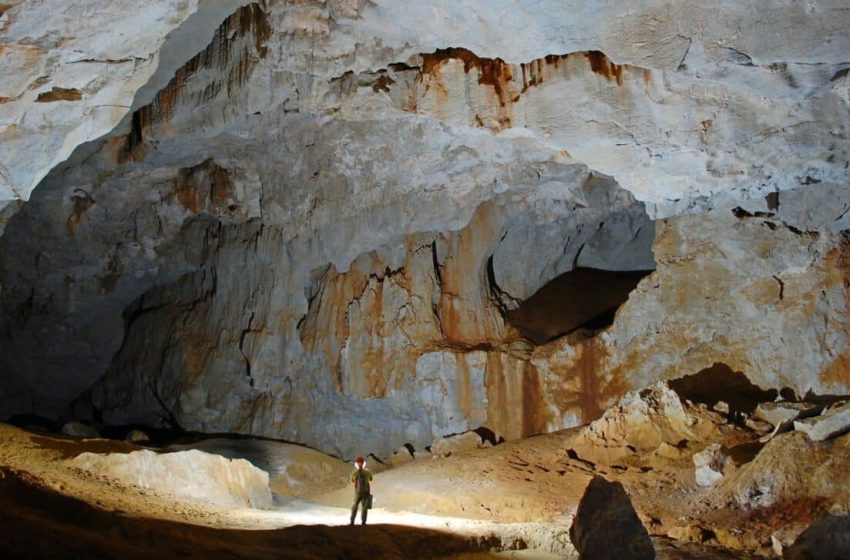
Scientists Enter a Remote Cave and Find Evidence That the Sahara Was Green and Rainy 8,000 Years Ago
The Sahara Desert, now the largest hot desert on Earth, was once dramatically different. Geological evidence from caves in southern Morocco shows that the region received far more rainfall thousands of years ago.
This discovery comes from the study of stalagmites, mineral structures that grow upward from cave floors when water drips through rock layers above. These formations preserve detailed records of past rainfall, allowing scientists to reconstruct environmental conditions that existed long before modern climate measurements.
Stalagmites as Climate Archives
Stalagmites act as natural climate archives because they form only when rainwater seeps through soil and drips into caves. Over time, mineral deposits accumulate layer by layer, preserving chemical information about the water that created them.
According to the research published in Earth and Planetary Science Letters, scientists collected small fragments of stalagmites, sometimes as little as 0.25 grams, from caves located south of the Atlas Mountains. By measuring the levels of uranium and thorium isotopes in these samples, they were able to determine when the formations began and stopped growing.
The results showed that stalagmite growth occurred between 8,700 and 4,300 years ago, indicating that rainfall was far more frequent in the region during that time.
A Greener Sahara Shaped Early Human Societies
The wetter climate had direct consequences for the people living in the region. The study found that archaeological records show a significant rise in Neolithic sites south of the Atlas Mountains during the same period when rainfall increased.
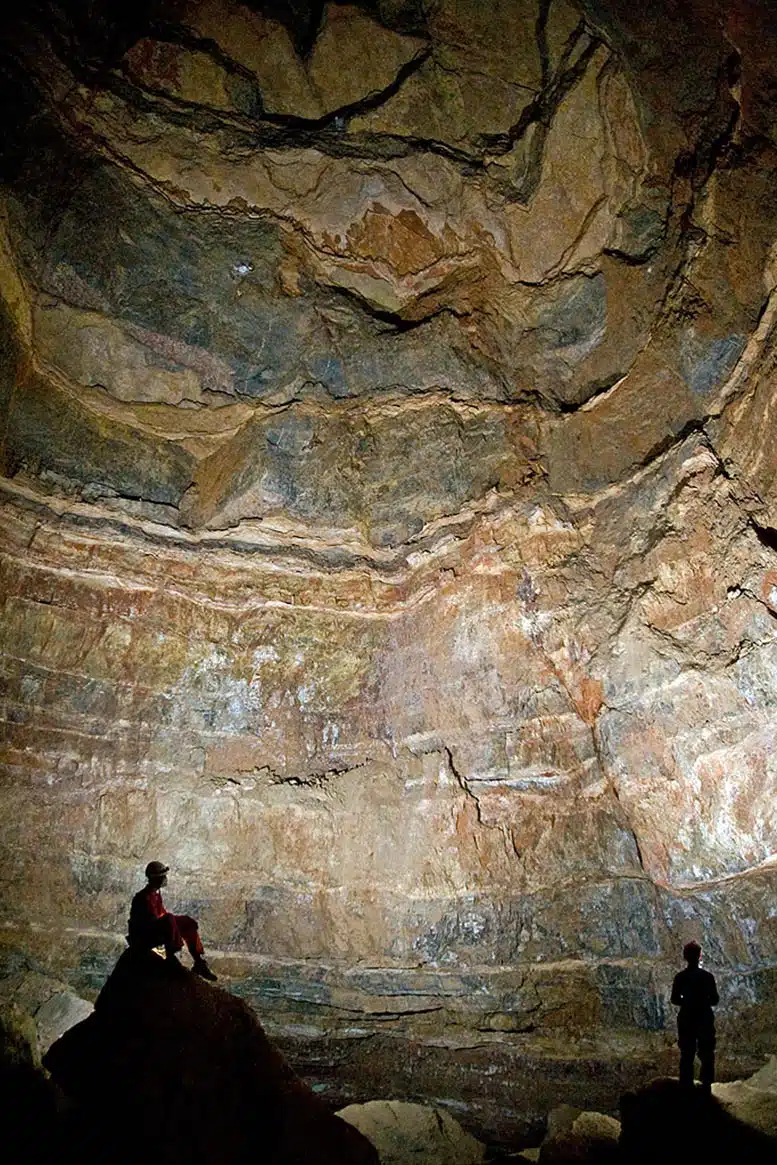
These communities relied heavily on livestock, which required access to water and vegetation. Increased rainfall would have supported grazing lands and allowed pastoral societies to expand across areas that are now arid desert.
As the study co-author Dr. Julia Barrott stated, the connection between the climate record and human history became clear as the research progressed.
“It was exciting to find and explore caves in southern Morocco during my fieldwork in 2010. And it is very rewarding that our measurements and interpretations fit so well with archaeological and environmental records from the wider region.” she explained.
Tropical Plumes Bring Rain
To determine the source of the ancient rainfall, the scientists also examined the oxygen isotope composition within stalagmite layers to identify the source of the ancient rainfall. This helped them trace the atmospheric processes that brought moisture to the region.
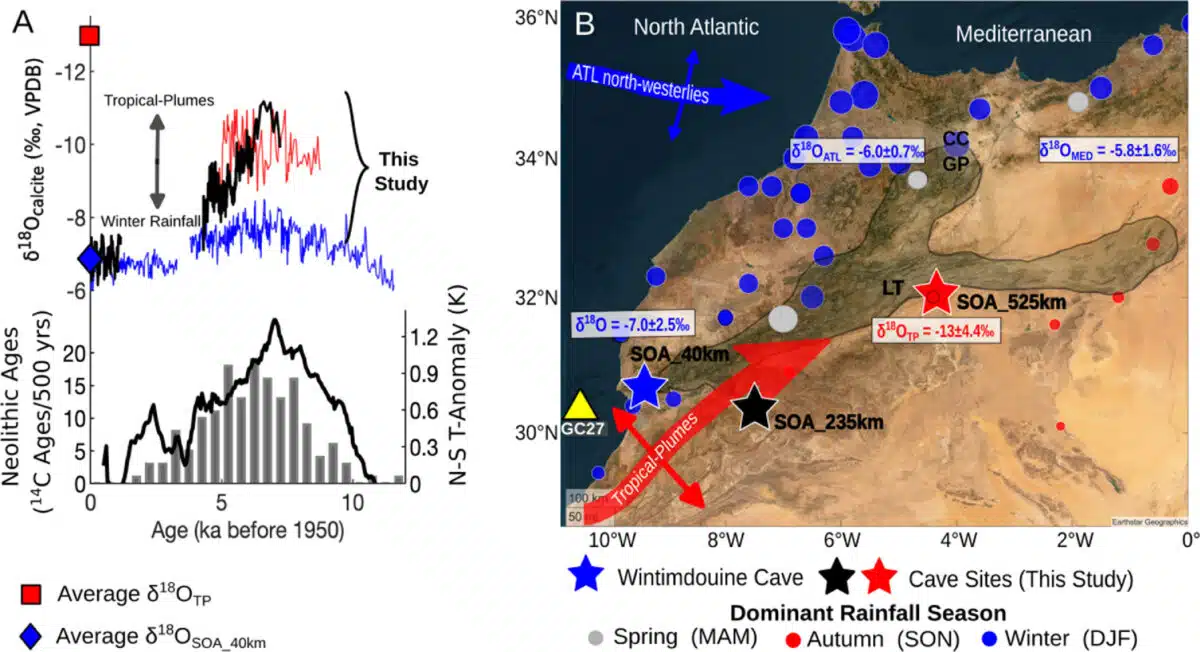
As mentioned by the study, the rain was likely driven by tropical plumes, large cloud bands capable of transporting moisture from tropical regions into subtropical areas. Researchers noted that this is the first evidence of their influence on rainfall in the northwestern Sahara.
Sam Hollowood, who worked on the study, pointed out that even small cave deposits can reveal major environmental changes.
“It has been exciting experiencing how much we can learn from small pieces of limescale that form underground,” he said, noting that researchers continue working to better quantify how much rainfall increased during this ancient humid period.
First Appeared on
Source link






