


Scientists Expected a Barren Seafloor in This Remote Region of Argentina. Instead, they found 28 Potential New Species
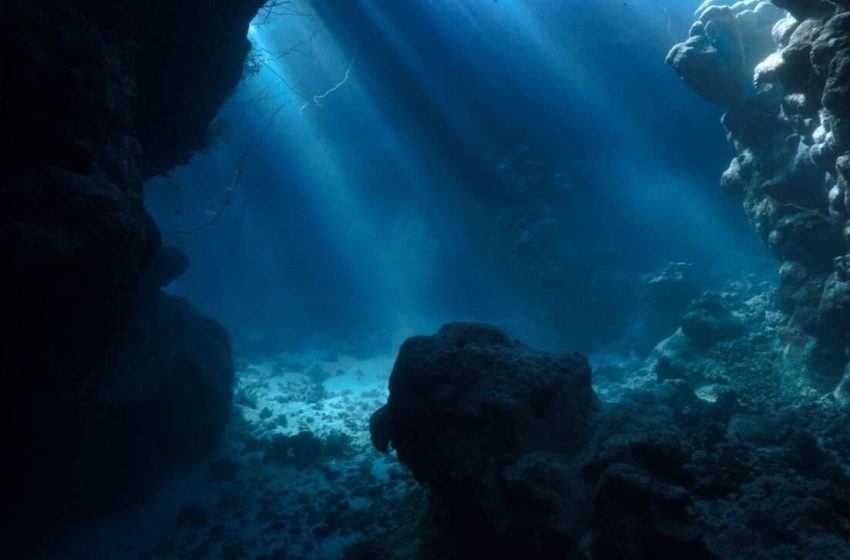
A deep-sea expedition off the coast of Argentina has revealed an unexpectedly rich marine ecosystem, including dozens of possible new species and rare sightings. What began as a targeted study of cold seeps quickly exposed a far broader and more complex web of life.
The mission was led by scientists aboard the Schmidt Ocean Institute’s research vessel Falkor (too), known for previous discoveries ranging from Antarctic squid to new octopus species. Their objective this time was to investigate cold seeps, deep-ocean zones where chemical emissions sustain microbial communities that form the base of unique ecosystems.
According to the Schmidt Ocean Institute, the team located only one active seep site. Yet across the wider zone, researchers encountered an unexpected density and diversity of marine life, suggesting that these ecosystems extend well beyond isolated chemical hotspots.
An Unexpected Surge in Deep-Sea Biodiversity
The scale of biodiversity documented during the expedition surprised the research team. Rather than concentrated clusters of life around seep zones, organisms appeared distributed across a much larger area of the seafloor.
“We were not expecting to see this level of biodiversity in the Argentine deep sea, and are so excited to see it teeming with life,” said chief scientist María Emilia Bravo, in a statement released by the Institute. She added that: “Seeing all the biodiversity, ecosystem functions, and connectivity unfolding together was incredible. We opened a window into our country’s biodiversity only to find there are so many more windows left to be opened.”
According to the same source, the findings reveal a level of ecological connectivity that challenges prior assumptions about how deep-sea environments are structured.
New Species Found in City-Sized Coral Reef
Among the most significant results is the identification of 28 potential new species, including sea snails, sea urchins, anemones, and worms. Many of these organisms were found within a vast coral reef formed by Bathelia candida.
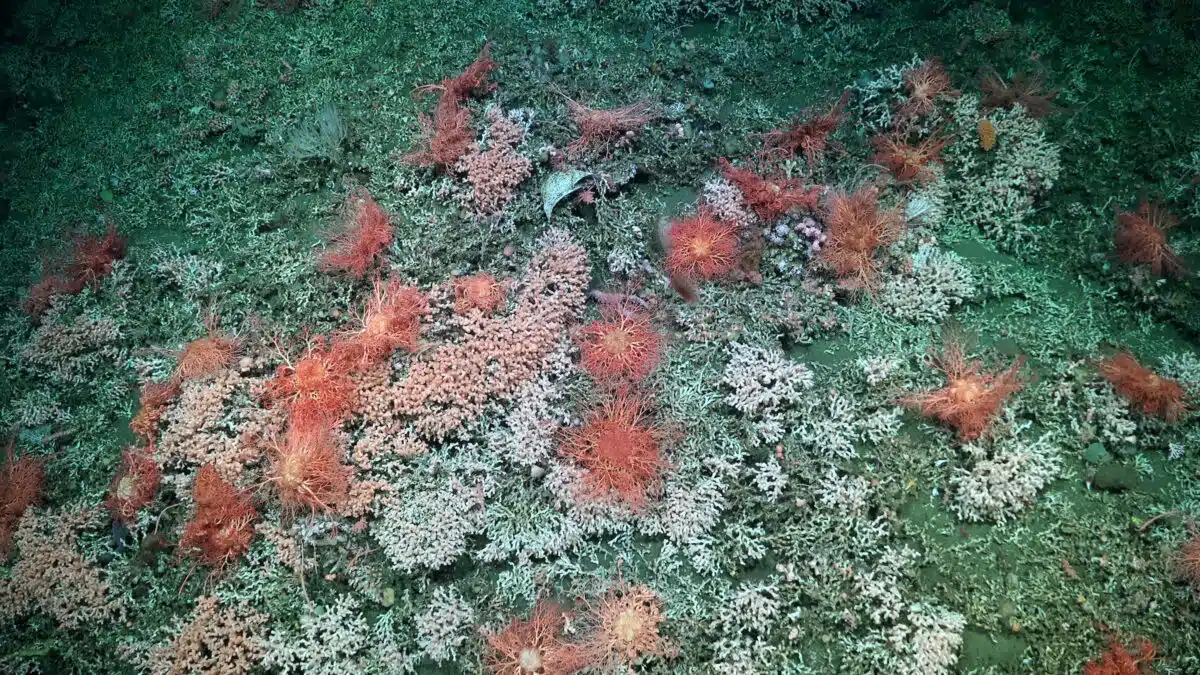
This reef, described by the Schmidt Ocean Institute as the largest known of its kind, covers a territory nearly as large as Vatican City, reports Popular Science. It provides habitat and structural support for a wide range of species, illustrating how complex ecosystems can develop in deep, lightless waters.
The concentration of previously undocumented species within this reef highlights how limited current knowledge remains regarding deep-ocean biodiversity.
Rare Sightings In The Abyssal Depths
The expedition also captured images of the rare phantom jellyfish (Stygiomedusa gigantea), a species seldom observed by scientists. According to the Institute, this organism can grow to lengths comparable to a school bus, making it one of the largest known jellyfish species.
Researchers also documented Argentina’s first deep-sea whale fall at a depth of approximately 2.4 miles. The whale’s remains now serve as a temporary ecosystem, supporting sharks, crabs, and other marine organisms.
As noted by Jyotika Virmani, executive director of the Schmidt Ocean Institute:
“With every expedition to the deep sea, we find the ocean is full of life—as much as we see on land, and perhaps more because the ocean contains 98 percent of the living space on this planet.” he said, “We have been privileged to work with outstanding scientists across three expeditions in Argentinian waters, and look forward to seeing their research continue to unfold, unlocking new understanding and inspiration.”
First Appeared on
Source link






