


Scientists Found a Microbial Transfer That Reversed Biological Age Decline in Damaged Gut Tissue
The lining of the mammalian gut is one of the most active tissues in the body, completely replacing itself every few days to maintain a barrier against pathogens while absorbing essential nutrients. This relentless cycle of renewal depends on a specialized population of cells that must function with high precision. As an organism ages, this regenerative process slows down, leading to a thinner intestinal wall and a diminished ability to recover from injury or inflammation.
Researchers have long looked for the specific triggers that cause this biological slowdown. While internal genetic factors play a role, attention has shifted toward the trillions of microorganisms living in the digestive tract. These microbes produce a constant stream of chemical signals that interact with the host’s tissues. Evidence reported by ScienceAlert suggests that the composition of this internal ecosystem is a primary driver of how the gut ages.
Recent experiments involving Fecal Microbiota Transplantation (FMT) have provided a clearer picture of this relationship. By transferring the microbial environment from young donors into older subjects, scientists are observing a physical reversal of age-related decline in the digestive system. The results indicate that the fitness of the gut is not fixed by the age of the animal but is influenced by the specific bacteria present in the colon.
Mapping the Microbial Shift
A study published in the journal Stem Cell Reports in 2025 detailed how researchers used FMT to investigate the aging process in mice. The team, which included scientists from the University of Cincinnati, compared the gut health of young mice (approximately 2 to 3 months old) with that of aged mice (approximately 20 months old). They found that the microbial signatures of the two groups were distinct, with the older mice showing a loss of diversity and a rise in inflammatory markers.
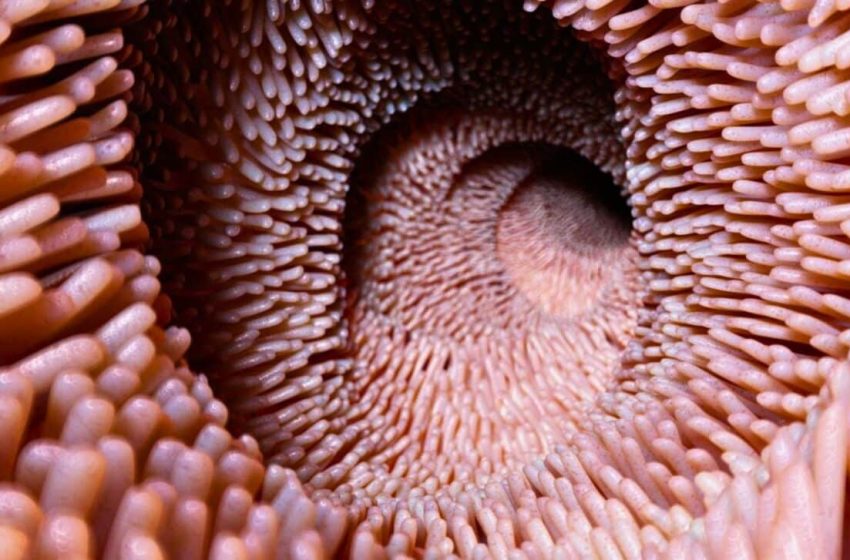
When the researchers introduced the gut microbiota of the young mice into the older ones, they observed a shift in the physical structure of the intestines. According to a report by PRNewswire, the older mice began to develop deeper crypts and longer villi, the finger-like projections that increase surface area for nutrient absorption. This structural change suggested that the tissue was returning to a state of rapid turnover typical of younger animals.
The researchers found that the young microbiota restored the fitness of the old gut. This restoration was not merely a change in the types of bacteria present; it was a shift in how the host’s own cells behaved. The older mice treated with young microbes showed a reduction in the expression of genes associated with cellular aging and chronic inflammation.
Revitalizing the Stem Cell Pool
The core of this transformation lies in the Intestinal Stem Cells (ISCs). These cells are located at the base of the intestinal crypts and are responsible for generating all the other cell types in the epithelium. In older animals, these stem cells often become dormant or lose their ability to divide effectively. The study showed that the presence of young microbes stimulated these stem cells to resume active division.
This stimulation appears to be mediated by metabolites, which are the chemical byproducts produced by bacteria during digestion. These small molecules, such as indoles and short-chain fatty acids like butyrate, act as signaling agents. They cross the mucus barrier and bind to receptors on the stem cells, providing a signal for regeneration. In the older mice, these signaling molecules were largely absent until the young transplant was introduced.
The data showed that the transplant improved the integrity of the intestinal barrier. A weakened barrier allows bacteria and toxins to escape into the bloodstream, triggering systemic inflammation. By restoring the function of the stem cells, the FMT helped seal these gaps, lowering the inflammatory load on the mice’s systems. This builds on previous findings in Stem Cell Reports regarding the interaction between microbial environments and stem cell longevity.
The Impact of Specific Bacteria
One particular organism, Akkermansia muciniphila, has emerged as a central figure in these findings. This bacterium lives in the mucus layer of the gut and is known to promote healthy tissue maintenance. Wikipedia notes that levels of this microbe tend to drop as mammals age, a decline that correlates with a breakdown of gut homeostasis.
In the experiments, the young mouse donors had high concentrations of this specific bacterium. When these microbes were introduced to the older subjects, they helped stabilize the environment for the stem cells. This organism is unique because it feeds on the mucus produced by the gut, which in turn stimulates the gut to produce more mucus, creating a feedback loop that protects the lining from environmental damage.
The researchers also noted that the benefits of the transplant were tied to the production of indole-3-aldehyde, a metabolite that activates specific pathways involved in tissue repair. Research published in the Proceedings of the National Academy of Sciences has previously explored how these chemical pathways regulate the immune system. The older mice showed a measurable increase in these protective chemicals following the FMT procedure, suggesting a chemical restoration of the gut-brain axis.
First Appeared on
Source link






