


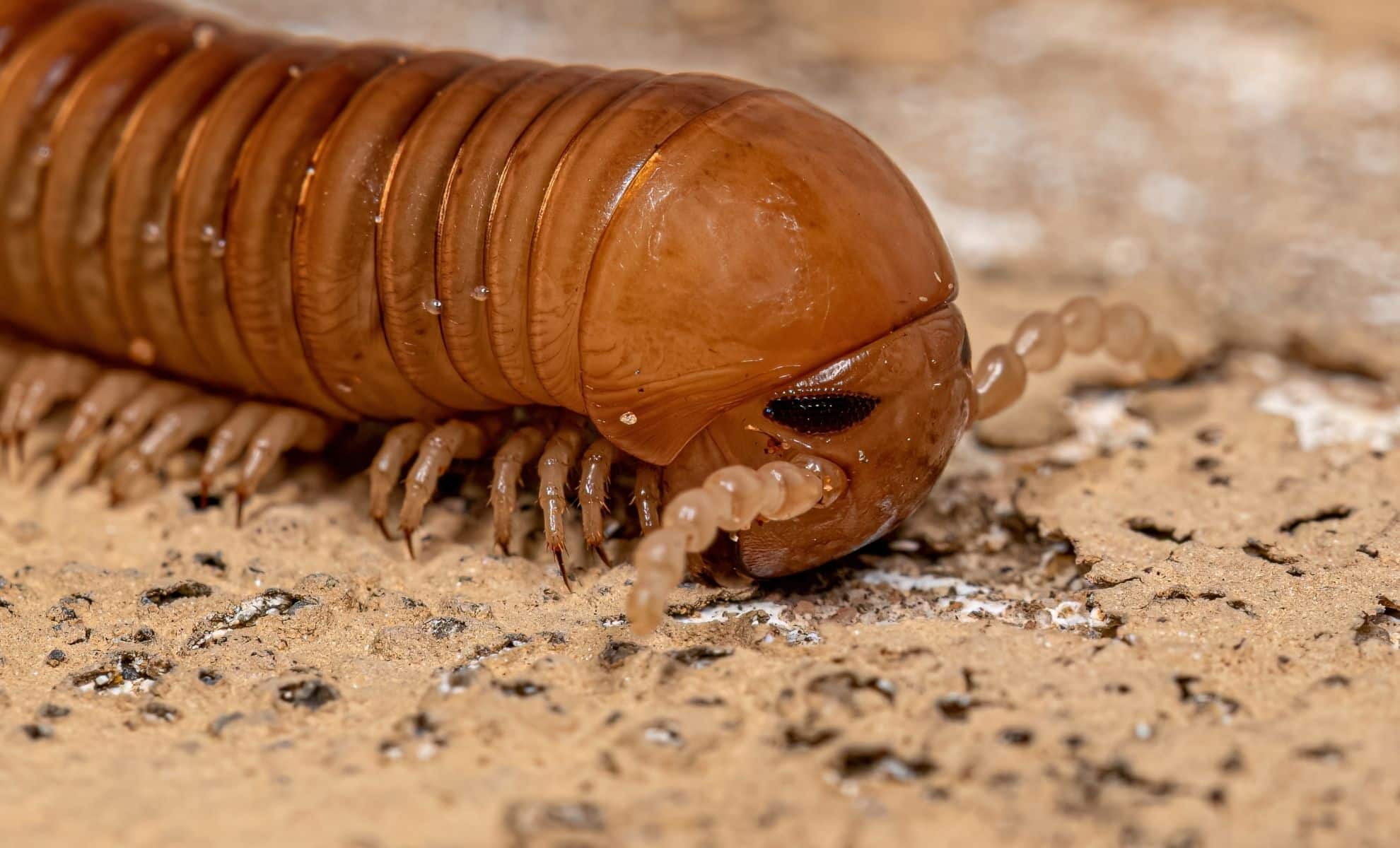
Scientists Unearth Fossil of Car-Sized Millipede That Roamed Earth 326 Million Years Ago
A fossil discovery in Northumberland, UK, has stunned the scientific community, revealing a millipede species that once grew to the size of a car. The find, made along the northeastern coast, showcases a creature that lived 326 million years ago, during the Carboniferous period.
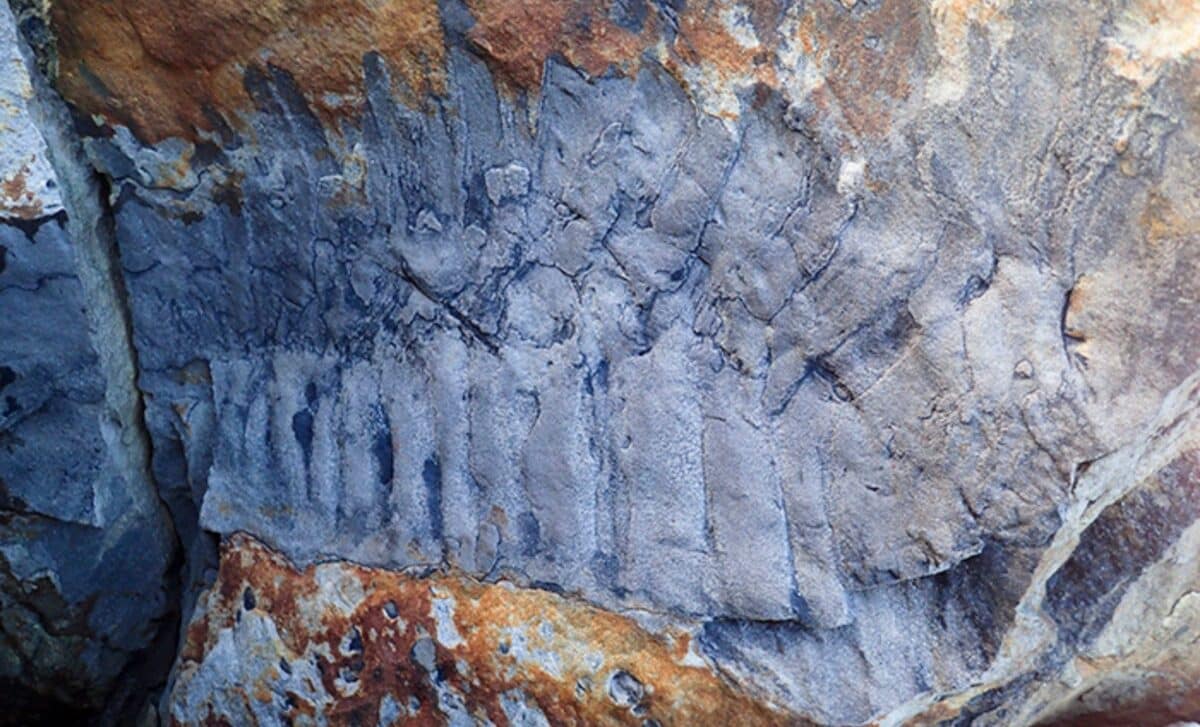
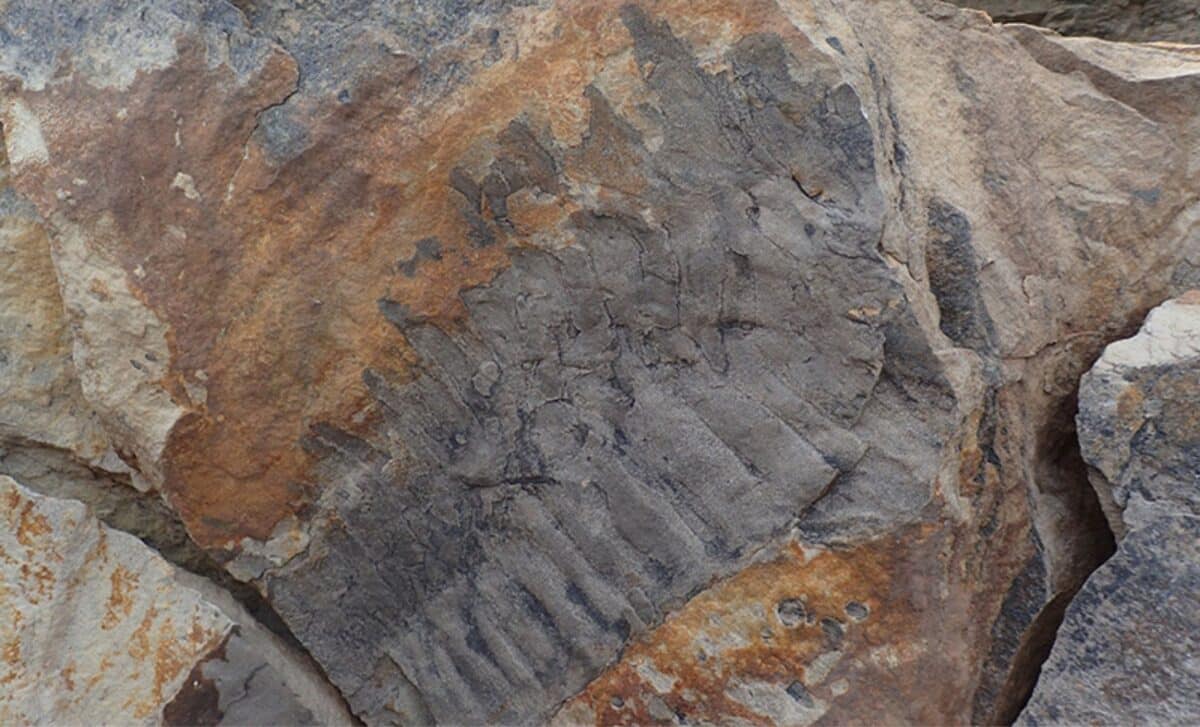
The creature in question, Arthropleura, is an extinct genus of millipedes that could reach lengths of nearly 9 feet, making it the largest known invertebrate to have ever walked the Earth. This giant millipede’s fossil was found by chance in 2018, with its segments clearly visible in a chunk of sandstone.
A Giant Lost to Time
The Arthropleura fossils discovered in Northumberland were preserved in a rock formation after being shed by the millipede itself. While the fossil measured just under 30 inches, scientists estimate that the millipede it came from would have been much larger—approximately 9 feet long and weighing 110 pounds.
According to Neil Davies, an Earth scientist at the University of Cambridge, the discovery was a “complete fluke,” as the boulder containing the fossil had cracked open perfectly, exposing the remains, reports ScienceAlert. The fossil’s size and well-preserved state give experts an opportunity to study the structure of these ancient creatures in greater detail.
The Arthropleura was part of a group of millipedes that flourished during the Carboniferous period, a time when Earth’s atmosphere had higher oxygen levels, which likely helped sustain the creatures’ extraordinary size.
However, the oxygen levels were still much lower than what is typically associated with giant arthropods, raising the question of what factors besides atmospheric oxygen allowed the Arthropleura to grow so large. The lack of predators and the rich nutrient availability in the ancient forests may have played a significant role in their massive size.
The Discovery of the Head
While the fossil found in Northumberland provided critical insights into the Arthropleura’s body structure, other discoveries have shed light on the creature’s head. A pair of fossilized remains, dating back to the 1980s, were analyzed using advanced CT scanning technology, revealing new details about the creature’s facial structure. Previously, scientists had only understood the general size of the Arthropleura from its exoskeletons, but these new fossils have revealed its head to be more like that of a centipede, not a millipede.
The Arthropleura‘s head featured short, bell-shaped antennae and protruding eyes, which would have helped it navigate its environment. The head also had an opening for shedding its exoskeleton, providing more evidence of its evolutionary adaptations. Mickael Lheritier, co-author of the study, explained, “We discovered that it had the body of a millipede, but the head of a centipede,” highlighting a significant distinction between this ancient arthropod and the millipedes we see today.
A Look Into the Past
The significance of these fossil discoveries goes beyond understanding the Arthropleura itself. According to scientists, these ancient millipedes lived in lush, forested environments near the equator, where they thrived on vegetation and possibly preyed on smaller animals.
This environment was very different from the coal swamps where similar creatures were thought to live. The new findings provide valuable clues about the ecosystems that existed long before the rise of dinosaurs and how large arthropods might have adapted to their surroundings.
Despite the breakthrough in understanding the Arthropleura, the fossil remains are still incomplete. While segments of the creature’s body have been found, no fossilized heads or full specimens have been recovered, making it difficult to fully understand the creature’s life cycle.
First Appeared on
Source link






