


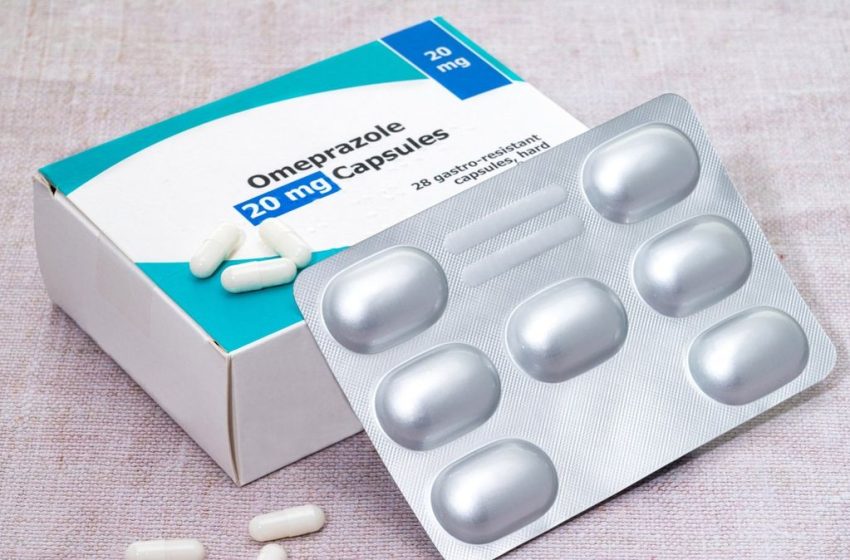
‘Serious’ warning issued to millions taking Omeprazole over problems drug causes
A health expert has issued a serious warning about the potential dangers of long-term Omeprazole use, as concerns around the drug continue to grow.
Omeprazole is a proton pump inhibitor (PPI) primarily used to treat common conditions, such as acid reflux and heartburn, making it one of the most popular prescriptions in the UK.
Between 2022 and 2023, over 73 million prescriptions were issued in the UK alone, totalling around 15 per cent of the population.
Despite it being so prevalent in health care, its long-term use has been linked with sometimes serious side effects, including migraines and issues with the stomach.
Specialist Simon Mills has now shared two more potential problems with the drug while speaking on an episode of the Diary of a CEO podcast.
He first identified the benefits of PPIs, which can be highly effective in treating conditions such as Gastro-oesophageal reflux disease (GORD).
Simon Mills shared some of the adverse side effects of Omeprazole (Diary of a CEO/YouTube)
Mills said: “And what omeprazole does is shut down the acid production in the stomach. So you don’t get as much damage from reflux.
“When we’re getting acid reflux, actually, it’s not because you got too much acid. is because you’re refluxing it. It’s going back up into the oesophagus. But omeprazole will put an end to that.”
However, as with many drugs and treatments, there are downsides to taking them for a prolonged period, but in the case of omeprazole, the list is a long and potentially serious one.
Mills added: “The list of problems occurring from long-term omeprazole use is beginning to grow and is serious… All sorts of things are beginning to be downstream problems associated with long-term omeprazole use.”
What are the side effects of omeprazole?
According to the NHS, users can experience a range of common side effects, which include:
- headaches
- stomach pain
- nausea and/or vomiting
- constipation
- diarrhoea
- excess gas
Once you begin taking omeprazole, it may take up to 4 weeks to become effective, during which time side effects may occur.
Prescriptions of omeprazole will usually last between one and two months, but in some cases, it can be used for more than a year, and it is here that serious side effects, such as bone and heart problems, can often present themselves.

Omeprazole is used to treat acid reflux and indigestion (Getty Stock)
What are the long-term side effects of omeprazole?
The NHS lists some of these side effects as bone fractures, insufficient intake of nutrients such as vitamin B12 and magnesium, and infections, such as C. difficile – a type of bacteria which can lead to diarrhoea.
According to the Health Service Executive (HSE), taking omeprazole for more than 3 months may lead to lower blood magnesium levels, which can cause tiredness, muscle twitches, and an irregular heartbeat.
“The chance of getting serious side effects can be higher if you take omeprazole for a long time (a year or more),” the NHS website adds.
Another issue with the medication is that when people are on it for so long, it can be difficult for the body to adjust once they start to wean themselves off it.
Mills adds: “But the other thing is that once you’re on it, it’s really difficult to come off it, and you get a famous rebound effect.
“So you come off omeprazole, and wow, you get much more trouble. So the only thing to do is take more omeprazole, and people find it really hard to come off it.
“So you have to do a lot of hard work to wean people off and do it in sorts of different ways.”
Symptoms could often feel even worse during that period, but it is expected that they would go away after a few weeks as the body attempts to produce more of the acid that was reduced while you were on the medication.
The NHS Hertfordshire and West Essex Integrated Care Board (IBC) says: “Research has found that some people who have been taking PPIs for more than two months find that their body is producing more acid (referred to as rebound acid) to compensate for the acid-reducing effects of these medications. This can mean that your symptoms can worsen again when trying to stop taking the PPI medication.
“If this happens to you, it should only be for up to two weeks after stopping the PPI.”
First Appeared on
Source link






