


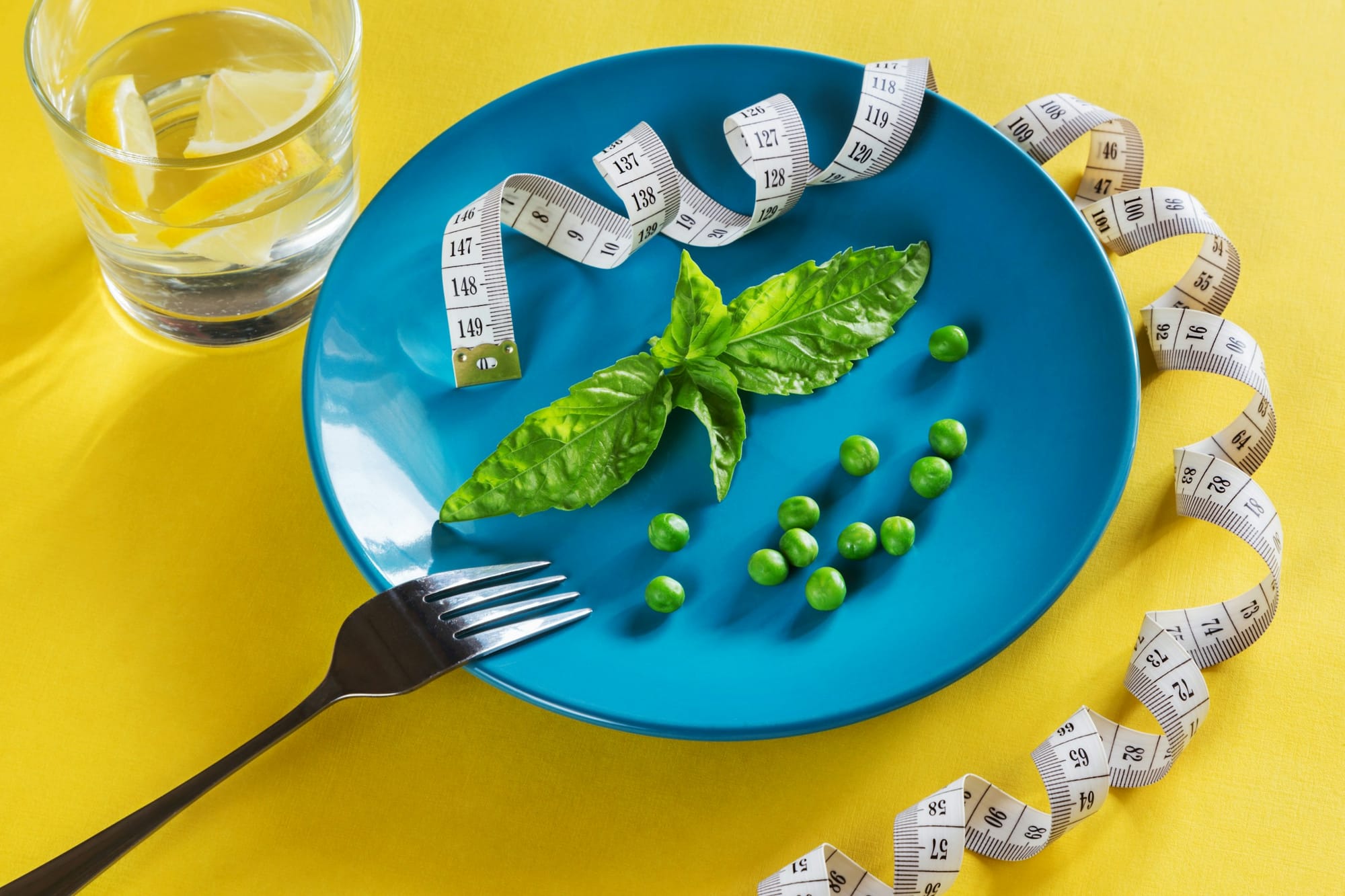
So you want to lose weight this year …
In part one of this two-part series, dietitian Dr Alan McCubbin takes aim at weight-loss-related new year’s resolutions.
Image: Elena Leya/Unsplash

Elena Leya
As 2025 drew to a close, you were no doubt flooded with social media posts from your family, friends, work colleagues, and those randoms that somehow show up in your feed ‘cause the algorithm said so’. They were probably full of reflections on the year just gone, and full of hope for the year ahead. This time, they said, things will be different. A fresh start. A new them (funnily enough, that’s what last year’s posts said too). You may have made a similar post yourself.
The most common of all new year’s resolutions is a commitment to improving physical and mental health. Working less. Sleeping more. Getting out on the bike more often. And of course, eating better.
But the thing with new year’s resolutions, like most overly optimistic plans, is that they rarely survive contact with the real world. Those couple of weeks of blue-sky thinking in late December quickly make way for the sad realities of February; realities that were so obvious in hindsight yet completely overlooked at the time.
In this piece, we’re going to take a different look at nutrition-related new year’s resolutions, and leave you with some ideas that might help make dietary changes that survive to see the start of March.

What’s the goal?
This is often where new year’s resolutions go to die. We’ve all set lofty, overly ambitious goals for our eating (or other lifestyle) habits, that in hindsight we never had a chance in hell of achieving. But it’s bigger than that. The number-one nutrition-related new year’s resolution that most people have, cyclist or not, is weight loss. Some people set modest, realistic expectations for what they might achieve. Others have goals of being leaner than they were in high school (20+ years ago, before kids and that sedentary desk job).
Regardless of the level of ambition, I’m going to suggest that setting a weight loss goal is not the smartest approach to making dietary changes, for several reasons:
- Being leaner, and becoming leaner, are two very different things.
There are those who are naturally on the leaner side, seemingly no matter what they do. Then there’s everyone else. And the concern here is not necessarily about being leaner, but about the process required for many of us to get there and stay there.
Being in a caloric deficit can have many physiological and psychological consequences and the more aggressive and prolonged the deficit, the more significant these become. They can range from poor performance on the bike due to inadequate fueling for the training you’re doing, through to health effects, in both male and female athletes, summarised by the term Relative Energy Deficiency in Sport (REDs). This can include loss of bone density, loss of menstrual cycle in females, suppressed testosterone in males, and much more. There’s been plenty written on REDs and cyclists in recent years so I won’t rehash it all here, but if you’re not so familiar with the term then this short reel featuring Escape Collective’s own Georgie Howe provides a bit of insight.
Note though that this is not an issue unique to elite or professional athletes. Any large mismatch between training load and calorie intake can potentially have these consequences, and I’ve seen variations of this in riders of all ages, sexes, and abilities.
Did we do a good job with this story?
First Appeared on
Source link






