


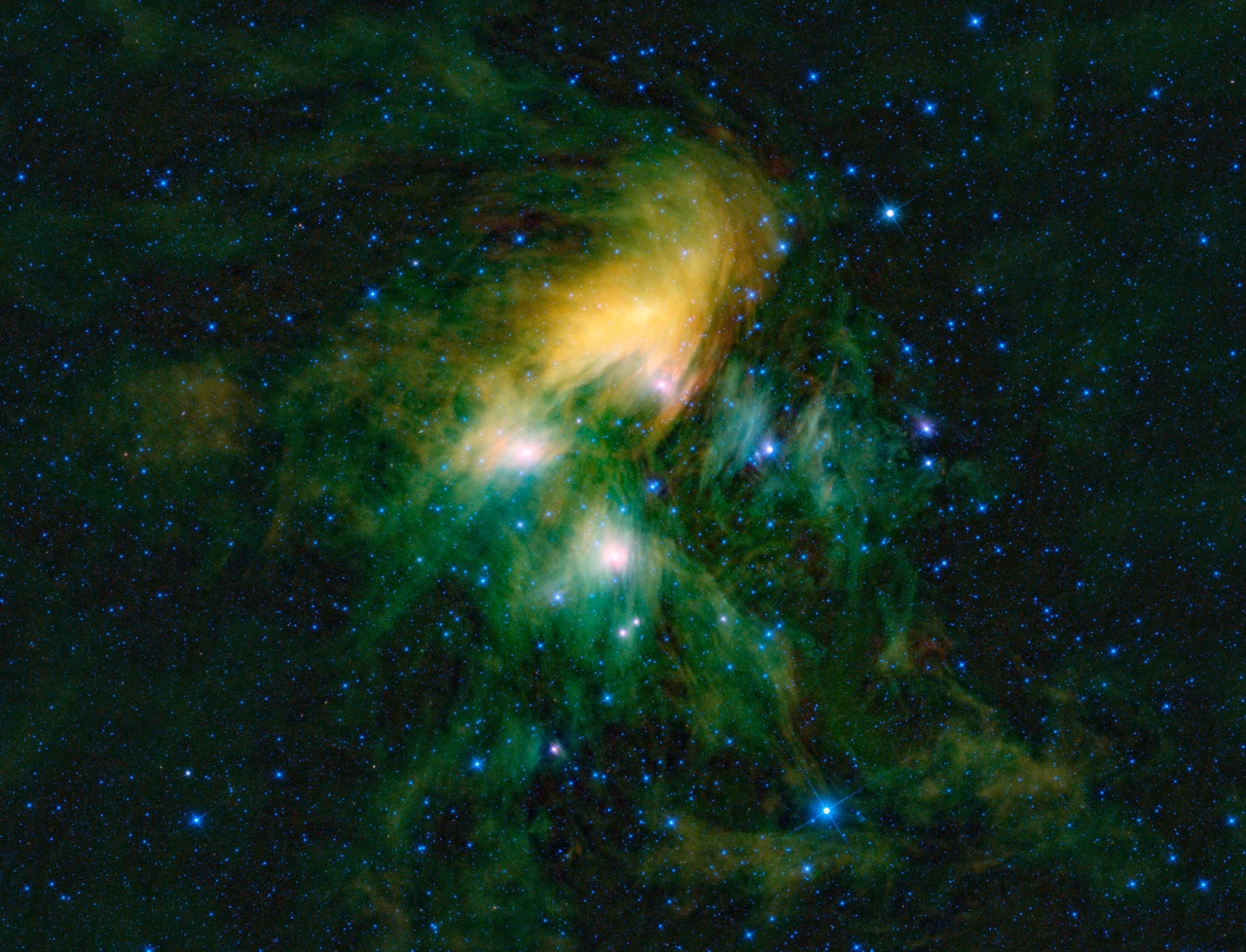
Stargazers marvel at the ‘Seven Sisters’ as a fall meteor shower reaches its peak
A pair of stunning celestial sights are on tap for stargazers this week, as the astronomical events calendar marches into fall.
This season is an especially cruel one for Pacific Northwest star gazers, as a host of astronomical events arrives right as seasonal weather largely blocks the night sky from view. Whether you’re packing up for better luck in eastern Oregon or watching and praying for a break in the clouds, here are two events to see this week.
Leonid meteor shower is peaking
The annual Leonid meteor shower has reached its peak, averaging around 15 bright meteors per hour from the constellation Leo. While not the biggest meteor shower on the calendar, the Leonids occasionally put on major shows.
The shower may have technically peaked Sunday night into Monday, but it will continue to produce, slowly petering off until Nov. 30.
The meteor shower will be visible from the eastern horizon starting around 10:16 p.m. Pacific Time on Monday, according to In-The-Sky, with the best viewing opportunities occurring shortly before dawn. Weather forecasts suggest challenging viewing conditions, with scattered rain and overcast skies predicted for the evening. If the skies are clear, viewers will want to find a dark location away from city lights, preferably with a clear eastern view. The nearby Columbia River Gorge or Mount Hood’s eastern slopes might offer good viewing opportunities if skies clear.
The meteor shower is caused by debris from Comet 55P/Tempel-Tuttle, creating a natural light show as small particles burn up in Earth’s atmosphere. While the cloudy Pacific Northwest weather may obstruct the full display, patient observers might still be rewarded with occasional meteor sightings.
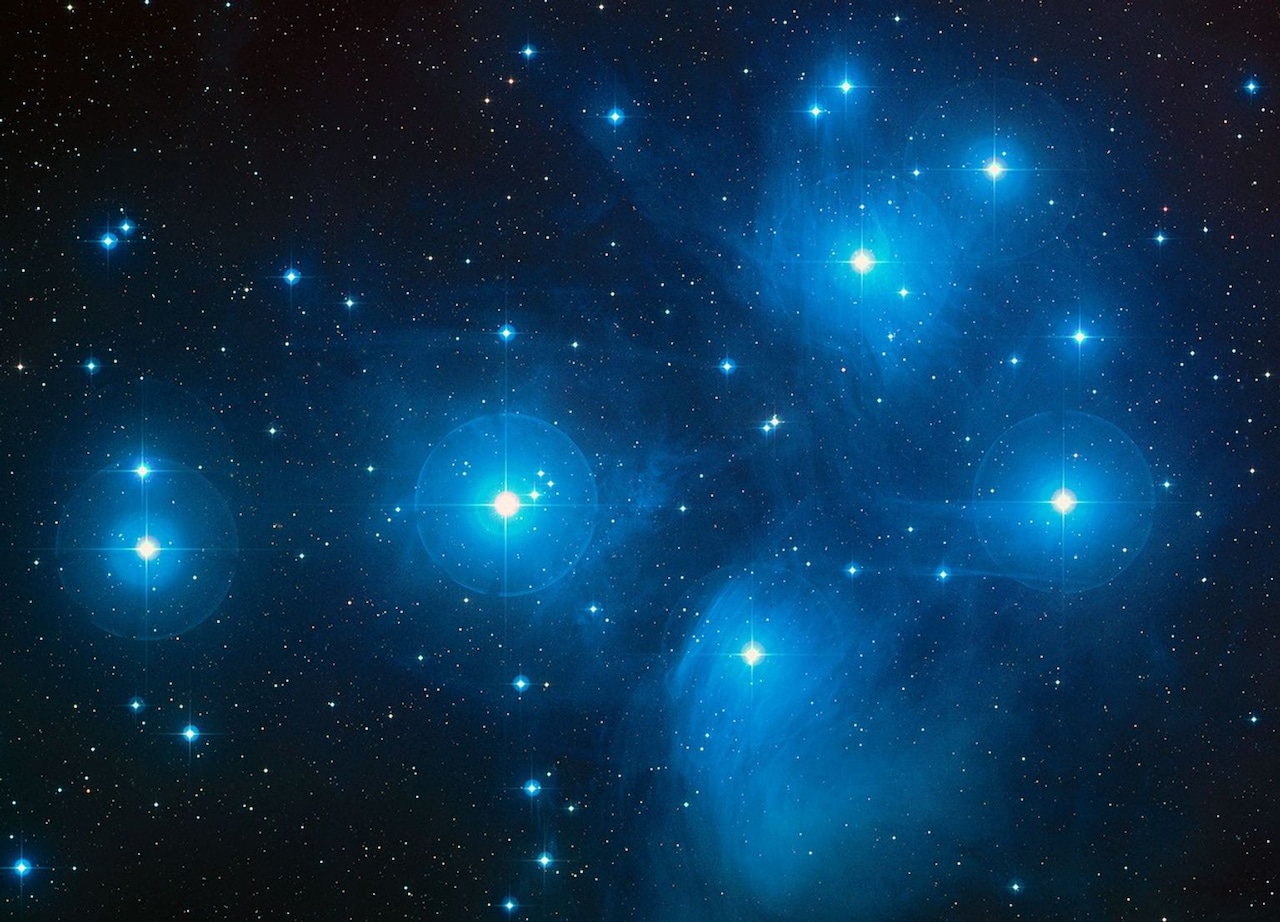
Pleiades star cluster stuns stargazers
The Pleiades star cluster, also known as the Seven Sisters, will be well-positioned for viewing this week.
According to NASA, the cluster contains over a thousand stars that are loosely bound by gravity, though visually it is dominated by just a few of its brightest members. Observed since ancient times, the Pleiades remains a popular attraction in the night sky, found in the constellation Taurus.
The weather forecast in western Oregon is not favorable, but dedicated sky watchers might be able to catch a glimpse of the Pleiades through a break in the clouds.
The cluster will become visible in the sky around 6:36 p.m. according to In-The-Sky, reaching its highest point in the sky around midnight Pacific Time, rising to 80 degrees above the southern horizon. The Pleiades are visible to the naked eye but might be best appreciated through binoculars.
If you purchase a product or register for an account through a link on our site, we may receive compensation. By using this site, you consent to our User Agreement and agree that your clicks, interactions, and personal information may be collected, recorded, and/or stored by us and social media and other third-party partners in accordance with our Privacy Policy.
First Appeared on
Source link






