



Terrifying truth about over-the-counter pills taken by 20 MILLION Americans as doctors reveal ‘cascade’ of life-threatening side effects
Millions of Americans mindlessly pop heartburn medications like candy after a greasy slice of pizza or cheeseburger, but the pea-sized pills in medicine cabinets everywhere are silently wreaking havoc on the body.
The riskiest type of heartburn medications are proton pump inhibitors (PPIs) – the little tablets with well-known names like Prilosec and Nexium that stop stomach acid in its tracks.
They are the third highest-selling type of drug in the US, with a staggering 20 million Americans relying on them for everything from occasional heartburn to chronic gastroesophageal reflux disease (GERD).
But a growing body of research is painting a darker picture of the seemingly harmless tablets, especially when taken over a prolonged period.
While they may quell the burning in your chest, doctors warn they may be opening the door to a host of disruptive and even severe side effects: weakening the bones to the point of fracture, starving the body of vital nutrients and dramatically raising the risk of deadly organ damage.
Research suggests that these side effects, mild to severe, are at least partially reversible if the medication is stopped, though timelines and outcomes vary depending on the specific condition.
Once you start taking the medications, getting off them can be a nightmare. It can trigger a vicious rebound effect where your stomach roars back with a vengeance, trapping you in a cycle of dependency on the pills that experts say is hard to break.
When you abruptly stop a PPI, you remove the mechanism that was forcibly blocking acid production. While taking the drug, your body responded to the lack of acid by building a larger production engine, multiplying millions of acid-producing cells and priming them for a massive release.
Common heartburn medications may quiet the burning in your chest, but long-term use carries serious risks, included fractures, nutrient deficiencies and organ damage
The natural feedback system that normally applies the brakes to acid secretion remains suppressed, having grown accustomed to the drug’s effects. The result is a stomach that goes into hyperdrive, pumping out far more acid than it did before you ever started taking the medication.
The Daily Mail has compiled a list of the most common and concerning side effects of the common medications available both over the counter and by prescription.
While the risks of severe side effects are considerably lower when they are taken only occasionally, millions of Americans take over-the-counter varieties several times per week or even every day.
Gastrointestinal upset
Heartburn medications, including PPIs, have been shown to cause potentially dangerous GI problems, including diarrhea, constipation, abdominal pain and vomiting.
Severe constipation can be debilitating. When the digestive system slows to a crawl due to aluminum-based antacids or the acid suppression of PPIs, patients can experience bloating, sharp abdominal pain and a sense of incomplete evacuation in the restroom.
Over time, this can mask more serious underlying conditions or erode someone’s quality of life, leaving them stuck in a cycle of fiery heartburn and the discomfort of a stagnant gut.
The most alarming diarrheal risk associated with PPIs is infection with Clostridioides difficile, or C. diff – a bacterium that causes severe, persistent and potentially life-threatening inflammation of the inner lining of the colon.
Research shows that acid-suppressive therapy creates an environment where C. diff can thrive. The FDA has issued warnings that PPI use may increase the risk of C. difficile-associated diarrhea.
A systematic review found that PPI use increases susceptibility to GI tract infections. Across multiple studies, researchers found that PPI users were 1.2 to five times more likely to develop a C. diff infection.
More recent research has confirmed this link.
A 2024 study of patients with inflammatory bowel disease found that PPI use was associated with a three to fourfold increased risk for enteric infections, including C. diff.
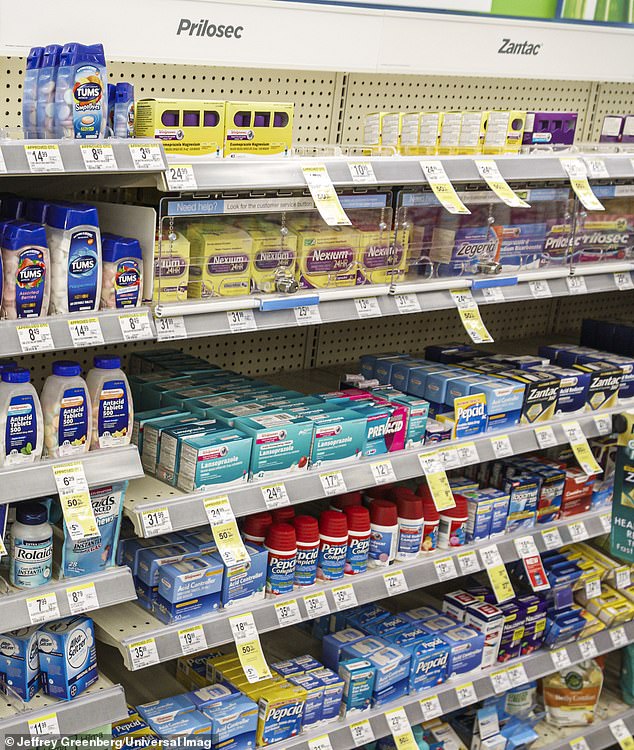
At the center of the concern are proton pump inhibitors (PPIs) – household names like Prilosec and Nexium that halt acid production entirely. These pills have become the nation’s third-best-selling drug with 20 million Americans now taking them
Headaches and migraines
Recent research suggests that all types of acid-reducing medications are linked to a higher risk of headaches and migraines.
One 2024 study found that even after accounting for other migraine triggers like age, gender and how much caffeine or alcohol a person consumes, the link between the headaches and PPIs remained strong.
PPI users were 70 percent more likely to suffer from migraines. Those relying on H2 blockers like Pepcid saw their risk jump by 40 percent, and even people popping basic antacids like Tums faced a 30 percent higher chance of debilitating headaches.
Experts aren’t certain why heartburn drugs trigger headaches or migraines, but they have a few leading theories. Magnesium is the prime suspect. PPIs can block absorption of this mineral and low magnesium is a known migraine trigger.
Another theory points to gut inflammation. When the drugs disrupt the digestive system, chaos in the GI tract can send inflammatory signals straight to the brain.
At the same time, it is also possible the drugs are not to blame, but rather stress or other underlying issues could be causing both the heartburn and the headaches.
Nutrient deficiencies
Scientists believe one of America’s most popular PPIs could be quietly sapping the body of vital minerals, potentially harming millions who take it daily.
Omeprazole, widely known as Prilosec, has been trusted for over three decades to shut down stomach acid and silence the burn of chronic heartburn, GERD and stomach ulcers. But that same mechanism of blocking acid also blocks the body’s ability to unlock essential nutrients from food.
Researchers at the Federal University of São Paulo in Brazil gave rats a standard human-equivalent dose of omeprazole and watched their mineral levels crumble. Within 60 days, the animals developed blood markers consistent with early anemia.
The problem began with copper, as levels in the liver plummeted. Since copper is required to absorb iron, this triggered a secondary crisis. Iron itself began accumulating uselessly in organs like the spleen instead of reaching the bloodstream, where it is needed to build healthy red blood cells.
That cascade leaves the body starved for oxygen. Red blood cell counts and hemoglobin levels dropped steadily over the course of the study. In humans, this oxygen starvation causes people to feel relentlessly tired yet unable to feel restored after a good night’s sleep.
They might find themselves breathless climbing stairs or struggle with brain fog that makes going to work and concentrating feel impossible. These symptoms are often mistaken for aging or stress rather than a drug-induced deficiency.

Blocking stomach acid disrupts the body’s ability to absorb iron, creating a cascade that leads to anemia, a condition where the blood cannot carry enough oxygen to fuel the body. The result is severe fatigue and weakness that rest can’t fix
Bone fractures
In the Sao Paulo study, omeprazole also appeared to have a detrimental effect on calcium. While blood calcium levels remained stable in the rats, the mineral was being depleted from storage sites in the liver.
The pattern suggests the body was breaking down bone tissue to maintain necessary calcium levels in the blood – a process that, over months and years, could silently weaken the skeleton, offering a biological explanation for the increased risk of hip and spine fractures seen in long-term users.
Stomach acid in the gastrointestinal tract plays an important role in helping the intestines absorb calcium and transport it to the skeletal system.
And while PPIs alleviate the burning in one’s chest, the reduction in stomach acid also interrupts and even stops the gut from absorbing much-needed calcium.
The evidence linking weakened bones to PPIs was clear enough that the FDA stepped in. In 2010, the agency forced manufacturers to affix a warning label on every box of the little pills.
Research has consistently shown that people who take high doses of PPIs for long periods face a greater risk of fragility fractures, the kind that suggest the medication has silently weakened the skeleton over time.
This makes it prone to breaking from everyday movements, from rolling over in bed, stepping off a curb, sneezing or bending down to tie a shoe. They most frequently occur in the hip, spine and wrist.
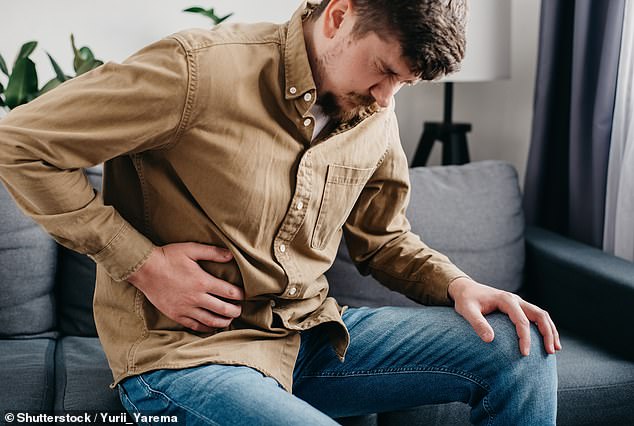
In some people, PPIs trigger a silent allergic attack on the kidneys. Immune cells invade the tissue, causing acute interstitial nephritis (AIN), a condition with no symptoms. Without warning, patients keep taking the drug while inflammation quietly scars their kidneys permanently
Kidney damage
Taking these medications, particularly PPIs, can cause damage to the kidneys and even kidney failure, often without giving any clues.
In 2017, researchers at Washington University School of Medicine tracked 125,000 patients and discovered that more than half of those who developed chronic kidney damage from PPIs never experienced acute problems beforehand.
They saw no flank pain, no dark urine, no dramatic drop in output; just a gradual decline that patients never saw coming.
A different study that year, published in JAMA Internal Medicine indicated that PPI users have a 20 to 50 percent greater risk of developing chronic kidney disease.
Scientists believe that in some people, PPIs trigger an immune or allergic reaction in the kidneys – the medication causes inflammatory immune cells to invade the kidney tissue. The condition is called acute interstitial nephritis (AIN). It typically shows no symptoms, allowing it to worsen silently.
If AIN is not caught early and the medication is discontinued, the inflammation can lead to permanent, irreversible kidney tissue scarring that leads to chronic kidney disease.
First Appeared on
Source link






