


The #1 Temperature Mistake Ruining Your Winter Sleep – and Weakening Your Immune System
Why turning up the heat backfires
On winter nights, it’s tempting to crank the radiator and burrow under a thick duvet. That cozy feeling can mask a hidden problem: your body needs to cool slightly to sleep well. Core temperature normally drops about 1°C, signaling the brain to initiate deep, restorative stages. When the room is too warm, that natural descent is blunted. The result is lighter sleep, more awakenings, and impaired recovery.
“A hot bedroom undermines restorative sleep and weakens your defenses—comfort is not the same as physiology.” When heat accumulates, the nervous system stays more alert, and the hormonal orchestra of the night—melatonin, growth hormone, and immune messengers—loses harmony. In parallel, cool, dry air allows many respiratory viruses to spread more easily, so overheating your bedroom doesn’t offer true protection. What you want is a cool, stable environment that supports natural thermoregulation.
The sweet spot: temperature, humidity, and breathable fabrics
Most adults sleep best between 16–19 °C (60–66 °F), a range that keeps the body cool yet comfortable. For children, aim near 18 °C, as their thermoregulation is still maturing. Pair that with indoor humidity of 40–60% to protect your airways and reduce dryness. Too-dry rooms irritate the nose and throat, while overly damp air can worsen congestion and mold risks.
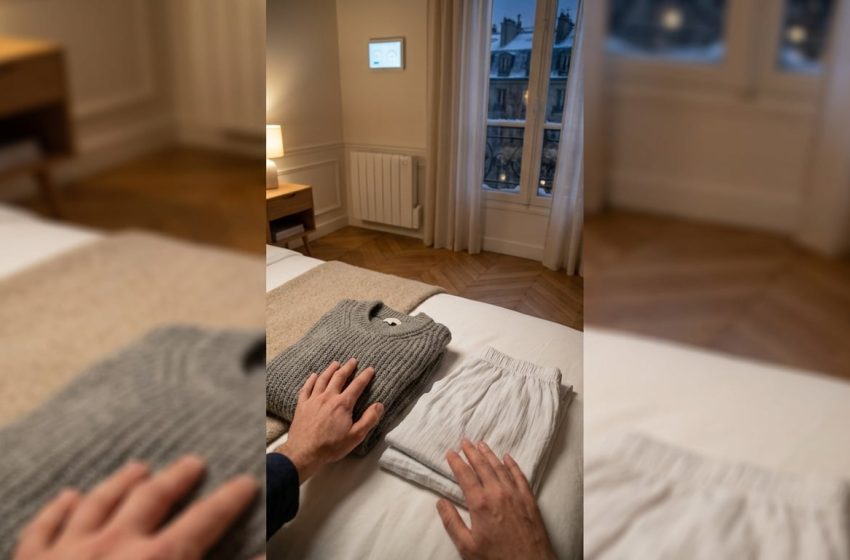
Equally important are fabric choices that let heat and moisture escape. Breathable cotton, merino, or bamboo knits help wick sweat without trapping excessive warmth. Heavier synthetics can hold heat against the skin and block gentle cooling. If you prefer layers, keep them light, so you can peel back gradually as your body settles. A duvet with a moderate tog and a sheet of natural fiber creates adjustable comfort with less overheating.
- Aim for 16–19 °C in the bedroom and 40–60% humidity.
- Choose breathable, moisture-wicking pajamas and natural bedding.
- Layer lightly so you can adjust warmth without waking fully.
- Ventilate briefly before bed to refresh air and reduce stagnation.
- Keep heavy space heaters off overnight for safety and sleep quality.
What to wear to bed in winter without overdoing it
Your goal is “thermal neutrality”—not too hot, not too cold—so the body can release heat through the skin while you stay comfy. Light merino or cotton pajamas breathe and manage moisture better than bulky fleece. If you run hot, try a soft tee and shorts with a modest duvet. If you run cold, add thin layers rather than one heavy set.
Interestingly, warm hands and feet help the core cool more efficiently. Wearing thin socks or using a small hot-water bottle at your feet can dilate peripheral vessels, speeding heat loss from the core and easing sleep onset. Keep your neck and head moderately covered if you chill easily, but avoid tight, heat-trapping headwear. The rule is simple: breathable fabric, light layers, and adjustable covers.
Smart evening habits that support immune resilience
Thermal timing is as crucial as the number on the thermostat. Take a warm (not hot) bath 60–90 minutes before bed; as you cool afterward, your core temperature naturally drifts down. Dim lights and cut screens to reduce alerting signals. Lower the thermostat about an hour before bedtime so the room reaches its cool setpoint. If your bed feels chilly at first, pre-warm it with a hot-water bottle and remove it once you feel cozy.
Avoid late-night alcohol and very heavy meals, which raise metabolic heat and fragment sleep. Hydrate enough to keep mucous membranes comfortable, but taper fluids near bedtime to limit wake-ups. If you share a bed, consider separate blankets or a dual-weight duvet so each person can fine-tune temperature independently. Small adjustments add up to deeper sleep and steadier immunity.
Putting it all together
Think of your bedroom as a gentle cooling chamber where your body can release heat smoothly. Favor breathable fabrics, light layers, and a steady setpoint in the mid-to-high 60s °F (around 18 °C). Keep extremities warm enough to relax vessels while your core cools. When you get this balance right, sleep becomes deeper, awakenings fade, and your immune system gets the restorative night it needs to face winter’s daily challenges.
First Appeared on
Source link






