


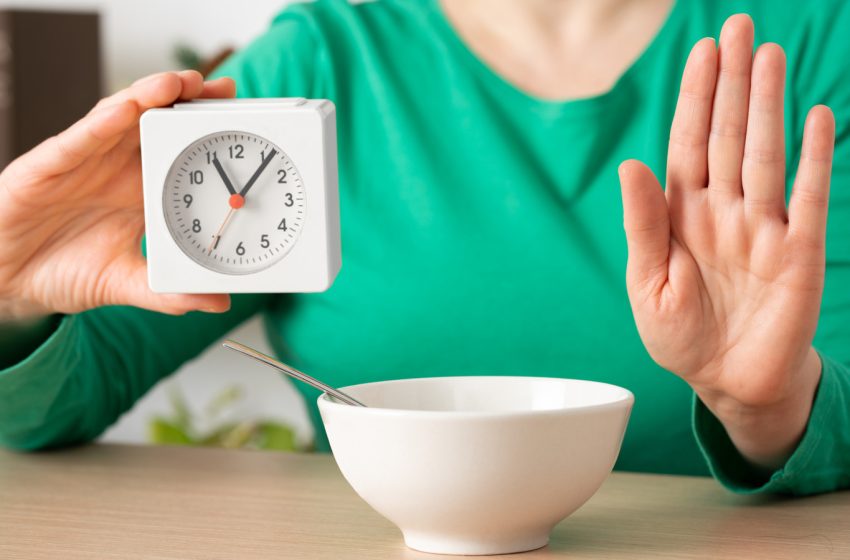
The Best Time To Stop Eating Before Heading To Bed
Late-night cravings happen, which means sometimes we head to bed shortly after eating a meal. While it’s risky to eat certain foods late at night, recent research suggests it may be beneficial to avoid eating altogether for at least three hours before bedtime to support a healthy heart and hormones.
In early February, a study published by the American Heart Association examined 39 obese and overweight adults (80% of whom were women) between the ages of 35 and 75 over the course of 52 days as they practiced overnight fasting. The study found that those who participated in an extended overnight fast — 13 to 16 hours — experienced more favorable health outcomes compared to those who “habitually” fasted overnight for 11 to 13 hours. The extended fasting group experienced a decrease in nighttime blood pressure, heart rate, and cortisol (a stress hormone) preceding improved outcomes of these markers during the daytime. This group also showed improved insulin response and blood sugar stability.
Three hours is the magic number because melatonin — the hormone that regulates sleep — begins to rise about three hours before bed. As melatonin increases, heart rate slows, blood pressure drops, and insulin (the hormone responsible for regulating blood sugar) levels decrease. If you eat while melatonin is rising, the body’s natural wind-down process becomes interrupted as digestion increases heart rate and blood pressure while also keeping blood sugar elevated due to reduced insulin. Over time, regularly eating during this period may contribute to weight gain, high blood pressure, heart disease, type 2 diabetes, and poorer sleep quality; all of which are interconnected and can compound overall health risk.
Meal timing for the body’s internal clock

If you’re prone to eating before bed, a helpful practice is to eat when the sun is up and stop when the sun goes down. This approach aligns with the body’s internal clock, known as circadian rhythm, which ramps up many physiological functions during the day and slows them down in the evening.
Eating balanced meals at the right times throughout the day (particularly lunch) will help prevent late-night cravings and the tendency to eat a large dinner right before bed. According to science, the best time to eat your biggest meal isn’t dinner — it’s lunch. Ideally, the best time to have lunch is between 12 p.m. and 2 p.m., allowing for a lighter dinner to be finished between 6 p.m. and 7 p.m. This timing provides a three-hour window before going to bed between 9 p.m. and 10 p.m.
While this meal timing can help support not eating three hours prior to bedtime, it isn’t realistic for everyone. Individuals who need to stabilize blood sugar overnight and athletes prioritizing muscle recovery may still need to eat before bed. For situations such as these, opt for a light meal or snack that includes lean protein paired with fiber-rich complex carbohydrates like whole grains, fruits, and veggies along with a source of healthy fat. This could look like a cup of cottage cheese with a handful of berries and a sprinkling of sliced nuts on top, for example.
First Appeared on
Source link






