


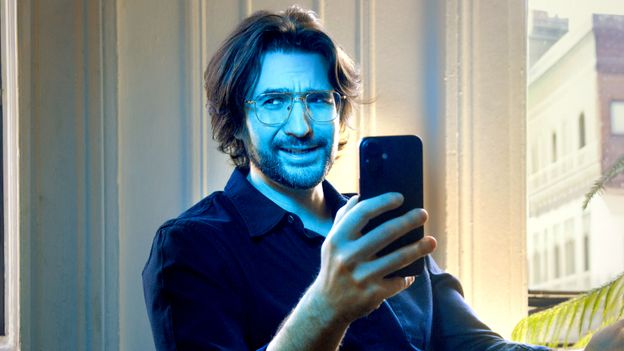
The blue light from your phone isn’t ruining your sleep
And blue light really can influence your sleep. Zeitzer says that’s mostly because you have a light-sensitive protein in your eyes called melanopsin which plays a key role in your sleep system. “And melanopsin is a blue sensitive protein, which basically means that it is most sensitive to blue light,” he says. Melanopsin reacts to other colours of light too, the effect of blue is just a bit stronger.
“But the amount of light emitted from our screens is really inconsequential,” says Zeitzer. Your life doesn’t match the conditions of many blue light studies. “We bring someone into the laboratory, and they are exposed to very dim light all day long. And then they are given a bright light stimulus,” he says. Under those circumstances, blue light makes people go haywire, but it doesn’t reflect typical experience of human life.
After years warnings and millions of people flipping on the blue light filters built into their phones, the latest science suggests screens are not the main culprit here after all. For example, a recent review of 11 different studies and found that the light from screens only delayed sleep by about nine minutes, at worst. Not zero, but not life altering, either.
The amount of blue light emitted by the screens of phones, laptops and tablets has also been shown to be tiny compared to the blue light we receive from the Sun – 24 hours-worth of blue light from digital devices totted up to less than one minute spent outdoors, according to one study. Other studies have shown it’s not enough to affect levels of the hormones that control our sleep.
So why am I so tired all the time? Zeitzer and others told me there are lots of other ways that light, blue and otherwise, could be ruining my bedtime. If I really wanted to tackle the blue monster, it was going to take a serious lifestyle change.
First Appeared on
Source link






