


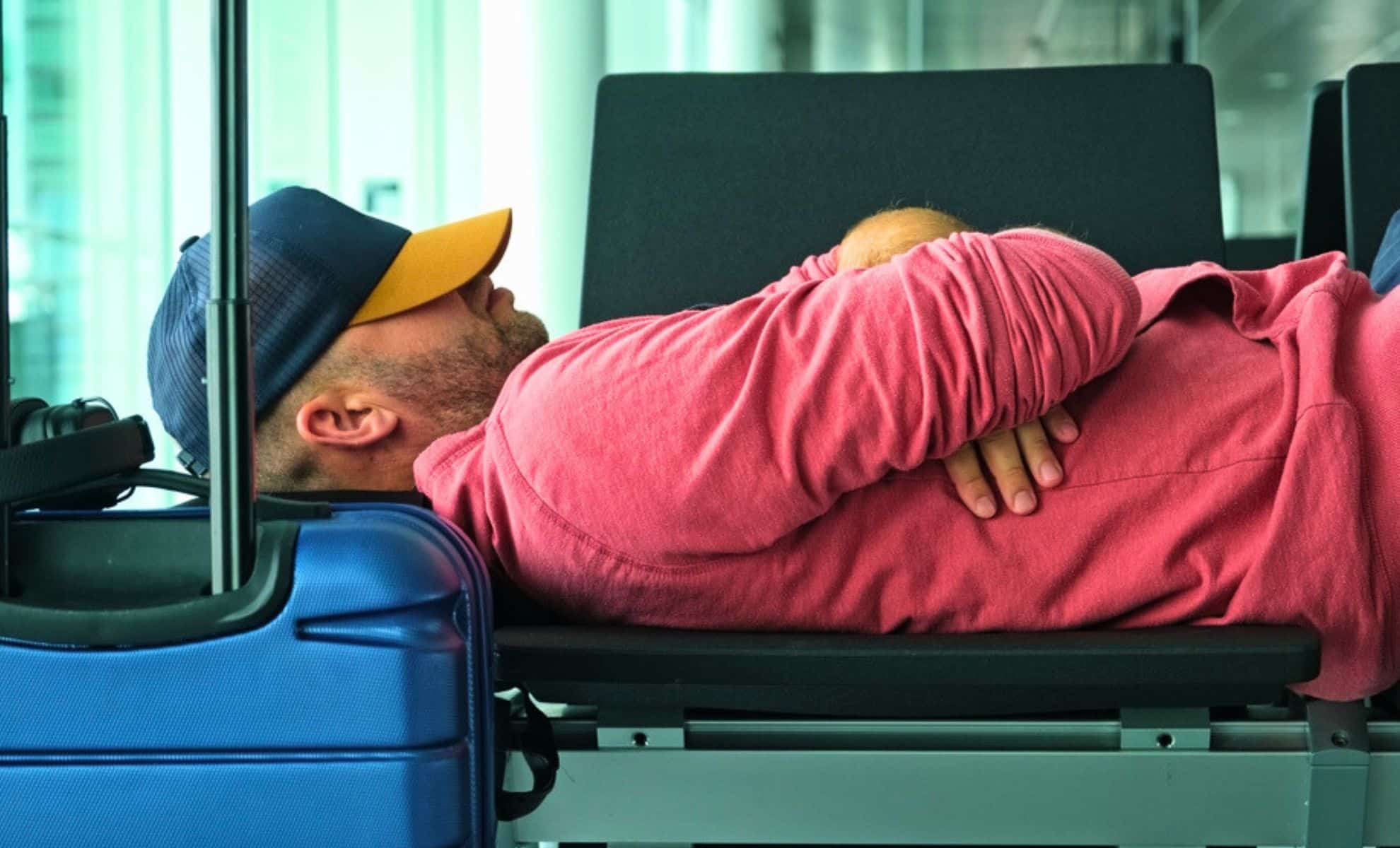
The Jet Lag Cure Born from NASA-Inspired Research That Resets Your Body Faster
In an era of hypermobility, where business meetings in Berlin follow red-eyes from Boston and leisure travelers chase sunsets across hemispheres, jet lag remains a stubborn adversary. Despite decades of research and a booming wellness industry promising quick fixes, the human body continues to resist the tyranny of time zone shifts.
Jet lag isn’t just a minor inconvenience—it’s a physiological tug-of-war between your internal clock and the external world. The result? Days of fatigue, insomnia, digestive issues, and cognitive fog that can derail even the most meticulously planned itinerary. And as global travel rebounds post-pandemic, the urgency to understand and mitigate jet lag has never been greater.
What makes jet lag so insidious is its unpredictability. Two travelers on the same flight can experience vastly different symptoms. Age, chronotype, direction of travel, and even genetics play a role. Yet, the core conflict remains universal: our circadian rhythms, finely tuned to the 24-hour cycle of light and dark, don’t take kindly to abrupt changes.
Now, a growing body of research is shedding new light on how to outsmart this biological inertia. From strategic light exposure to pre-flight sleep adjustments, scientists are uncovering practical, evidence-based strategies that could finally offer weary travelers a fighting chance.
Resetting the Clock: Light as the Master Regulator
The single most powerful tool in the jet lag arsenal? Light. Exposure to natural light is the primary cue that synchronizes our internal clocks with the external environment. Morning sunlight can help advance the circadian rhythm, making it easier to adjust to eastward travel, while evening light can delay it for westward shifts. The Sleep Foundation highlights light exposure as one of the most effective ways to reset your body clock.
Apps like Timeshifter, developed with input from NASA scientists, use this principle to create personalized jet lag plans. They recommend when to seek or avoid light, caffeine, and sleep based on your itinerary and sleep patterns. While not a cure-all, these tools represent a leap forward from the days of blindly popping melatonin and hoping for the best.
For travelers without access to such apps, the rule of thumb is simple: get outside. Even 20–30 minutes of natural light exposure in the morning can accelerate adaptation, especially when paired with light exercise like walking.
Sleep Strategically, Not Spontaneously
One of the most common mistakes travelers make is trying to “power through” jet lag by staying awake until local bedtime. The intention is right, but the execution often backfires. Sleep deprivation can intensify symptoms and make it harder to adjust.
Experts recommend gradually shifting your sleep schedule before departure. If you’re flying east, try going to bed and waking up an hour earlier each day for a few days before your flight. For westward travel, do the opposite. The Centers for Disease Control and Prevention (CDC) supports this approach as a proactive way to reduce jet lag.
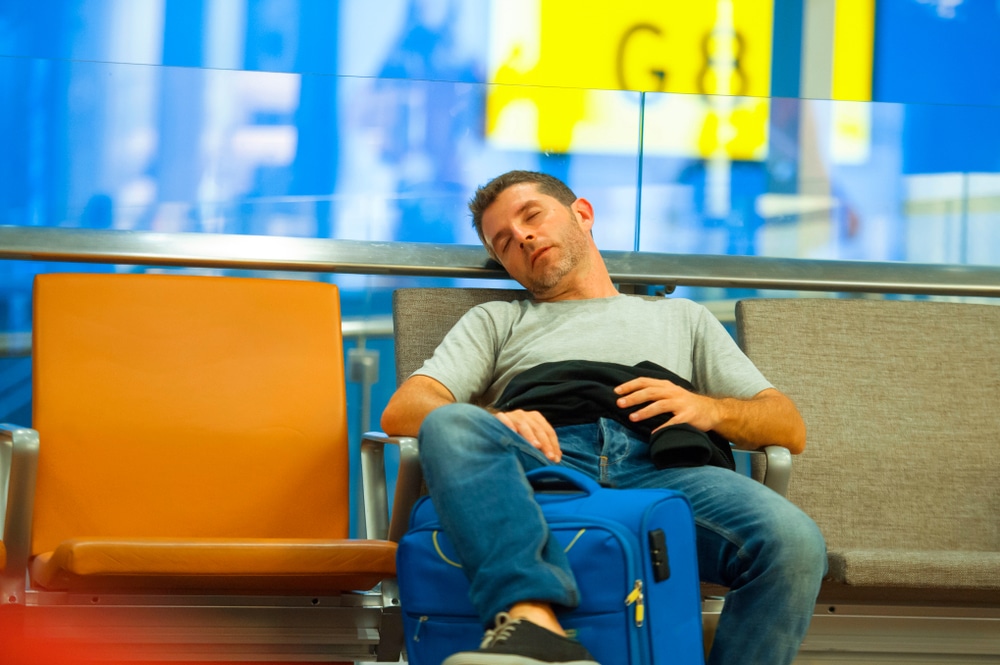
Avoiding naps during the first day at your destination can also help, though short, strategic naps (20–30 minutes) may be beneficial if timed correctly. The key is consistency—your body needs clear signals to recalibrate.
Hydration, Caffeine, and the Myth of the Midnight Meal
Air travel is notoriously dehydrating, and dehydration can intensify jet lag symptoms. The Aerospace Medical Association recommends drinking at least eight ounces of water for every hour in the air. Alcohol and caffeine, while tempting, should be used sparingly. Caffeine can help with alertness but should be avoided within six hours of your intended bedtime.
Emerging research suggests that meal timing may influence circadian rhythms. A study in Cell Reports found that mice who ate during their active phase adjusted more quickly to time zone changes. While human studies are ongoing, some experts suggest aligning meals with local time upon arrival to help reset the body’s internal clock.
From Wearables to Chronomedicine
As interest in circadian health grows, so too does the technology designed to support it. Wearables like the Oura Ring and WHOOP strap now track sleep stages and recovery metrics, offering insights into how travel affects the body. Meanwhile, pharmaceutical companies are exploring chronobiotic drugs—compounds that can shift circadian rhythms more precisely than melatonin.
The most promising frontier may lie in personalized medicine. Researchers are beginning to understand that circadian rhythms vary widely between individuals. Tailoring interventions to each person’s biological profile could redefine how we approach jet lag in the years ahead.
That future may still be on the horizon. For now, the best defense against jet lag remains a blend of science and strategy: plan ahead, seek the sun, hydrate well, and respect your body’s need for rest.
First Appeared on
Source link






