


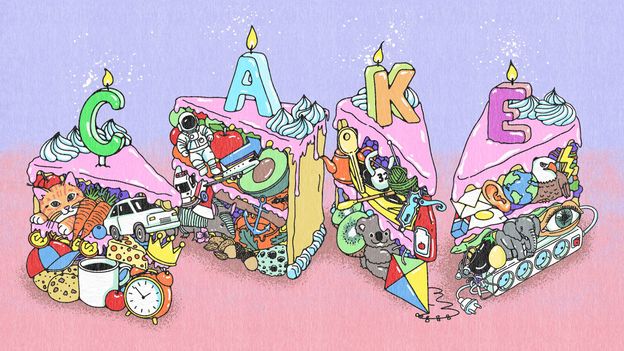
The micro-dreaming game that helps you sleep
Invented by an academic and popularised by social media, this sleep technique has long claimed to help people switch off their busy brains. When it recently worked for me, I became curious about how exactly it plays upon the mind.
If, like me, you are an anxious over-thinker, then lying in bed at night is prime time for ruminating. It doesn’t matter if I’m stressed or excited, I often can’t switch-off my brain. From breathing patterns to backwards counting, I’ve tried tons of sleep hacks. But none made a difference until I learned about cognitive shuffling.
The technique involves thinking of a random, emotionally neutral word, for example, “cake”. You take the first letter of the word, in this case “C”, and think of as many items or objects as you can that begin with the same letter, such as “car,” “carrot” and “cottage” – visualising each item as you go.
Once you can’t think of any more words beginning with C, you move on to the second letter. I rarely make it to the third.
It’s not a guaranteed fast-track to sleep – sometimes it still takes me a while – but it’s made enough of a difference that I’m still using the practice a year later. As are many others: hundreds of videos recommending cognitive shuffling have been posted on social media over the last few years, some receiving hundreds of thousands of views.
First Appeared on
Source link






