



The nutritious snack that has 30 per cent fewer calories than you think
Snacking isn’t necessarily a bad thing. The problem is often what we are snacking on.
“We’ve demonised snacking, but it’s a great way to keep energy levels up throughout the day and add in healthy foods,” says Professor Sarah Berry, associate professor at King’s College London and chief scientist at ZOE.
However, many foods advertised as snacks are calorie-dense, nutritionally sparse and malevolently moreish – think crisps, chocolate bars and biscuits.
“On average we get 25 per cent of our energy from snacks, so opting for healthy snacks can be a great, simple way to improve our health,” Professor Berry adds.
The formula for more nutritious snacking
Nutritionist Nicola Ludlam-Raine recommends a simple formula for creating snacks that leave you feeling full and nourished.
“Always think about including protein and fibre,” she says. “That could be apple and cheese, berries and yoghurt, carrots and hummus or nuts and dried fruit.”
Protein, she says, is “essential for life”, building and repairing tissues such as muscle and bone. It also plays a role in many other important bodily processes, such as boosting immune health. Experts tend to recommend eating between 1.2g and 1.6g of protein per kilogram of body weight each day, with higher amounts supporting higher activity levels.
“And 96 per cent of people in the UK aren’t getting the recommended amount of fibre,” Ludlam-Raine adds. The NHS recommends 30g per day, as “there is evidence that eating plenty of fibre is associated with a lower risk of heart disease, stroke, type 2 diabetes and bowel cancer”.
Professor Berry seconds this approach to snacking, recommending people prioritise foods high in “protein, fibre and healthy [unsaturated] fats”.
“Yoghurt with fruit and cheese and whole grain crackers are two combos I love that check these boxes,” she says. “Options like popcorn, when you’re craving something crunchy and salty, and dark chocolate, for a midday treat, are also excellent to have on hand.”
Read more: Scientists share six easy ways to increase the health benefits of your daily walk
What to eat in your snacks
High fibre foods include most fruits and vegetables, as well as beans, legumes, nuts and seeds. High protein foods include meat, fish, dairy, eggs, tofu, tempeh, seitan, lentils, beans, nuts and seeds.
One food Professor Berry strongly recommends adding into your diet is almonds – for a wealth of health-boosting reasons.
“Our research has shown that swapping typical UK snacks for almonds can reduce our risk of cardiovascular disease by a predicted 30 per cent,” she says.
“Almonds are an excellent source of fibre, unsaturated fats, vitamin E, magnesium and B vitamins, and they are incredibly beneficial for your long term health and wellbeing.
“We’ve known about the cardiovascular health benefits of almonds for a while, but this new data on their impact on cognitive health and mood regulation is really exciting.
“We found that people who reported a higher almond intake reported lower rates of anxiety, and were less likely to report neurodegenerative conditions like dementia or Parkinson’s.”
Read more: So, if intermittent fasting doesn’t work for weight loss, then what does?
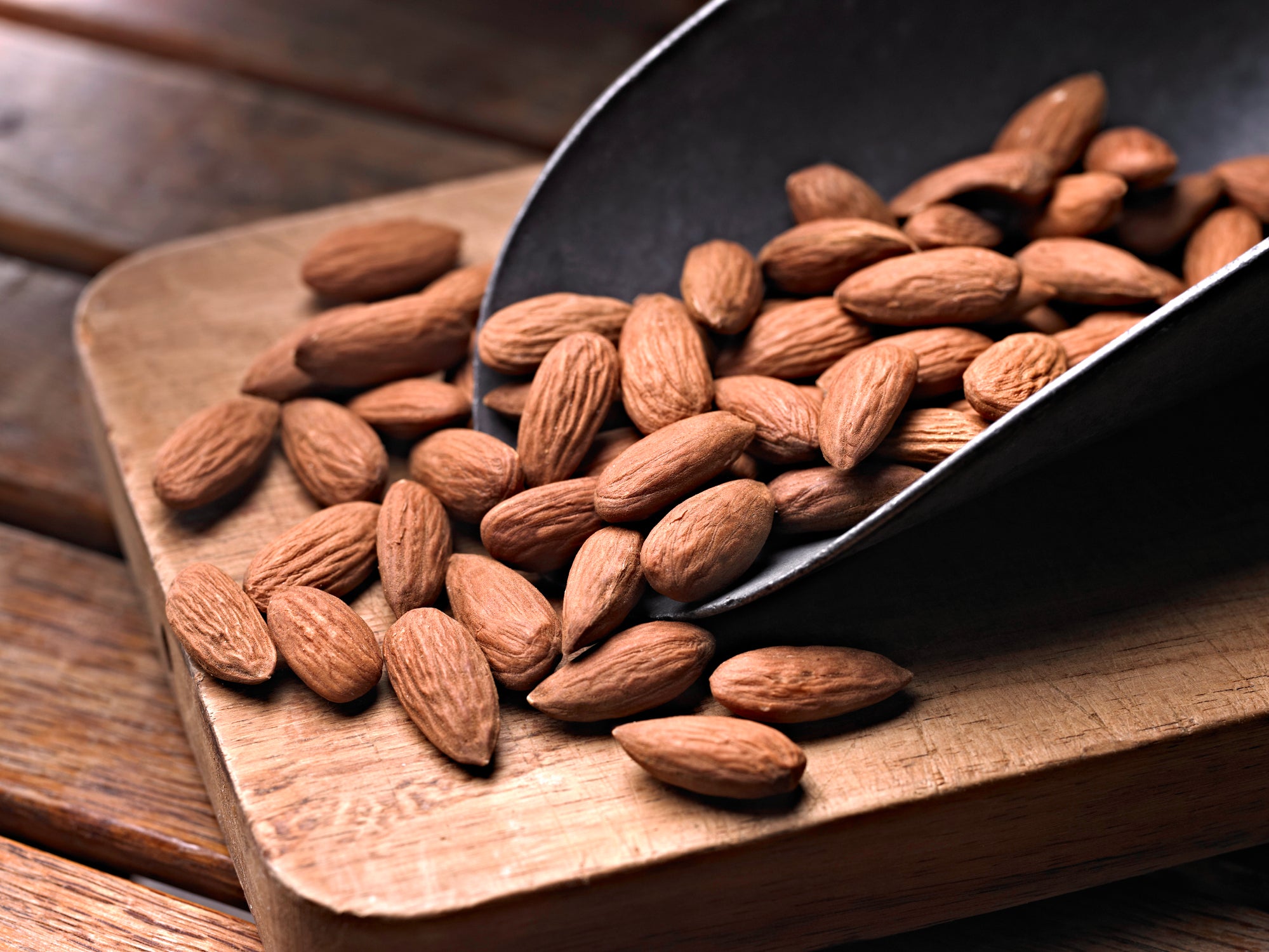
This advice may contradict prescriptions you have heard in the past. Almonds, while delicious, are calorie-dense, leading people to limit them in their diet. A supermarket packet I picked up recently claimed to contain 604kcal and 51.1g of fat per 100g.
But Professor Berry challenges this, and she is keen to restore the almond’s reputation as a top snacking option.
“Nuts have been unfairly demonised as being high-calorie due to their fat content,” she says. “However, my research shows that approximately 30 per cent of the calories in almonds are not absorbed, due to the unique structure of almond cells. So in fact, the back-of-pack calorie label for almonds is wrong.
“Additionally, many studies show that nuts increase feelings of fullness, and that nut eaters tend to be a healthier body weight than non-eaters.
“Nuts are an amazing source of protein, fibre, healthy fat and antioxidants, and do an excellent job of boosting energy and keeping you full throughout the day.”
This doesn’t mean you should gorge on an entire bag daily.
“Like anything else, the benefits of almonds are best in moderation and as part of a varied diet,” Professor Berry adds. For an afternoon snack, one or two handfuls, or 30-60g, will likely suffice.
Read more: I’m a nutritionist and these are the biggest mistakes people make when they want to lose fat

Does the timing of your snacks matter?
Shifting a snack from 11am to 11.15am is unlikely to make a whole lot of difference to your health. But experts do advise avoiding snacking too late in the day.
“Our research shows that 30 per cent of people snack after 9pm, and that late-night snackers had worse blood glucose and lipid control compared to daytime snackers, so I advise against late-night snacking,” Professor Berry says.
Eating also sends a message to your body that there are still things to be done in the day, The Sleep Scientist founder Dr Bostock adds. You still need to digest your food, so your sleep quality may be disrupted. For this reason, sleep experts advise leaving two to three hours between your last meal and your bedtime.
First Appeared on
Source link






