


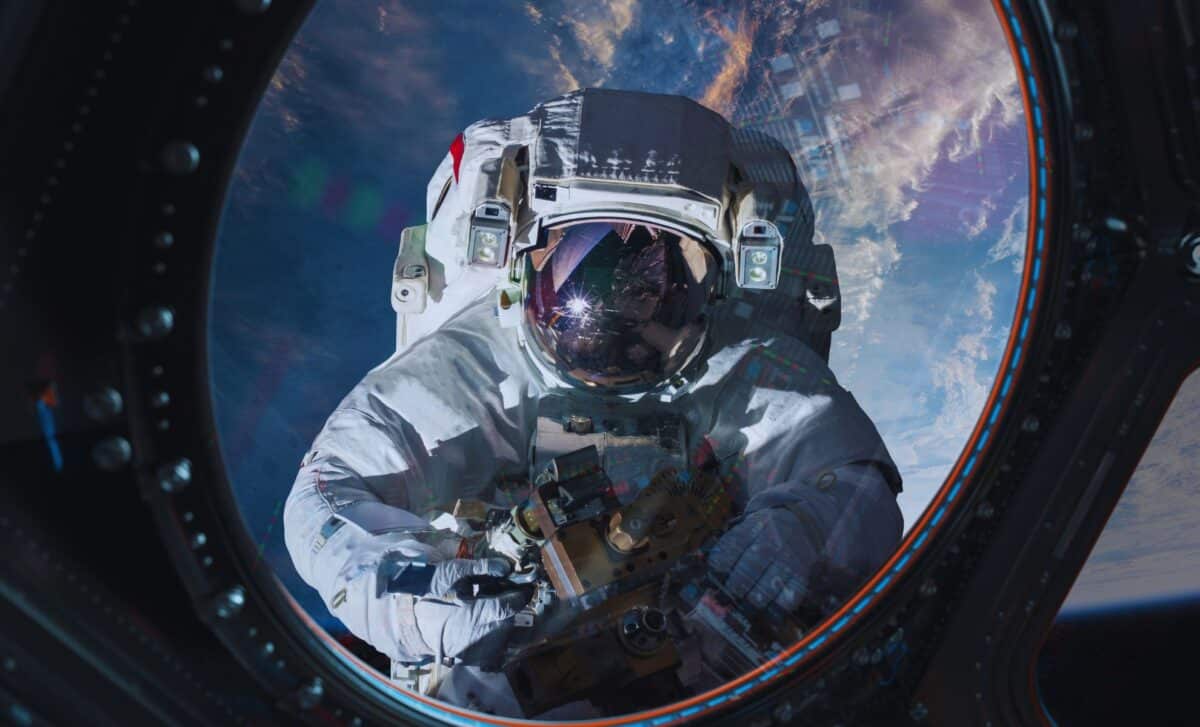
These Astronauts Showed Aging Years in Just Days… Then Got Younger After Landing
It turns out space may age you, but not for long. In a recent study, astronauts who spent just a few days aboard the International Space Station showed clear signs of accelerated aging in their blood. Strangely enough, once they were back on Earth, those changes didn’t just stop, but they reversed.
This unexpected rebound, published in the journal Aging Cell, adds to a growing body of research suggesting the human body is far more responsive and perhaps more resilient than we thought. The study tracked biological aging in real time, not over years or even months, but over days.
Aging Markers Spike Within Days in Orbit
Led by Dr. David Furman at the Buck Institute for Research on Aging, the study examined four astronauts who took part in the Axiom-2 mission, launched in May 2023. The research team collected multiple blood samples before, during, and after the mission to analyze changes in epigenetic markers, a tiny chemical tags on DNA that regulate gene activity. These tags, often called “clocks,” offer a way to estimate biological age far more precisely than a person’s chronological age.
To do this, the researchers used 32 different epigenetic clocks, each designed to detect specific biological signals: some linked to lifespan, others to organ health or overall cellular function. According to the latest reasearch on 11 January 2026, several of these markers spiked noticeably during the spaceflight. Changes that might take years to appear on Earth unfolded in a matter of days in orbit.
Why so fast? Space is anything but a gentle environment. The combination of microgravity, cosmic radiation, and disrupted sleep cycles places the body under intense and unusual stress.
The Immune System Takes a Hit, Then Shifts Gears
The apparent aging was being driven by the immune system itself. In particular, changes were noted in regulatory T-cells, which normally help control inflammation, and naive CD4 T-cells, which are like fresh recruits waiting to respond to new infections.
As Dr. Furman’s team found, these shifts in immune cell populations had a significant impact on the biological age readings. Since whole blood contains a mix of different immune cells, any major shift in balance can make the clocks tick faster or slower.
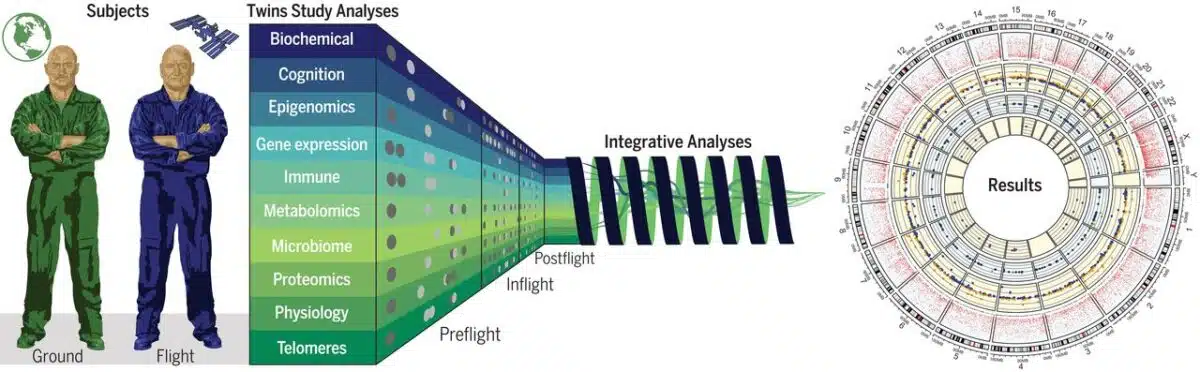
To make sure they weren’t just measuring a reshuffle in cells, the researchers corrected for this mixing and looked at what they called Intrinsic Epigenetic Age Acceleration. And that’s where it got even more interesting. Even after adjusting for immune cell types, the clocks still showed that aging had sped up.
Age Reversal Kicks in After Landing
Back on Earth, the astronauts’ biological age readings didn’t merely return to normal, they decreased. For some, especially younger crew members, they even fell below their preflight levels. Dr. Furman noted that:
“These results point to the exciting possibility that humans have intrinsic rejuvenation factors that can counter these age-accelerating stressors.”
Basically, when astronauts came home, gravity returned, circadian rhythms normalized, and their cells seemed to relax and recover.
The Findings Are Hard To Ignore
Still, the study doesn’t claim to have all the answers. Only blood samples were tested, and aging markers in other tissues such as muscle, bone, or brain might tell a different story. The small sample size also limits how widely these results can be applied. But even with those caveats, the speed and scale of the changes were enough to raise eyebrows.
One more thing: the researchers didn’t include a ground-based control group, which would have helped tease apart which effects came from space specifically and which might have come from other factors such as freeze-dried meals or erratic sleep. Further research will be needed.
First Appeared on
Source link






