


They Found a 1-Meter Dinosaur Foot, 20 Years Later, It Breaks a World Record
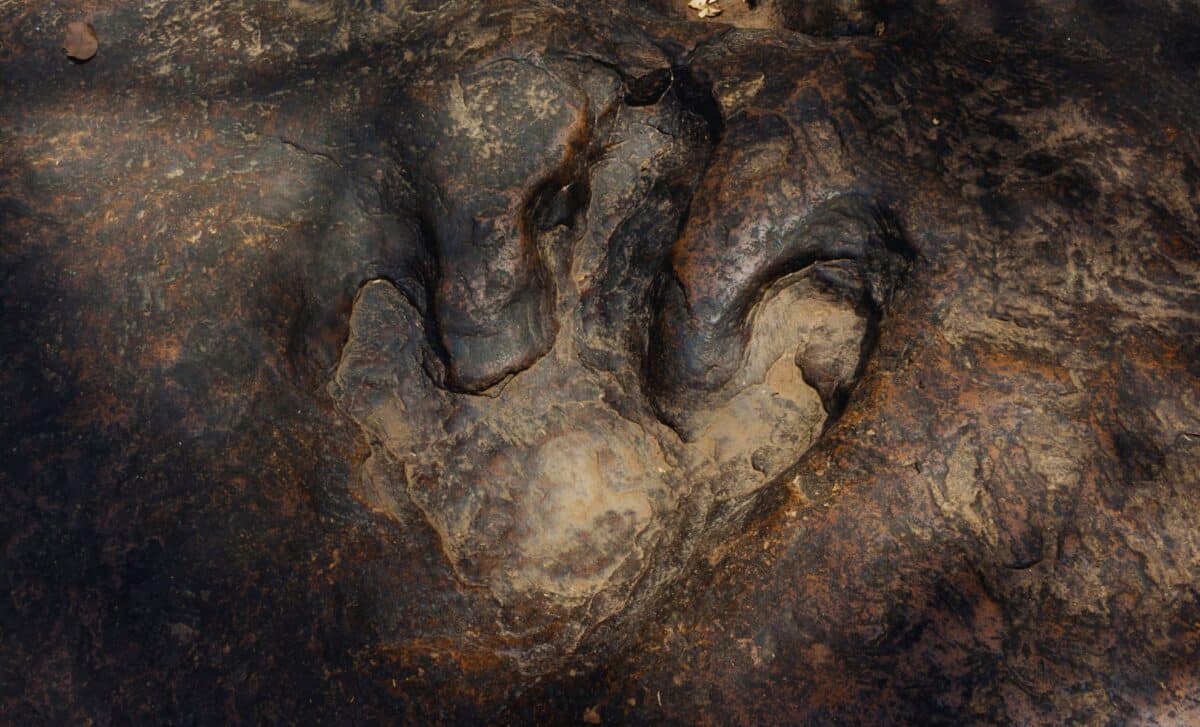
A dinosaur foot unearthed in 1998 in the Black Hills of Wyoming has now been officially declared the largest ever discovered, according to a recent study. Measuring nearly one meter across, the fossil belonged to a brachiosaur, one of the most massive land animals to have ever existed.
The specimen, informally known as “Bigfoot”, was found by a team from the University of Kansas. After years in storage, the fossil has been reexamined using modern techniques, revealing its true scale and scientific importance. The results confirm both the foot’s record-breaking dimensions and the broader range of the species that left it behind.
Record-breaking Dimensions Confirmed Through 3D Scanning
The fossilized foot, nearly 3.3 feet wide, was identified as belonging to a brachiosaur, a towering quadruped known for its extremely long neck and massive frame. While larger sauropod bones have surfaced elsewhere in the world, specifically in Australia and Argentina, those skeletons were incomplete and lacked feet.
According to the American Museum of Natural History, researchers used 3D scanning to take precise measurements of the fossil, allowing them to confirm that the foot is the largest ever documented. The sauropod it came from stood approximately 4 meters high at the hip, though its full height would have been considerably greater due to its extended neck. As reported by the research team, “This beast was clearly one of the biggest that ever walked in North America.”
The specimen was found in a quarry alongside the tail bones of a Camarasaurus, another sauropod species, which helped confirm the fossil layer’s age and environment. The bone’s completeness and size make it an unparalleled addition to the record of Jurassic megafauna.
Wider Habitat Range Than Previously Thought
The reexamination of “Bigfoot” not only provided size confirmation but also revealed a major insight into brachiosaur distribution across prehistoric North America. Previously thought to be confined to narrower regions, this fossil indicates that brachiosaurs occupied a much broader range, from eastern Utah to northwestern Wyoming.
“This is surprising,” said Emanuel Tschopp of the American Museum of Natural History’s Division of Paleontology. “Many other sauropod dinosaurs seem to have inhabited smaller areas during that time.”
This broader range contradicts earlier assumptions and adds new context to sauropod ecology in the Late Jurassic. The finding suggests that brachiosaurs thrived across more diverse landscapes than earlier fossil records implied.
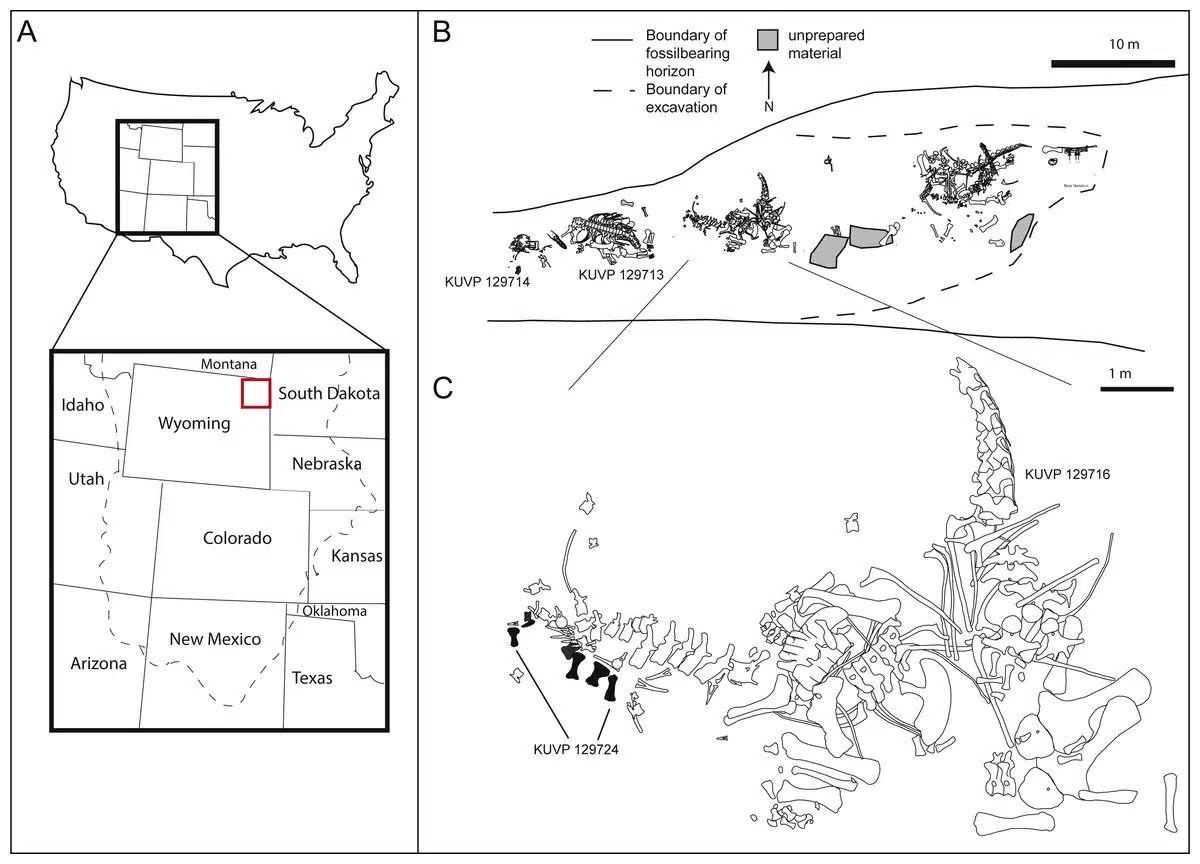
A Fossil Reexamined After 20 Years
The team that led the recent study was headed by Anthony Maltese, a member of the original excavation team who now works at the Rocky Mountain Dinosaur Resource Center in Colorado. His role in both the fossil’s discovery and its modern analysis gives the study a rare sense of continuity.
The findings were formally published in the journal PeerJ, officially confirming the fossil’s status. Led by an international team of researchers, the new analysis relied on advanced imaging techniques to reassess the specimen, resulting in updated measurements and classification. These technologies weren’t available during the initial excavation in 1998, making this recent reexamination a significant leap forward.
First Appeared on
Source link






