



This 10-minute morning routine can improve your joint health after 60, according to a personal trainer
The good news is you don’t need hours in the gym or expensive gym memberships to improve joint health after 60.
If you often wake up stiff and sore, you’re not alone. After 60, research shows that age-related changes in cartilage, synovial fluid, muscle mass and connective tissue can make it harder to move in the morning.
“Starting your morning with some quick mobility exercises can be helpful in ensuring your joints are lubricated and ready to go for the day’s endeavors,” says Amanda Dvorak, CPT, certified personal trainer. “Below are a handful of quick exercises that can be performed with minimal equipment and completed in just a few minutes.”
Here’s everything you need to get started.
Why does it matter?
Studies suggest that gentle weight-bearing exercises can boost synovial fluid circulation, which nourishes your cartilage and helps reduce stiffness. This type of low-intensity resistance training also supports muscle mass and bone density in older adults — two factors closely linked to mobility and fall prevention.
This quick morning routine targets the joints most commonly impacted by age-related stiffness, including your hips, knees, ankles, shoulders and wrists. If you’re new to exercise or managing arthritis, osteoporosis, or other health conditions, speak with your healthcare provider before beginning any new fitness routine.
1. Chair squats
Chair squats activate your hips, knees and ankles in a controlled, weight-bearing movement that closely mimics standing up from a bed, toilet, or couch. The ability to get up from a seated position without assistance is crucial for maintaining independence as you age.
How:
- Stand in front of a sturdy chair, feet shoulder-width apart.
- Keep your chest upright and your shoulders back.
- Hinge at your hips and bend your knees, then lower yourself into the chair.
- Lightly tap or sit down with control (avoid dropping too quickly).
- Press through your heels and stand back up while keeping your back straight.
- Use the chair arms or a nearby countertop for support if needed.
- Perform 2-3 sets of 5-8 reps.
2. Stair steps
Research shows that stair climbing can improve lower-body strength and aerobic capacity in older adults while remaining accessible and functional. It also boosts balance and gait mechanics to help you walk faster and for longer.
How:
- Stand facing a sturdy stair, step stool, or platform that allows a comfortable shoulder-width stance.
- Place your right foot on the step.
- Press through your right heel to step up while bringing your left foot up to meet it.
- Step back with your right foot, followed by your left.
- Maintain an upright posture and move at a controlled pace.
- Hold onto a railing or wall for support if needed.
- Complete 2-3 sets of 5-8 controlled step-ups per side.
3. Seated arm circles
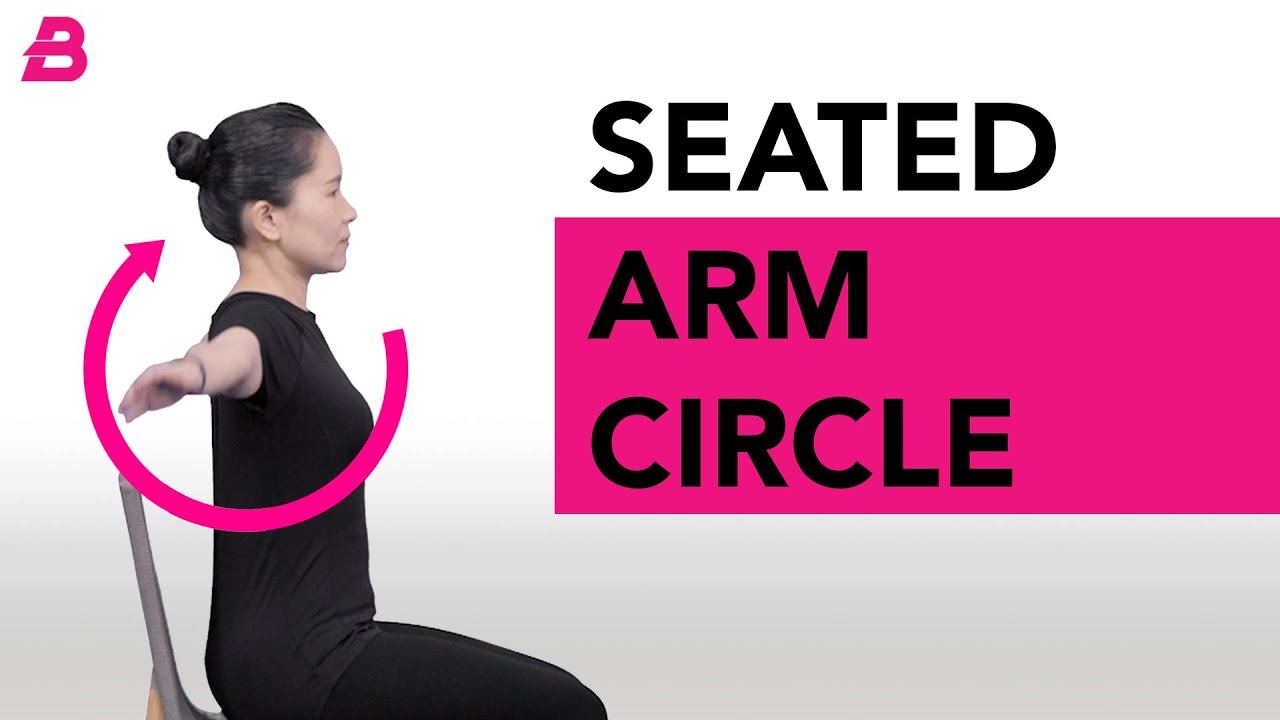
If you have stiff shoulders, you know how much they can limit everyday tasks like reaching overhead, fastening a seatbelt, or carrying groceries. Fortunately, doing seated arm circles helps mobilize your shoulder joints and activate your upper back to reduce stiffness.
How:
- Sit upright in a chair with your feet flat on the floor.
- Extend your arms out to the sides in a “T” position.
- Slowly rotate your arms in small clockwise circles for 30 seconds.
- Keep your shoulders relaxed and avoid shrugging.
- Rest, then repeat for 30 seconds in a counter-clockwise direction.
- Aim for 2-3 sets.
4. Ankle circles
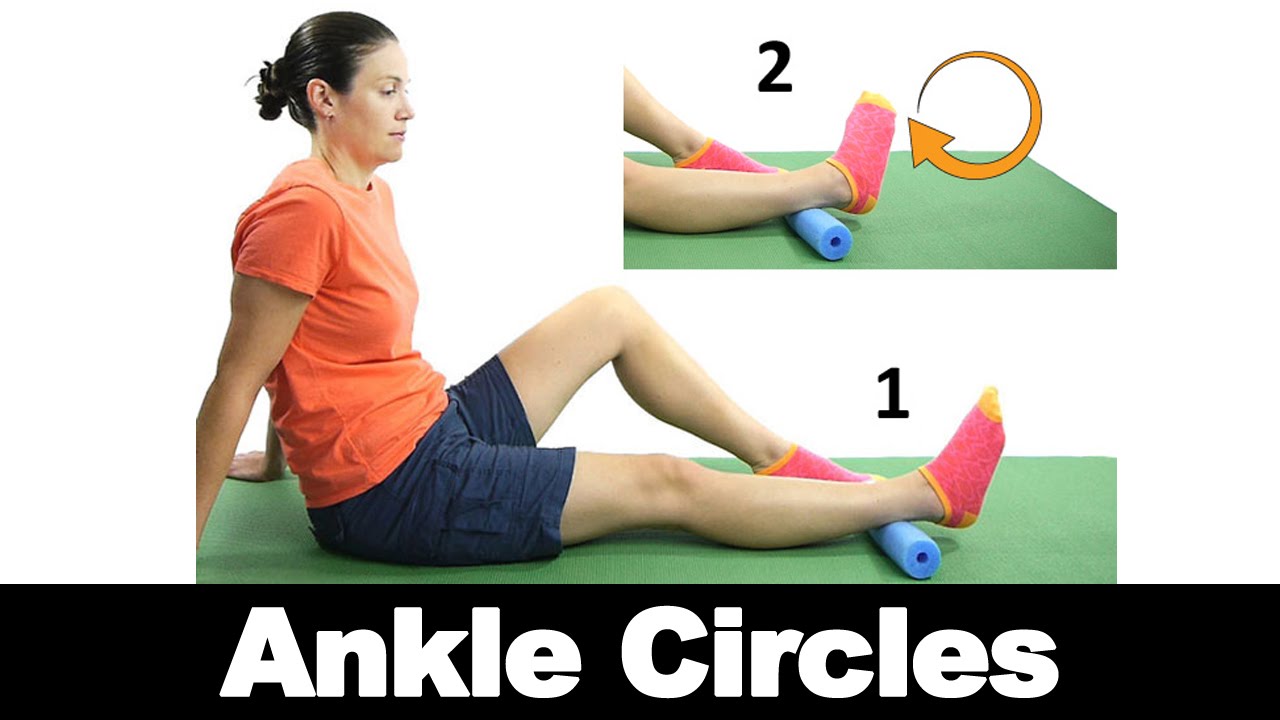
As you get older, studies show that ankle mobility is essential for improving balance and reducing your fall risk. Ankle circles can help reduce stiffness and strengthen the small stabilizing muscles around the joint.
How:
- Sit with your legs extended slightly in front of you.
- Lift one foot off the ground so it can move freely.
- Slowly rotate your ankle in a clockwise direction for 30 seconds.
- Lower your foot and repeat with the other ankle.
- Repeat for a few rounds.
5. Wrist rotations
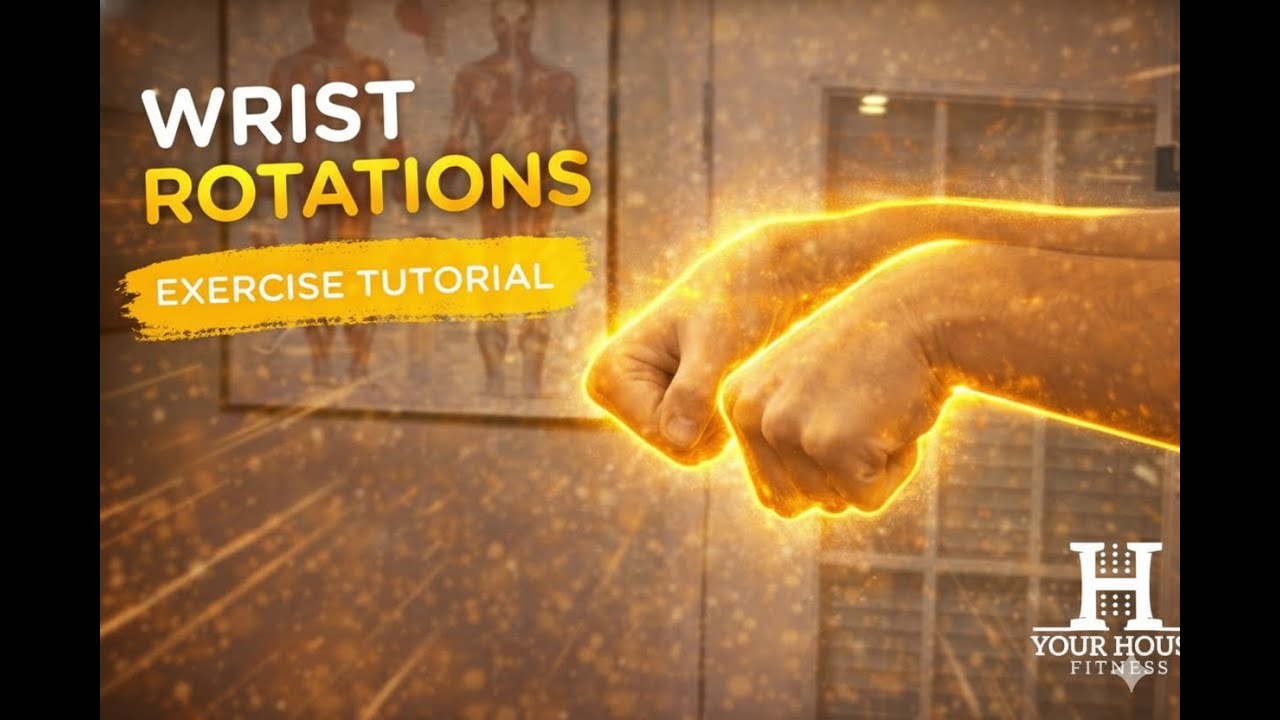
Wrist mobility is necessary for gripping objects, using utensils, opening jars and supporting your body during exercise. Gentle wrist rotations can increase blood flow and activate the forearm muscles that stabilize the joint.
How:
- Sit up tall and extend one arm forward or rest it on the arm of your chair.
- Make a loose fist with your hand.
- Slowly rotate your wrist clockwise for 30 seconds.
- Switch to the other wrist and repeat.
- Perform a second set, rotating counterclockwise on each side.
- For light resistance, hold a small object such as a soup can.

Follow Tom’s Guide on Google News and add us as a preferred source to get our up-to-date news, analysis, and reviews in your feeds.
More from Tom’s Guide
First Appeared on
Source link






