


This $1,000 Coffee Is Made from Animal Poop, and People Are Already Tasting It
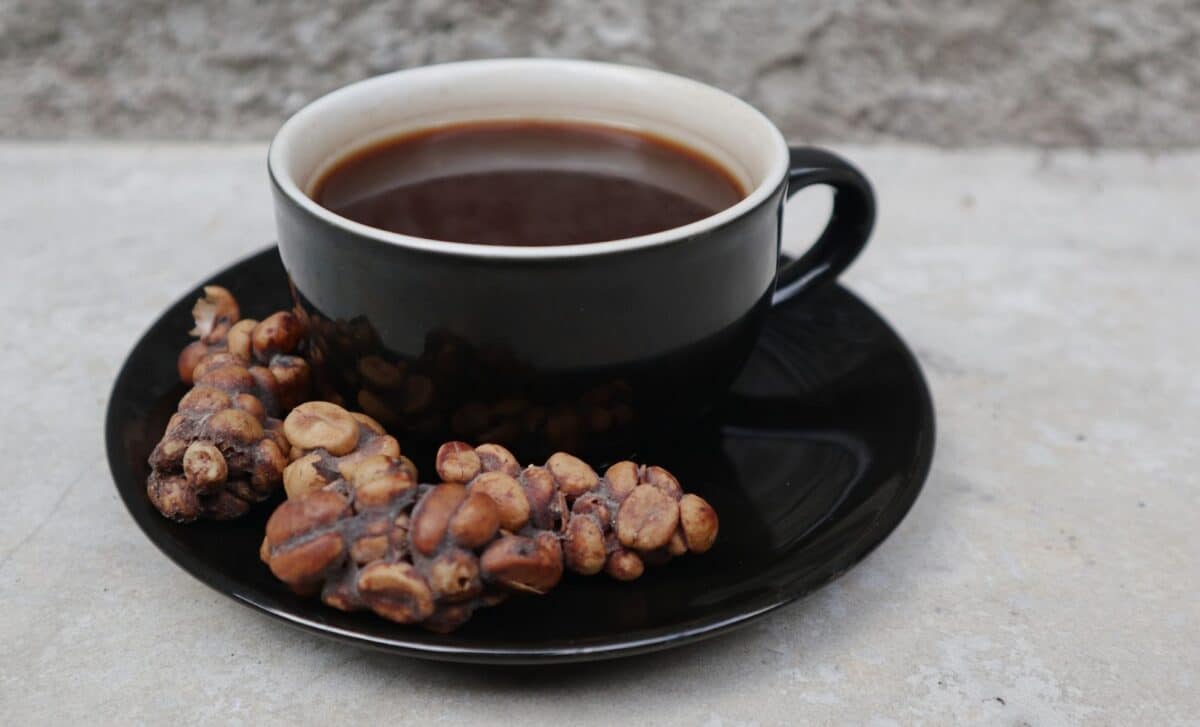
For over a century, Kopi luwak has been both admired and questioned. It’s made from coffee cherries eaten by the Asian palm civet, a small nocturnal mammal found across South and Southeast Asia. The civet digests the fruit, but not the bean, which it excretes whole. People collect the beans from the animal’s feces, wash and process them, and roast them into a coffee that can sell for up to $1,000 a kilo.
Its rarity, weird backstory, and supposed smoothness have made it a favorite among collectors and curious drinkers. But up until now, the idea that the civet’s digestive system actually changed the coffee in a meaningful way was just a guess. Researchers from India’s Central University of Kerala, writing in Scientific Reports, found that Kopi luwak does have a unique chemical profile.
A Wild Digestive System Changes Everything
One of the clearest things the researchers found was that the beans collected from civet droppings were larger and richer in fat than normal ones. That might be because civets are picky eaters in the wild, they tend to go for the ripest, best-quality cherries.
The study, led by zoologist Palatty Allesh Sinu, revealed that protein and caffeine levels were basically the same between regular beans and those digested by civets. But there were major changes in other compounds.
The Kopi luwak beans had higher levels of caprylic acid and capric acid methyl esters, which are linked to improved flavor and a creamier, milk-like smell. The team say this supports the idea that the civet’s natural digestion.
“These observations go with the hypothesis that the civet’s digestive process, comprising natural fermentation along with the enzymatic uptake, modifies the beans’ chemical composition, intensifying the flavor and adding to the distinctive sensory characteristics of civet coffee.”
Luxury At The Cost Of Animal Welfare
While the flavor might now be backed by science, the way Kopi luwak is produced today often raises red flags. What started as a natural process, collecting beans from wild animals, has turned into a commercial operation where civets are captured, caged, and force-fed coffee cherries.
As demand has grown, civets are no longer just part of the wild ecosystem. According to ScienceAlert, many are kept in tiny metal cages, fed a one-food diet, and denied any natural behavior.
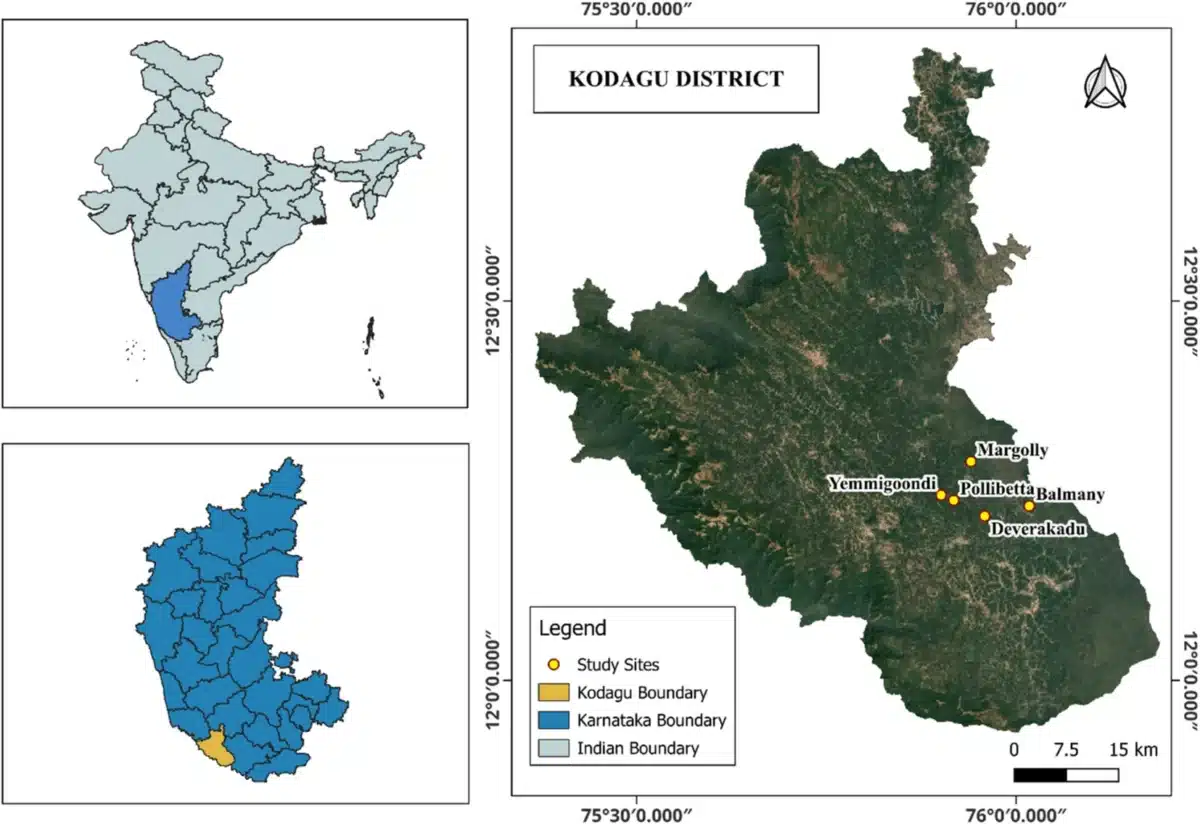
These conditions have drawn criticism from animal rights groups and responsible coffee producers, who argue that no luxury drink is worth that kind of suffering. It’s worth noting that the beans used in the Kerala study came from wild civets, not farmed ones, something that’s becoming less and less common in the industry.
The Secret Ingredient That Could Redefine Premium Coffee
Thanks to the chemical differences uncovered in the study, it might soon be possible to identify real Kopi luwak beans based on their composition. The researchers suggest this could help crack down on fakes and encourage more ethical sourcing.
By using indicators like caprylic acid levels, sellers could prove their beans were collected ethically, from wild animals and not farms. Buyers, in turn, would get more transparency and a clearer idea of what they’re actually paying for.
The team also called for more research into the molecular aroma profile of these beans, hoping it could lead to better authentication tools and less animal exploitation.
First Appeared on
Source link






