


This Ancient Insect Was Found in Amber… Then Scientists Saw Something Growing Out of Its Head
A fossilized ant and fly preserved in 99-million-year-old amber have revealed one of the oldest known examples of parasitic fungi taking over insect hosts. The fungal growths, protruding from the heads and bodies of the insects, show the same gruesome tactics used by modern “zombie-ant fungi,” suggesting that such behavior dates back to the Cretaceous period.
The discovery provides direct evidence that fungi from the Ophiocordyceps genus were already infecting and killing insects nearly 100 million years ago, altering their behavior before using their bodies to reproduce. These rare fossils were examined by researchers using microscopic and 3D imaging methods, allowing them to identify and describe two new fungal species previously unknown to science.
Fungi That Manipulate Their Hosts
The fossils were uncovered in amber deposits from northern Myanmar, a region that has yielded several exceptional specimens in recent years. The study, published in Proceedings of the Royal Society B, was led by Yuhui Zhuang, a paleontology researcher at Yunnan University.
He described the fossils as “very rare, at least among the tens of thousands of amber specimens we’ve seen, and only a few have preserved the symbiotic relationship between fungi and insects.”
Two Insects, Two Parasites
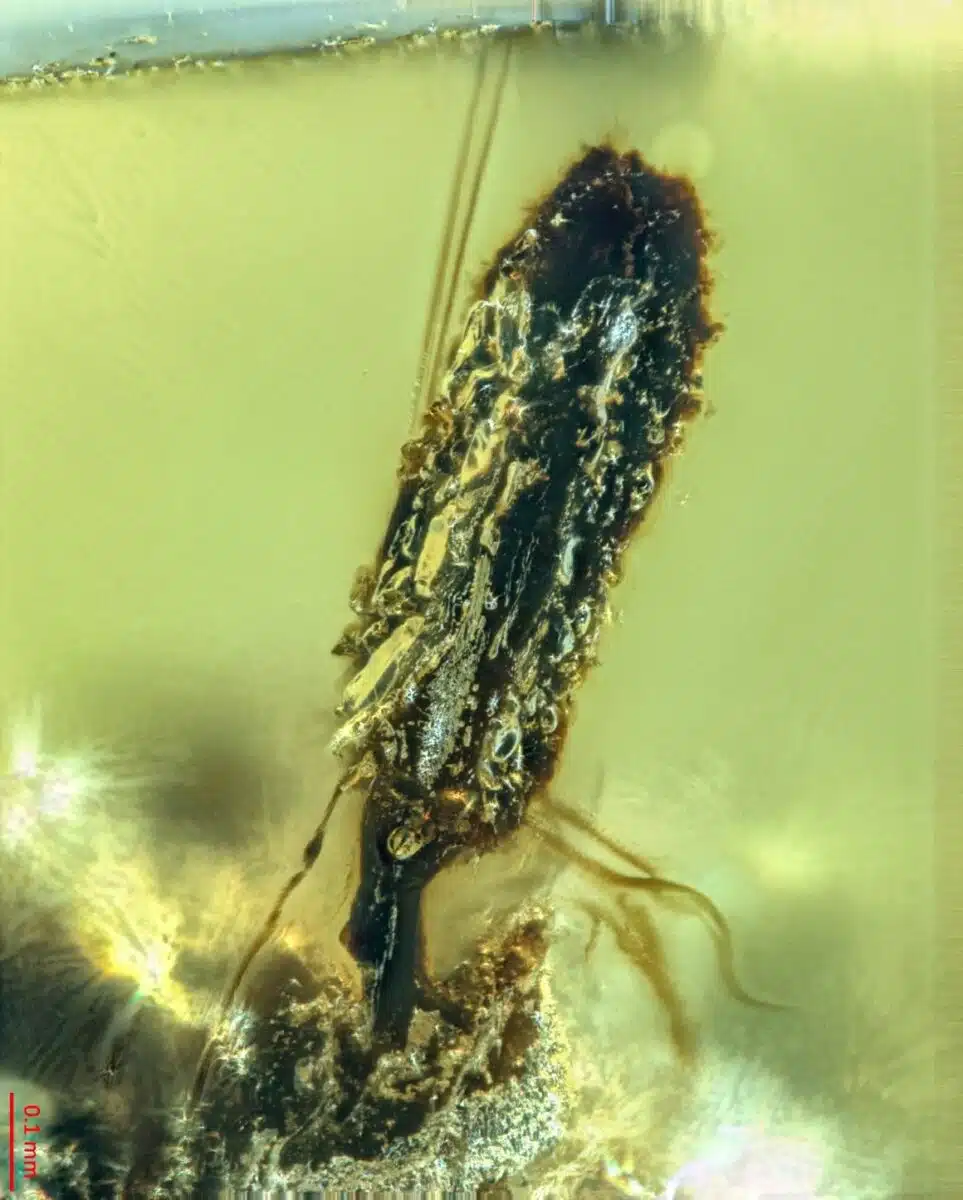
The fossilized fly and ant were each infected by a different newly identified species of fungus. In the fly, the parasite named Paleoophiocordyceps ironomyiae was seen growing out of the insect’s head. In the ant, the fungus Paleoophiocordyceps gerontoformicae showed similar patterns. These growths are the fruiting bodies of the fungus, structures used to spread spores after the insect has died.
According to Conrad Labandeira, a scientist at the Smithsonian Museum of Natural History who was not involved in the study, the ancient fungi likely infected their hosts in much the same way as their modern counterparts.
“It appears that ants, for some reason, were targeted early for zombification and currently are the major recipients of this parasitoid fungus.”
A Complex Ancient Relationship
Scientists think this type of parasitism played a big role in prehistoric ecosystems. João Araújo, one of the study’s authors, said the fossilized fungi are probably ancient relatives of today’s zombie-ant fungi. He also pointed out how rare it is to find fossils of these insect-killing fungi, which makes this find especially valuable.
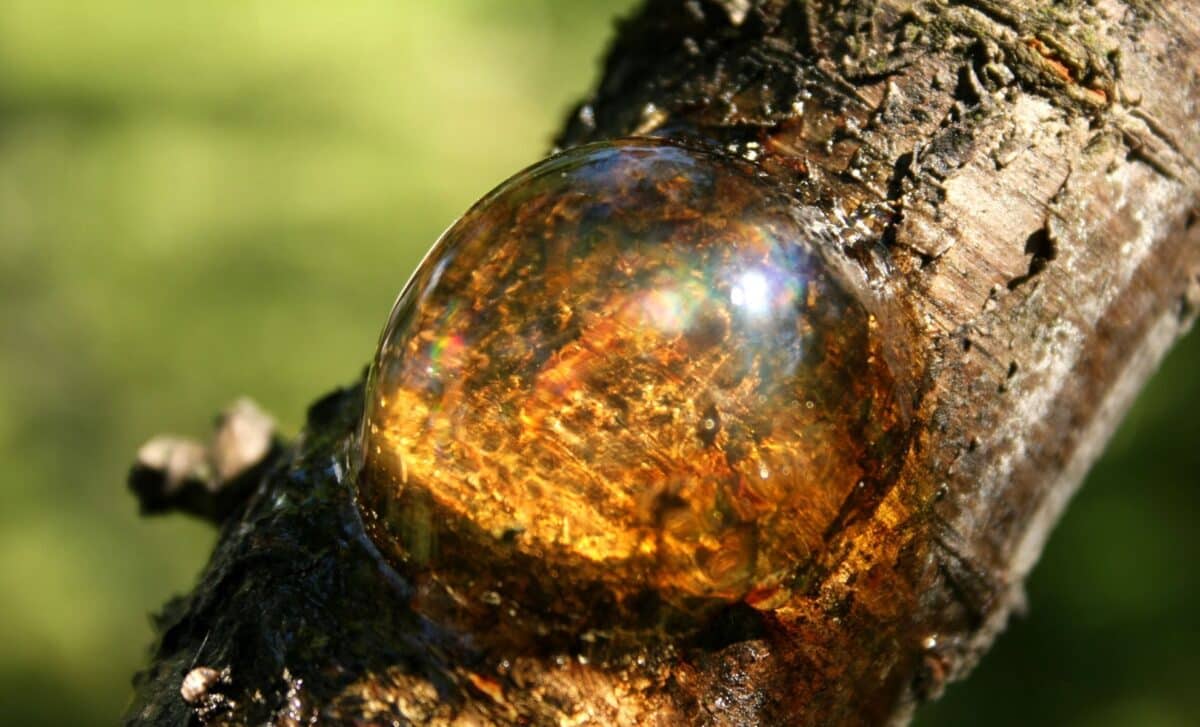
Thanks to the way the insects were preserved in amber, researchers got an unusually clear look at the moment the fungi were taking over. Zhuang’s team suggests that the insects were likely infected and killed just before getting stuck in sticky tree resin, capturing the exact moment when the fungus started growing out of their bodies.
First Appeared on
Source link






