


This Deadly Amoeba Could Destroy Your Brain, and It’s Lurking in Your Water
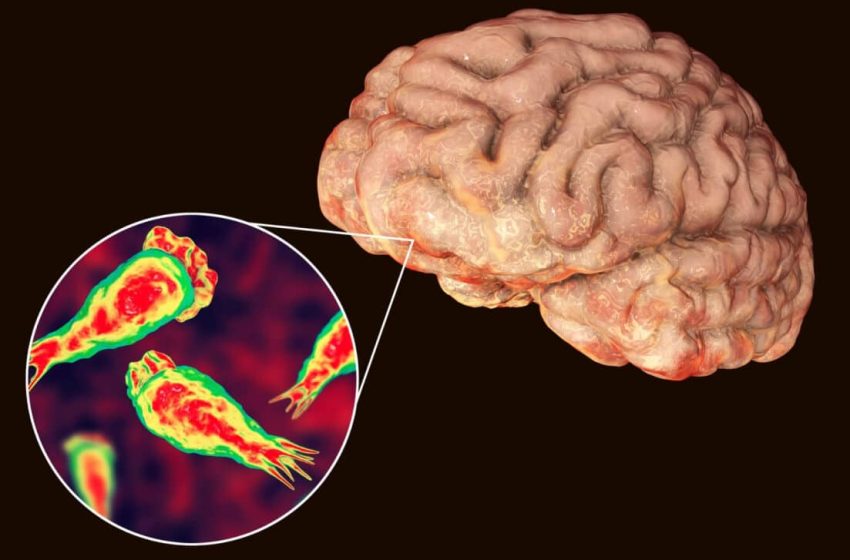
Scientists are warning of an increasing global health risk posed by free-living amoebas, particularly Naegleria fowleri, the “brain-eating amoeba.” This deadly microorganism, which thrives in warm freshwater, causes severe brain infections with a near 99% fatality rate. As temperatures rise, scientists are concerned that the conditions that favor the growth of these dangerous amoebas are expanding, leading to a greater risk of infection.
Free-living amoebas are single-celled organisms that do not require a host to live. They are commonly found in natural bodies of water, such as lakes, rivers, and hot springs. What makes them particularly dangerous is their ability to change shape and move using pseudopodia, which allows them to thrive in a variety of environments.
Although infections from these amoebas are rare, the consequences can be devastating. The infection occurs when contaminated water enters the nose, allowing the amoeba to travel to the brain, where it causes fatal damage. This threat is exacerbated by climate change and the challenges in controlling these microorganisms in water systems.
The Brain-Eating Amoeba You Need to Fear
The most notorious free-living amoeba is Naegleria fowleri, commonly referred to as the “brain-eating amoeba.” It typically resides in warm freshwater environments, with a temperature range between 30°C and 40°C, which includes lakes, rivers, and hot springs. According to experts, the infection occurs when contaminated water enters the nose, usually during recreational activities like swimming.
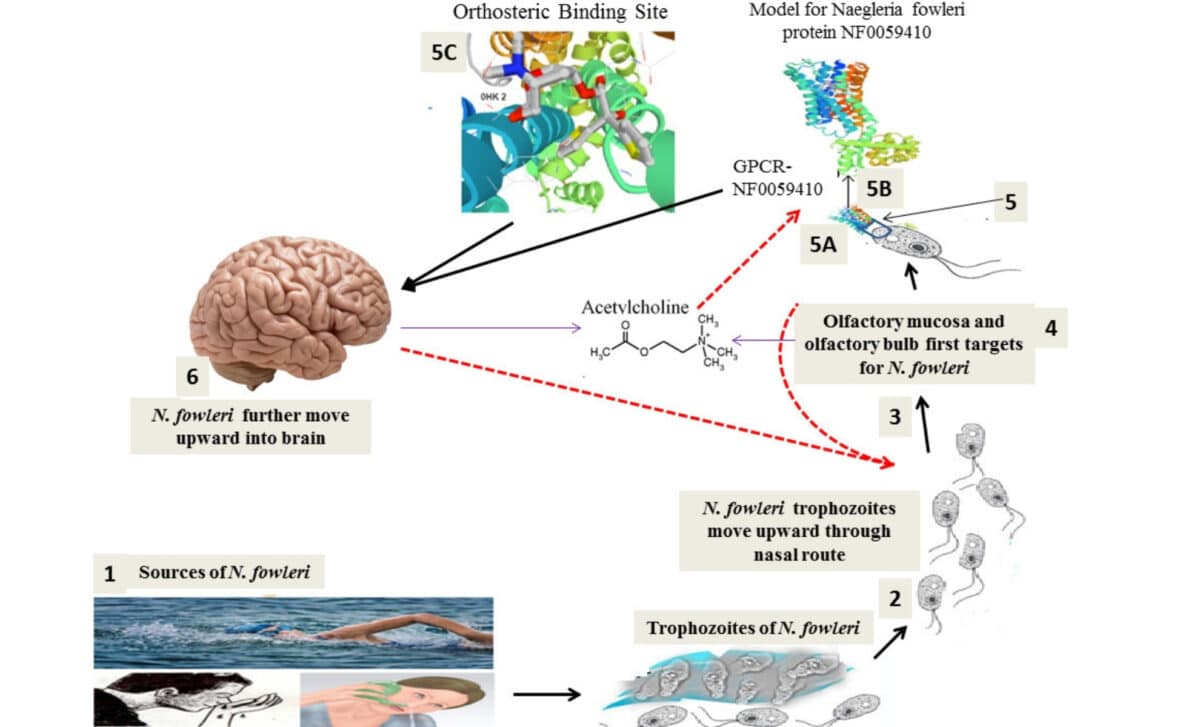
Once in the body, the amoeba travels along the nasal passages to the brain, where it destroys brain tissue. The mortality rate is alarmingly high, between 95% and 99%. In rare cases, Naegleria fowleri has been found in tap water, particularly when it is warm and inadequately chlorinated. Fortunately, drinking contaminated water does not lead to infection, and the amoeba is not transmitted from person to person.
So Hard to Stop
One of the major challenges in controlling Naegleria fowleri is its ability to form cysts, which are hard protective shells that allow it to survive in extreme conditions. These cysts help the amoeba endure warm temperatures and environments where disinfectants like chlorine struggle to eliminate it. In water systems, the amoeba can also attach to biofilms, collections of microorganisms that build up inside pipes, which makes it harder for disinfectants to reach them.
As a result, eliminating the amoeba from water systems is not always straightforward. In order to reduce the risk of infection, proper chlorination and regular maintenance of water systems are essential. However, maintaining disinfectant levels and ensuring that systems are adequately flushed is not always simple, especially in systems that are not well maintained.
Hotter, Wetter, and More Dangerous
Climate change is likely to make the threat from free-living amoebas, including Naegleria fowleri, even worse. As global temperatures rise, the range where these heat-loving organisms can thrive is expanding into regions that were previously too cool. Warmer temperatures, longer warm seasons, and more human contact with water are all contributing to an increased risk of exposure.
According to Science Alert, the warming climate is not only extending the habitats of Naegleria fowleri but also making it more difficult to control these organisms. Scientists are particularly concerned about outbreaks in recreational water areas, where warmer waters are more common. The changing climate is creating ideal conditions for the amoebas to thrive, making this an increasingly pressing issue.
Simple Steps to Stay Safe and Avoid the Danger Lurking in Water
Although the risk of encountering Naegleria fowleri remains relatively low, experts advise taking precautions to reduce the chances of infection. The infection occurs when contaminated water enters the nose, so one way to protect yourself is by avoiding putting your head underwater in lakes or rivers, especially during hot weather.
Additionally, swimmers can use nose clips to prevent water from entering the nasal passages. Naegleria fowleri is not transmitted through drinking contaminated water, so consuming water from treated sources poses no risk.
However, Naegleria fowleri infections have been linked to using contaminated water for nasal rinsing. To avoid infection, it is recommended to use only sterile, distilled, or boiled water for nasal rinsing. For contact lens users, it is important to avoid rinsing lenses with tap water, as this can lead to painful eye infections caused by the amoeba.
In addition to these individual precautions, proper water treatment is key to preventing outbreaks. While routine monitoring of water systems for free-living amoebas is not common, proper chlorination and regular flushing of water systems are essential to minimizing the risk of infection.
Experts emphasize that more widespread monitoring and better public awareness of the risks associated with Naegleria fowleri are needed to protect communities from this growing threat.
First Appeared on
Source link






