


This “Hybrid” Diet Doesn’t Just Protect Your Heart, It’s Slowing Brain Aging Too
The findings come at a critical moment. Neurodegenerative diseases like Alzheimer’s and Parkinson’s are placing an ever-growing burden on aging global populations, and effective preventive strategies remain stubbornly elusive. Diet, it turns out, may be one of the most powerful levers people can actually pull.
The MIND diet, short for Mediterranean-DASH Diet Intervention for Neurodegenerative Delay, isn’t a trendy eating plan. It’s a scientifically engineered hybrid of two of the world’s most researched dietary frameworks, fine-tuned specifically to protect the aging brain.
What the Science Actually Found
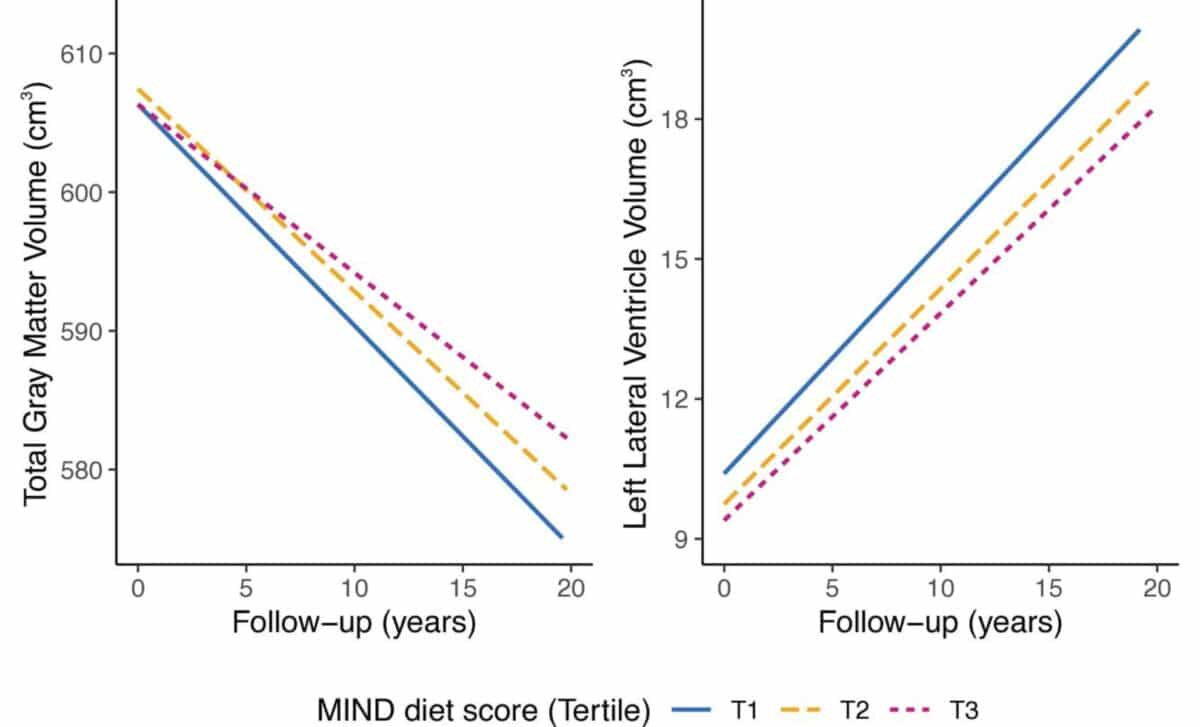
Over a median follow-up period of 12.3 years, researchers found that greater adherence to the MIND diet was linked to slower decline in total gray matter volume. Each three-unit increase in MIND diet score corresponded to a 0.279 cm³/year slower rate of gray matter loss, representing a 20.1% attenuation of age-related decline, equivalent to 2.5 years of reduced brain aging across the study period.
The implications don’t stop at gray matter. Higher MIND diet scores were also associated with slower expansion of lateral ventricular volume, a marker of brain tissue loss, reflecting roughly 8% to 8.8% attenuation of age-related changes, equivalent to approximately one year of delayed brain aging during follow-up.
The study, published in the Journal of Neurology Neurosurgery & Psychiatry and led by researchers at Zhejiang University School of Medicine in China, drew its data from the long-running Framingham Heart Study Offspring cohort. Participants were not instructed to follow any specific diet; instead, their eating habits were scored against MIND diet criteria, with those scoring higher showing progressively greater brain-health benefits.
Why Gray Matter, and What’s Eating It
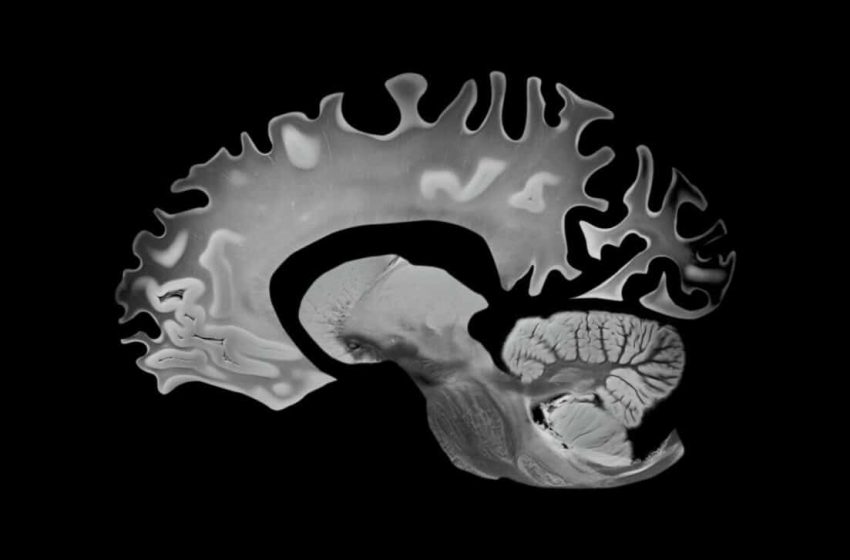
To understand why these findings matter, it helps to understand what’s at stake biologically. Gray matter, rich in neuronal cell bodies, dendrites and synapses, plays a key role in memory, learning and decision-making. Ventricular expansion, by contrast, reflects brain atrophy, tissue loss accompanied by the enlargement of cerebrospinal fluid-filled spaces.
In other words, both markers tracked in this study are well-established signals that the brain is shrinking in ways that eventually translate into cognitive decline.
According to the researchers, the mechanisms may come down to what’s on the plate. MIND-recommended foods rich in antioxidants, such as berries, and high-quality protein sources like poultry may reduce oxidative stress and mitigate neuronal damage. Conversely, fast fried foods, often high in unhealthy fats, trans fats and advanced glycation end-products, may contribute to inflammation and vascular damage.
The analysis of individual food components revealed that berries were associated with slower increases in ventricle volumes, while poultry was linked to slower ventricular expansion and slower gray matter decline. Higher intake of sweets was associated with faster ventricular expansion and hippocampal atrophy, and fast fried foods were linked to greater hippocampal volume decline.
The Surprises and the Limits
No study of this scale comes without a few curveballs. Unexpectedly, higher whole grain intake was associated with unfavorable changes across several brain imaging indicators, including faster declines in gray matter and hippocampal volumes and increased ventricular volumes, while higher cheese intake was associated with slower declines in gray matter and hippocampal volumes, and less ventricular and white matter hyperintensity volume increase. Cheese, notably, is a food the MIND diet recommends limiting.
The researchers were candid about the study’s constraints. Although imaging assessments were conducted years after dietary assessments, residual and unmeasured confounding could not be fully ruled out, and data limitations prevented adjustment for APOE genotype, a key genetic risk factor for Alzheimer’s disease. The study population was also drawn primarily from middle-aged and older adults of Caucasian ancestry, raising questions about broader generalizability.
Still, according to the research team, the directionality of the evidence is clear enough to carry real public health weight. Given the global rise in aging populations and the growing burden of neurodegenerative diseases, promoting the MIND diet as part of dietary guidelines for aging populations could be an accessible strategy to address this challenge. The call now is for larger, more diverse, long-term intervention studies to sharpen what the science is already beginning to show.
First Appeared on
Source link






