


This Land Was Left for Dead, Until Scientists Dropped These Underground Creatures on It, Now It’s Covered with 40,000 Plants
A short-lived experiment in the wake of the Mount St. Helens eruption has produced effects still visible 43 years later. By placing tiny creatures on barren volcanic ground, scientists unintentionally triggered a long-lasting recovery driven by underground life.
In May 1980, this eruption caused widespread destruction, leaving large areas covered in sterile pumice. Plant life struggled to return, and early signs of recovery were minimal, with only a handful of species managing to grow in the harsh conditions.
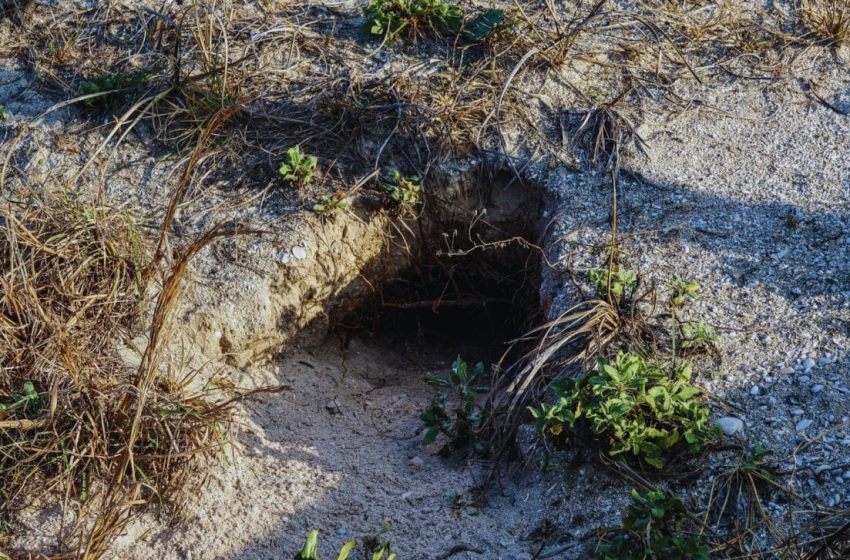
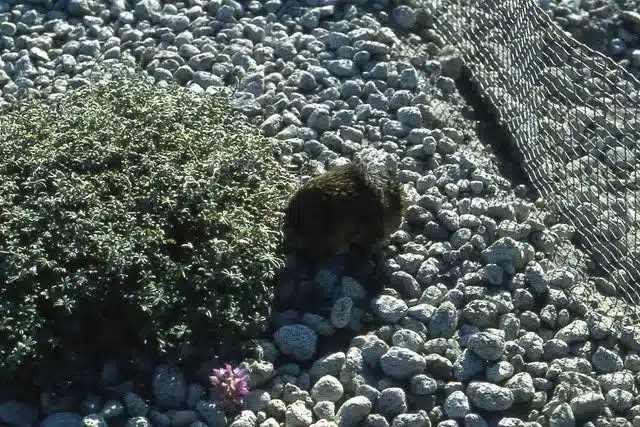
Faced with this slow regeneration, researchers tested an unusual method. In 1983, they introduced pocket gophers to specific plots, hoping their burrowing would bring buried microorganisms back to the surface.
From Almost Nothing To 40,000 Plants
At first, there wasn’t much to see. Before the experiment, only about a dozen plants had been recorded in the area. But things changed quickly. Six years later, the gopher-treated plots were filled with more than 40,000 plants.
According to the University of California report, nearby areas that didn’t get the same treatment were still mostly barren, which made the contrast hard to ignore. Michael Allen, a microbiologist involved in the work, didn’t expect what would happen next, thanks to these small creatures.
“They’re often considered pests,” he said, “but we thought they would take old soil, move it to the surface, and that would be where recovery would occur.” That alone, it turned out, was enough to restart growth on a surprising scale.
Underground Creatures Did the Real Work
What the subterranean creatures brought up wasn’t just dirt. It included bacteria and mycorrhizal fungi: tiny organisms that play a big role in helping plants survive.
According to a study published in Frontiers, these fungi connect with plant roots, helping them absorb nutrients and water in tough conditions. Without that support system, most plants wouldn’t stand a chance in volcanic soil.
Researcher Emma Aronson pointed out that these fungal networks also helped trees grow back by recycling nutrients from fallen material like needles.
“The trees came back almost immediately in some places. It didn’t all die like everyone thought,” she added.
More Than 40 Years Later, It Still Matters
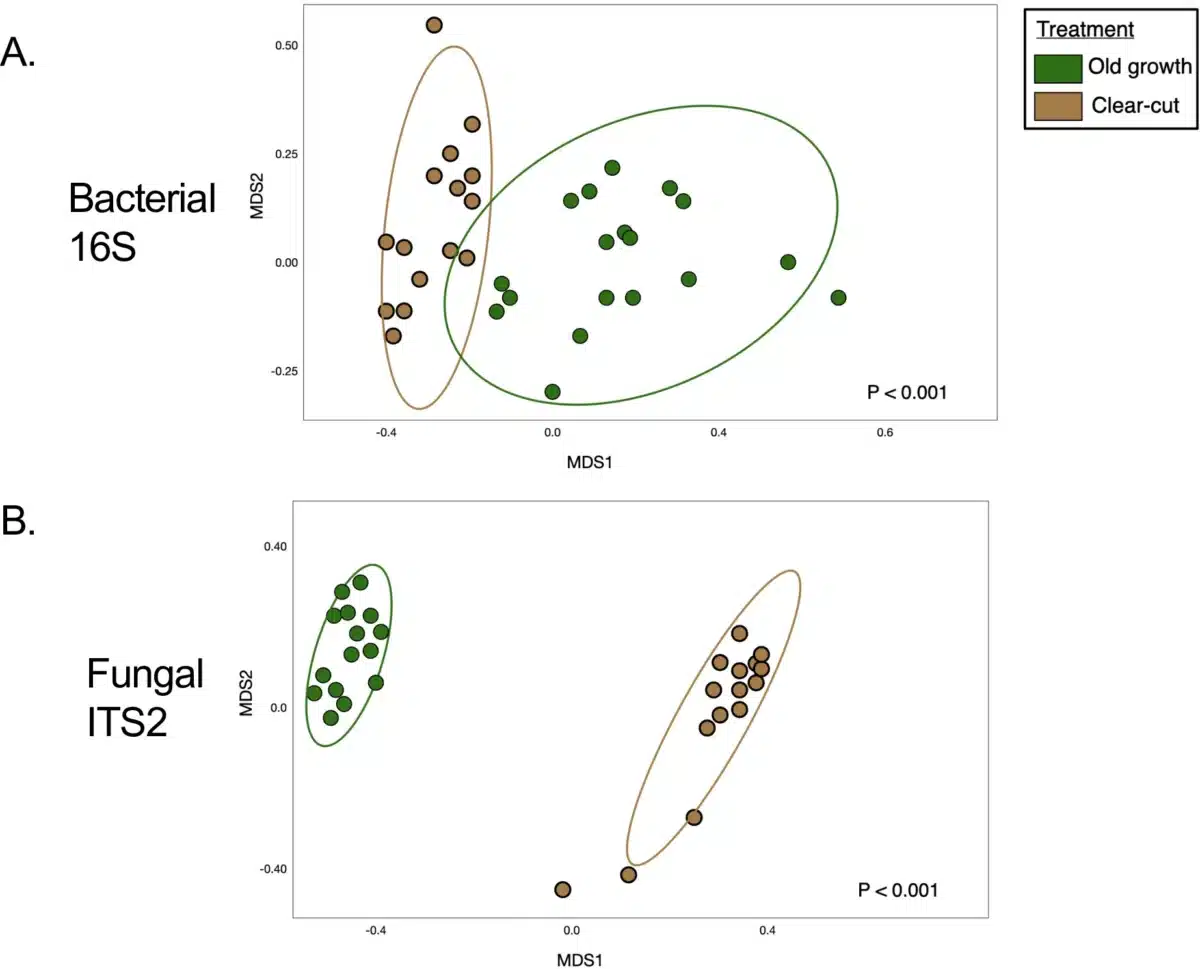
Here’s the part that really stands out: the effects didn’t fade. Decades later, those same plots are still full of life. As stated in the Frontiers study, the microbial communities established back then by the soil-dwelling creatures are still active today, continuing to support plant growth.
“There still isn’t much of anything growing in the clearcut area,” Aronson noted. “It was shocking looking at the old growth forest soil and comparing it to the dead area.”
That kind of long-term impact from such a short experiment isn’t something you see often. As Mia Maltz, who was working as a postdoctoral scholar in Aronson’s lab at UCR at the time the study started, put it:
“We cannot ignore the interdependence of all things in nature, especially the things we cannot see like microbes and fungi.”
First Appeared on
Source link






